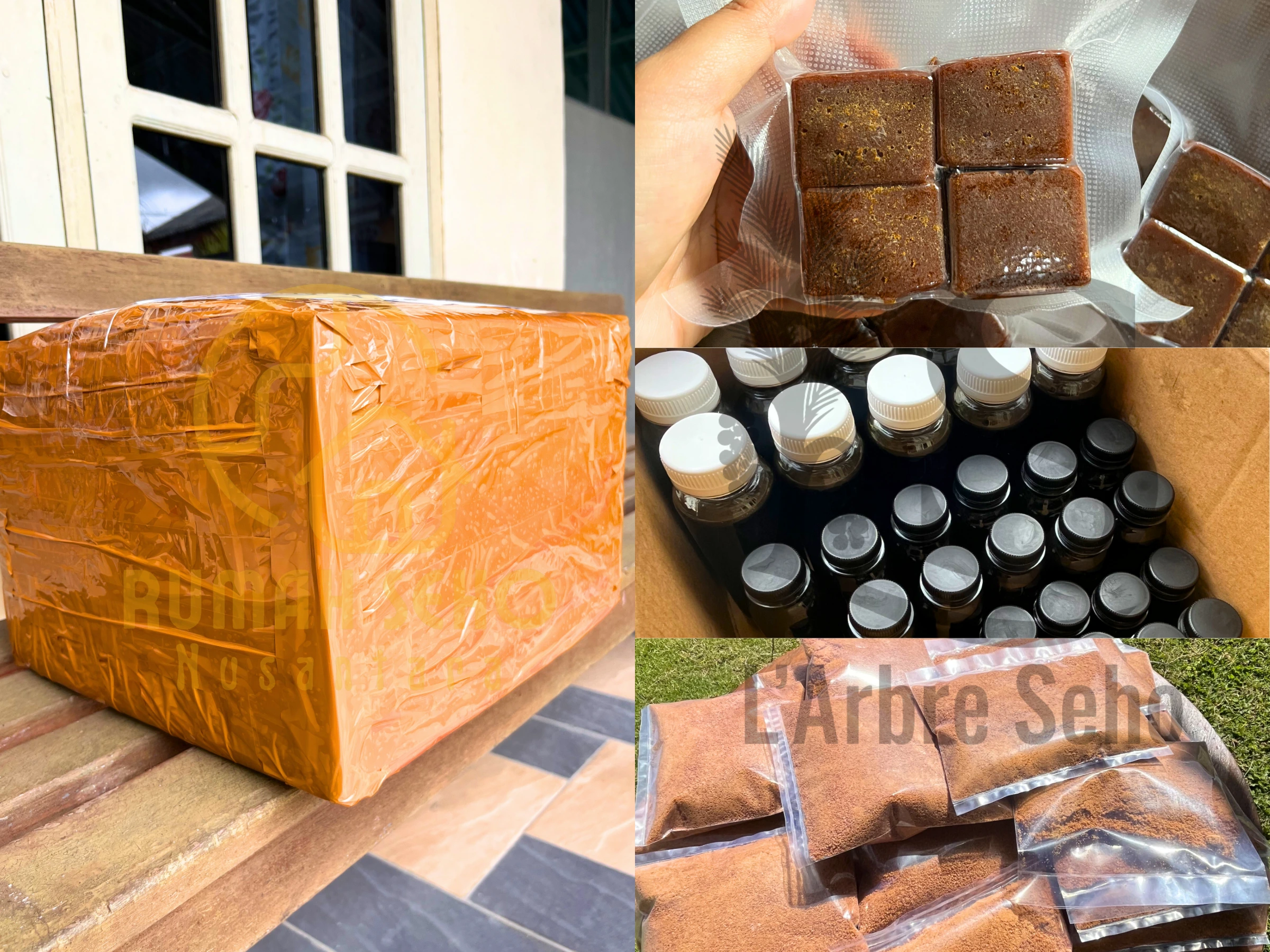
Palm Syrup Supply Chain: From Arenga Tree to Global Beverage Manufacturing
Introduction: Why the Palm Syrup Supply Chain Matters
In the global food and beverage industry, ingredient sourcing involves far more than simply purchasing raw materials. Manufacturers must understand how ingredients are produced, processed, and delivered before they reach industrial production facilities.
This is particularly true for palm syrup.
The palm syrup supply chain begins with the harvesting of Arenga palm sap and continues through processing, quality control, and international distribution. Each stage of this chain plays a critical role in determining whether the final ingredient will perform reliably in beverage and food manufacturing.
For industrial buyers, supply chain transparency is essential. Without clear visibility into how palm syrup is produced and handled, manufacturers may face risks such as inconsistent sweetness, fermentation during shipping, or formulation instability.
Therefore, understanding the full palm syrup supply chain helps manufacturers make informed sourcing decisions while protecting product quality and brand reputation.
Technical Mastery Palm Syrup for Stable Beverage Manufacturing
Stage 1: Arenga Tree Cultivation and Sap Harvesting
The first stage of the palm syrup supply chain begins with the Arenga palm tree.
Arenga palms grow naturally in tropical regions, particularly in Southeast Asia. Indonesia is widely recognized as one of the largest natural habitats for these trees.
Unlike plantation crops that require extensive cultivation, many Arenga palms grow in forest ecosystems or smallholder agricultural systems.
Farmers harvest sap from the flower stalks of mature trees. This sap contains natural sugars, minerals, and organic compounds that later form the base of palm syrup.

Harvesting must be performed carefully.
If sap is exposed to contaminants or left unprocessed for extended periods, natural fermentation may begin. For this reason, experienced harvesters collect sap using clean containers and transport it quickly to processing facilities.
Proper harvesting practices represent the foundation of a reliable palm syrup supply chain.
Why Industrial Buyers Prefer Bulk Palm Syrup from Indonesia
Stage 2: Sap Handling and Initial Filtration
Once collected, palm sap enters the next stage of the supply chain.
Fresh sap is highly sensitive to environmental conditions. Because it contains natural sugars, microorganisms may begin fermenting the sap if processing is delayed.
To prevent this issue, producers perform filtration soon after collection.
Filtration removes impurities such as plant particles or debris that may have entered the sap during harvesting. At the same time, rapid handling reduces the opportunity for microbial activity to develop.
Reliable palm syrup manufacturers prioritize speed and hygiene during this stage.
Proper sap handling ensures that the palm syrup supply chain continues without introducing quality risks that could affect the final product.
Why Palm Syrup Develops Mold or Ferments During Long-Distance Shipping
Stage 3: Controlled Evaporation and Syrup Production
After filtration, palm sap undergoes evaporation to concentrate the natural sugars.
This process transforms the liquid sap into palm syrup.
Evaporation must occur under controlled temperature conditions. Excessive heat may damage flavor characteristics, while insufficient heating may leave microorganisms active within the syrup.
Reliable producers therefore use carefully monitored heating systems.
During evaporation, water content decreases while sugar concentration increases. This step determines the final sweetness intensity and viscosity of the syrup.
Because evaporation parameters influence both flavor and stability, precise control is essential for producing export-quality palm syrup.
Consequently, this stage represents one of the most technically sensitive parts of the palm syrup supply chain.
Technical Mastery Palm Syrup for Stable Beverage Manufacturing
Stage 4: Quality Control and Specification Management
Industrial buyers require ingredients that meet measurable specifications.
Therefore, the next stage in the palm syrup supply chain focuses on quality control.
Manufacturers analyze several parameters to ensure product consistency. These parameters often include moisture levels, mineral composition, and viscosity stability.
Moisture control is particularly important. Excess moisture can dilute sweetness and increase the risk of fermentation during shipping.
Mineral composition must also remain within defined ranges. Variations in mineral balance may influence taste perception and product performance in beverage formulations.
Through specification monitoring, producers ensure that palm syrup remains consistent across production batches.
This consistency protects industrial manufacturers from formulation instability.
Why Global Beverage Brands Are Switching to Palm Syrup
Stage 5: Hygienic Processing and Contamination Prevention
Even when syrup meets specification standards, hygienic processing remains critical.
Palm syrup must be protected from contamination during final processing and packaging.
Reliable manufacturers implement sanitation procedures across all equipment and processing environments.
These procedures reduce the risk of microbial contamination that could lead to spoilage.
Without proper hygiene, palm syrup may develop fermentation or off-flavors during storage and shipping.
Consequently, hygienic production represents another essential component of the palm syrup supply chain.
Specification-Driven Palm Syrup for Industrial Food Manufacturing
Stage 6: Packaging for Global Export
Palm syrup often travels thousands of kilometers before reaching industrial manufacturers.
Because of this distance, packaging must protect the product during transportation.
Export-oriented suppliers use food-grade containers designed to prevent contamination and maintain product stability.
Additionally, packaging systems must withstand temperature fluctuations during ocean freight.
Reliable suppliers also prepare shipping documentation and quality certificates to support international trade compliance.
Through careful packaging and export preparation, the palm syrup supply chain ensures that the ingredient arrives safely at manufacturing facilities worldwide.
Bulk Palm Syrup for High-Volume Food and Beverage Production
Stage 7: Integration into Global Beverage Manufacturing
The final stage of the palm syrup supply chain occurs when the ingredient enters industrial production.
Food and beverage manufacturers integrate palm syrup into various formulations, including beverages, desserts, bakery products, and sauces.
In beverage manufacturing, palm syrup contributes both sweetness and flavor complexity. Its caramel-like profile pairs well with tea, coffee, chocolate, and plant-based beverage bases.
However, production stability depends on consistent ingredient performance.
If syrup specifications vary between shipments, manufacturers may face formulation adjustments or production delays.
Therefore, industrial buyers prioritize suppliers who maintain strict quality control throughout the supply chain.
Reliable suppliers ensure that palm syrup performs consistently within global beverage manufacturing systems.
Why Supply Chain Transparency Matters for Industrial Buyers
Industrial food companies face significant risks when ingredient supply chains lack transparency.
Uncontrolled production practices may result in inconsistent sweetness levels, fermentation during shipping, or unstable viscosity.
These problems can disrupt manufacturing operations and damage product quality.
Consequently, beverage and food manufacturers increasingly evaluate suppliers based on supply chain transparency rather than price alone.
A reliable palm syrup supply chain provides visibility from raw material harvesting through final export delivery.
This transparency allows manufacturers to verify ingredient quality and reduce operational risks.
How to Identify a Master-Level Palm Syrup Manufacturer
PT Rumah Seho Nusantara: Supporting a Reliable Palm Syrup Supply Chain
At PT Rumah Seho Nusantara, we manage every stage of the palm syrup supply chain with careful attention to quality and consistency.
As a palm (Arenga) syrup manufacturer and supplier from Indonesia, our operations combine traditional sap harvesting expertise with modern processing technology.
Our production systems follow controlled specifications designed for industrial food and beverage manufacturing.
Our palm syrup parameters include:
Moisture: Max 25%
Fat Content: Max 2.5%
Ash Content: 1.10 – 1.15%
These specifications help ensure stable sweetness concentration, balanced mineral composition, and predictable viscosity behavior.
In addition, our hygienic production systems reduce fermentation risk during storage and shipping.
Through disciplined supply chain management, we provide palm syrup suitable for beverage manufacturers, bakery producers, and industrial food processors worldwide.
Why Consistency Palm Syrup Protects Your Brand
Contact Us
To learn more about our palm (Arenga) syrup and industrial supply capabilities:
🌐 Website: www.palmlarbreseho.com
📞 Phone / WhatsApp: +62 896 9888 2428
Our team is ready to support global manufacturers seeking a reliable palm syrup supply chain.