Palm Syrup vs Coconut Sugar: What Industrial Buyers Must Know
Introduction: Why Industrial Buyers Compare Palm Syrup vs Coconut Sugar
Selecting the right sweetener is a strategic decision for industrial food and beverage manufacturers. Sweeteners influence not only taste but also formulation stability, production efficiency, and supply chain reliability.
For companies seeking natural alternatives to refined sugar, two options often emerge in sourcing discussions: palm syrup and coconut sugar.
Although these ingredients appear similar at first glance, they behave differently in industrial manufacturing environments.
Understanding the differences between palm syrup vs coconut sugar is therefore essential for manufacturers who want to maintain product consistency and operational stability.
While both sweeteners originate from palm-based sources, their processing methods, physical characteristics, and formulation performance vary significantly.
Industrial buyers must evaluate these differences carefully before selecting the ingredient that best supports their production needs.
Why Palm Syrup Is Better Than Other Palm-Based Liquid Sweeteners
Raw Material Origins: Arenga Palm vs Coconut Palm
One of the first distinctions between palm syrup vs coconut sugar lies in their botanical origin.
Palm syrup is typically derived from the sap of the Arenga palm tree. This tree grows widely across Southeast Asia, particularly in Indonesia. Arenga palms produce sap that contains natural sugars, minerals, and organic compounds suitable for syrup production.
Coconut sugar, on the other hand, comes from the sap of the coconut palm flower. The sap is heated until crystallization occurs, producing granulated sugar.
Because both ingredients originate from palm sap, they share certain nutritional characteristics. However, the final product format differs significantly.
Palm syrup remains in liquid form, whereas coconut sugar becomes a solid crystalline sweetener.
This difference influences how each ingredient behaves during food manufacturing.
Physical Form and Industrial Processing
Another major difference in the comparison of palm syrup vs coconut sugar relates to physical form.
Palm syrup is a liquid sweetener. Consequently, it integrates easily into beverage formulations, sauces, and dessert bases.
Coconut sugar, by contrast, exists in solid crystalline form. Manufacturers must dissolve it during processing before it can blend into liquid formulations.
This additional step may increase production complexity in beverage manufacturing.
Furthermore, incomplete dissolution can sometimes create texture inconsistencies or sedimentation issues.
Because of this factor, many beverage producers prefer liquid sweeteners such as palm syrup for certain applications.
However, coconut sugar may remain useful in dry ingredient formulations, such as bakery mixes or powdered products.
Sweetness Profile and Flavor Characteristics
Flavor characteristics also differ between palm syrup vs coconut sugar.
Palm syrup typically offers a smooth caramel-like sweetness with subtle flavor complexity. This profile complements beverages such as tea, coffee, and plant-based drinks.
Coconut sugar also provides caramel notes, although its sweetness intensity may vary depending on processing methods.
Because coconut sugar undergoes crystallization, its flavor may sometimes appear slightly stronger or more concentrated in certain applications.
In beverage production, liquid palm syrup often provides more uniform sweetness distribution throughout the product.
For manufacturers developing flavor-sensitive beverages, these differences can influence ingredient selection.
Formulation Stability in Beverage Manufacturing
Formulation stability represents a major concern for industrial beverage producers.
When comparing palm syrup vs coconut sugar, liquid palm syrup often integrates more smoothly into beverage systems.
Its liquid form allows consistent blending with water-based formulations. As a result, beverage manufacturers can achieve predictable sweetness distribution.
Coconut sugar requires dissolution before blending. In certain cases, incomplete dissolution may create uneven sweetness or visible particles.
These issues may complicate large-scale beverage manufacturing.
Therefore, companies producing ready-to-drink beverages frequently evaluate liquid sweeteners carefully when choosing between palm syrup and coconut sugar.
Supply Chain and Production Scalability
Industrial buyers must also evaluate supply chain reliability when comparing palm syrup vs coconut sugar.
Ingredient shortages or inconsistent supply can disrupt production schedules and lead to financial losses.
Indonesia plays a major role in the global production of palm syrup derived from Arenga palms. The country’s natural ecosystem supports extensive palm tree populations.
This abundance allows manufacturers to maintain consistent sap harvesting throughout the year.
Coconut sugar production also occurs widely across Southeast Asia. However, production volume may vary depending on regional agricultural conditions.
Industrial buyers often assess supplier networks and supply chain transparency before committing to long-term sourcing agreements.
Reliable suppliers ensure that ingredient supply remains stable even as manufacturing demand grows.
Fermentation Risk and Processing Stability
Another important consideration in the palm syrup vs coconut sugar comparison involves fermentation risk.
Palm sap contains natural sugars that may ferment if processing conditions are not controlled carefully.
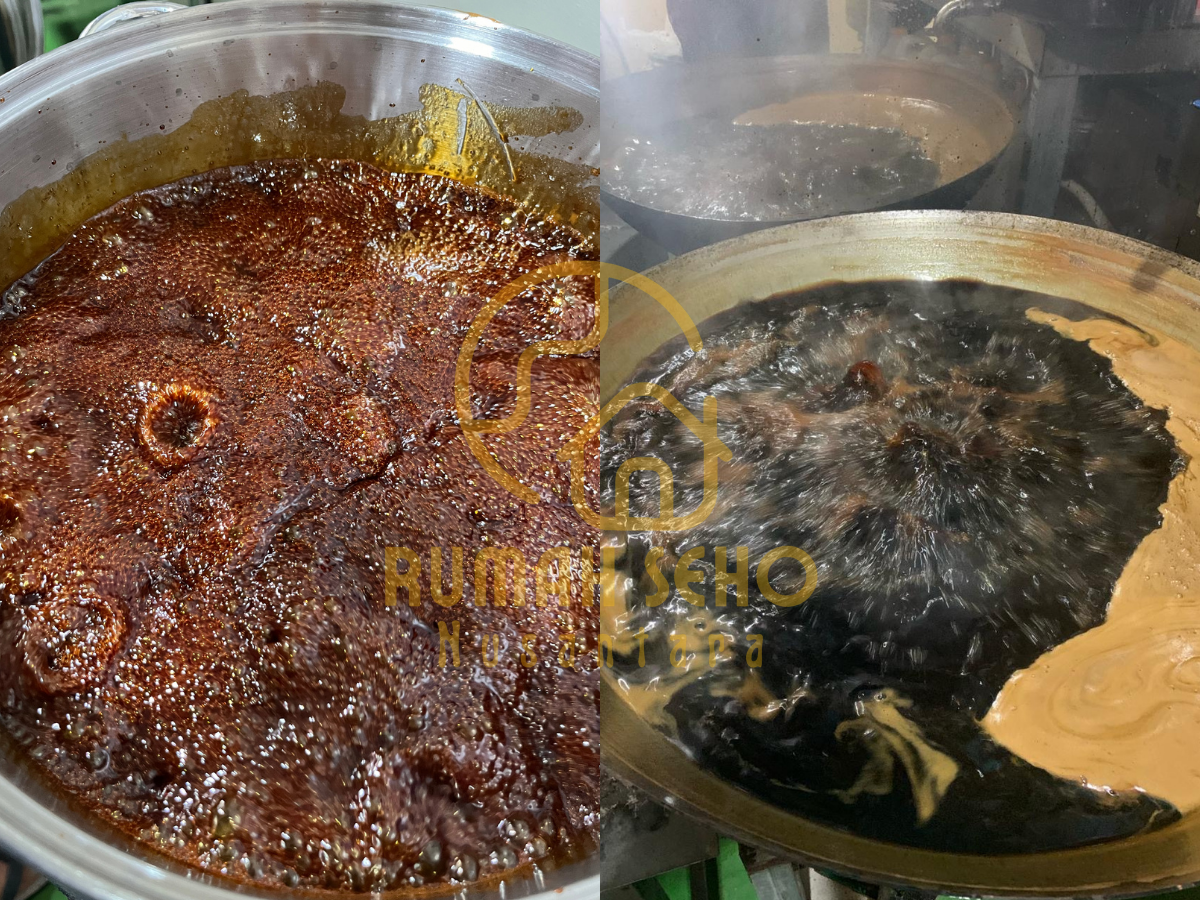
Reliable palm syrup manufacturers prevent fermentation by applying controlled evaporation, hygienic production practices, and moisture management.
When these systems are properly implemented, palm syrup remains stable during storage and international shipping.
Coconut sugar, because it is crystallized, generally presents lower fermentation risk in storage.
However, improper storage conditions can still introduce moisture that may affect product quality.
Industrial buyers therefore evaluate supplier quality standards to ensure consistent ingredient stability.
Industrial Applications: Where Each Sweetener Performs Best
Both palm syrup and coconut sugar can support various food applications. However, their performance differs depending on the formulation.
Palm syrup works particularly well in liquid formulations, including beverages, syrups, dessert sauces, and marinades.
Its viscosity also contributes to smooth mouthfeel in beverage systems.
Coconut sugar performs effectively in dry ingredient formulations such as bakery mixes, confectionery products, and granulated sweetener blends.
When choosing between palm syrup vs coconut sugar, manufacturers must consider the physical format that best suits their production environment.
Why Quality Control Matters for Both Ingredients
Regardless of the sweetener selected, production quality remains a critical factor.
Low-quality sweeteners may introduce formulation instability, inconsistent sweetness levels, or microbial contamination.
For industrial buyers, these risks can disrupt production and damage brand reputation.
Therefore, manufacturers increasingly prioritize suppliers who maintain specification-driven production systems.
Quality control ensures that ingredients behave consistently across batches and shipments.
In the comparison of palm syrup vs coconut sugar, reliable suppliers play a crucial role in delivering stable ingredients suitable for industrial manufacturing.
PT Rumah Seho Nusantara: Supplying Palm (Arenga) Syrup for Industrial Manufacturing
At PT Rumah Seho Nusantara, we specialize in producing palm (Arenga) syrup designed for industrial food and beverage manufacturing.
Our production systems combine traditional palm sap harvesting expertise with modern processing technology.
This approach allows us to maintain consistent ingredient quality while preserving the natural characteristics of palm syrup.
We operate with controlled specifications that support both formulation stability and export reliability.
Our palm syrup parameters include:
Moisture: Max 25%
Fat Content: Max 2.5%
Ash Content: 1.10 – 1.15%
These specifications help maintain stable sweetness concentration, balanced mineral composition, and predictable viscosity behavior.
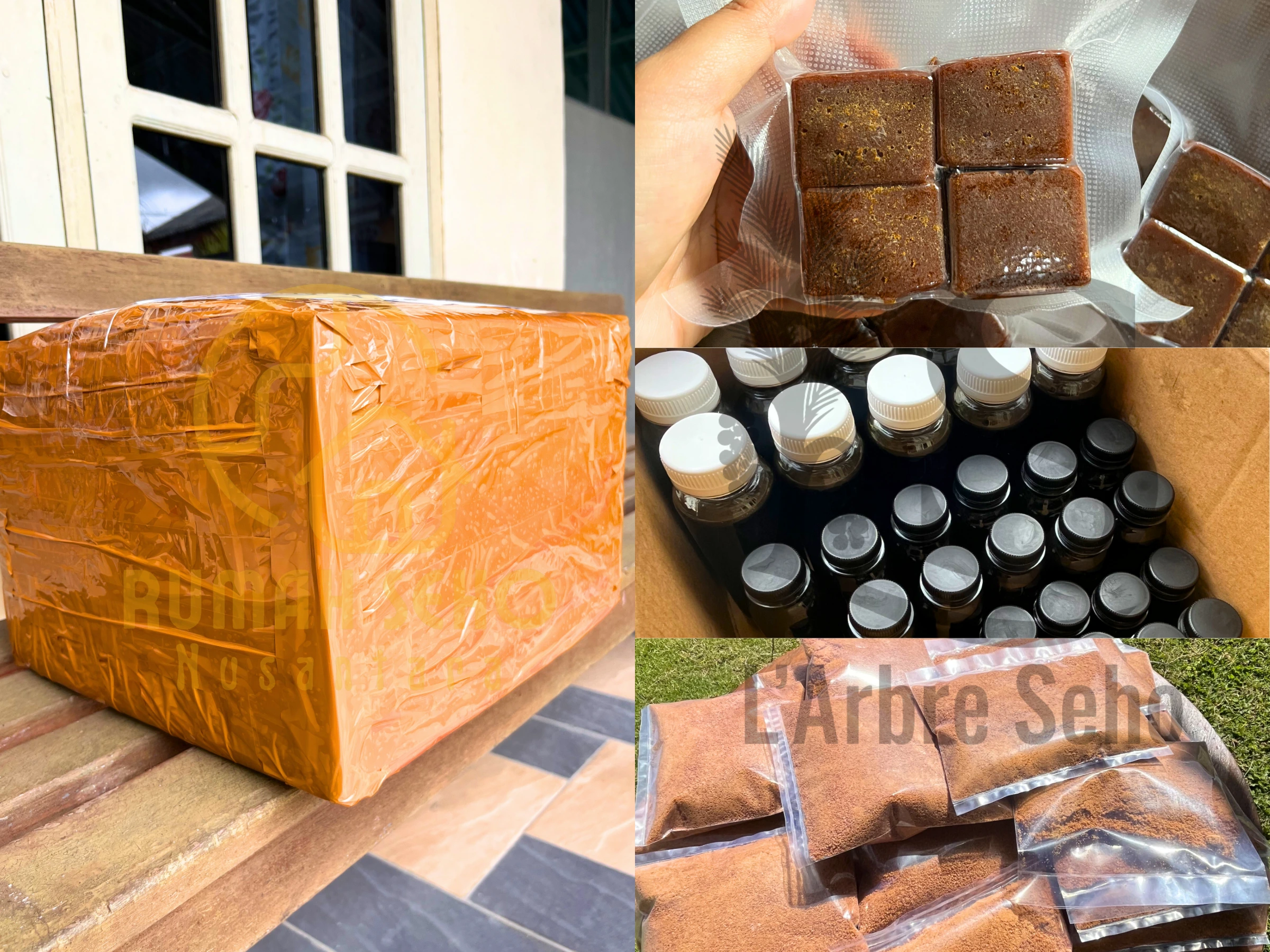
Through hygienic processing and disciplined quality control, we supply palm syrup suitable for beverage manufacturers, bakery producers, and industrial food processors worldwide.
Contact Us
To learn more about our palm (Arenga) syrup and bulk supply capabilities:
🌐 Website: www.palmlarbreseho.com
📞 Phone / WhatsApp: +62 896 9888 2428
Our team is ready to support global buyers seeking reliable palm syrup supply for industrial manufacturing.