The Hidden Risks of Low-Quality Palm Syrup in Beverage Manufacturing
Introduction: Why Low-Quality Palm Syrup Risks Matter in Beverage Production
In beverage manufacturing, ingredient quality directly influences product performance. Even minor variations in sweeteners can affect flavor balance, formulation stability, and overall production efficiency.
Palm syrup has become an increasingly attractive ingredient for beverage manufacturers. Its natural sweetness and distinctive caramel-like flavor complement many beverage categories, including tea, coffee, and plant-based drinks.
However, sourcing palm syrup without strict quality control can introduce significant risks.
The low-quality palm syrup risks extend far beyond flavor inconsistency. In industrial manufacturing environments, poor-quality syrup may cause fermentation during shipping, unstable formulations, and unpredictable sweetness levels.
For global beverage brands, these issues can lead to production delays, financial losses, and even damage to brand reputation.
Therefore, understanding these hidden risks is essential for industrial buyers seeking reliable palm syrup supply.
Fermentation During Shipping: A Major Industry Concern
One of the most serious low-quality palm syrup risks involves fermentation during shipping.
Palm syrup originates from palm sap, which naturally contains sugars that may ferment if moisture levels remain too high or microbial contamination occurs.
If syrup begins fermenting inside shipping containers, gas formation and off-flavors may develop.
In severe cases, the entire shipment may become unusable.
For beverage manufacturers operating tight production schedules, such incidents can create costly delays.
Reliable suppliers prevent fermentation through controlled evaporation processes that reduce water activity. Hygienic production environments also minimize microbial contamination.
Without these controls, fermentation risk increases significantly during long-distance transportation.
Inconsistent Sweetness and Formulation Instability
Another critical issue related to low-quality palm syrup risks involves inconsistent sweetness concentration.
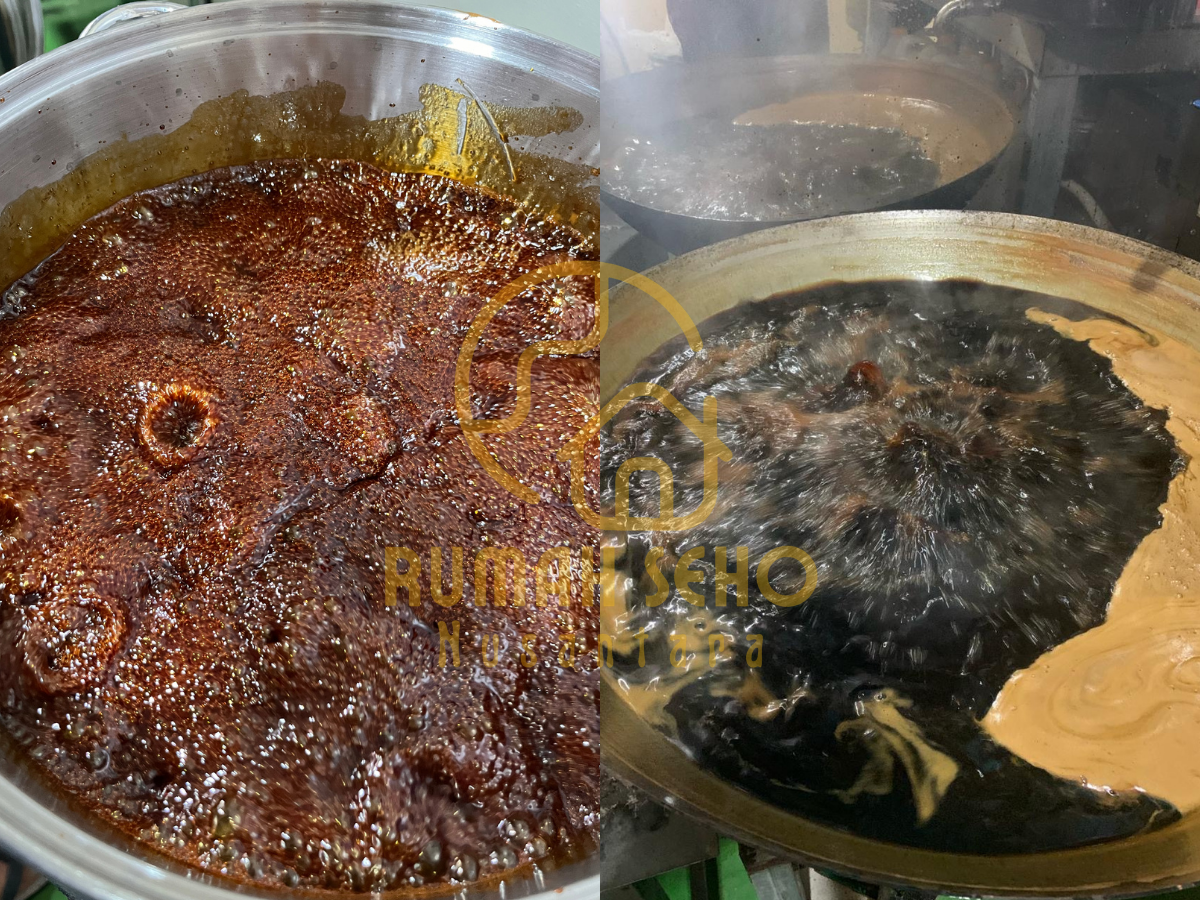
During palm syrup production, evaporation processes concentrate natural sugars from palm sap. If these processes are not controlled carefully, sweetness levels may vary between batches.
For beverage manufacturers, sweetness consistency is essential.
Even small variations can alter the flavor profile of a beverage product.
When sweetness fluctuates, production teams must recalibrate formulations or adjust ingredient ratios.
These adjustments increase production complexity and reduce operational efficiency.
Therefore, reliable palm syrup suppliers maintain controlled evaporation parameters to ensure stable sweetness across batches.
Viscosity Variations and Mixing Challenges
Palm syrup viscosity influences how the ingredient behaves during beverage production.
If viscosity varies significantly between shipments, mixing performance may change as well.
Low-quality syrup may appear thinner or thicker than expected due to inconsistent concentration levels.
For beverage manufacturers using automated mixing systems, such variations can disrupt production processes.
For example, syrup that flows too slowly may require additional mixing time. Conversely, overly diluted syrup may alter the texture of the final beverage.
These issues represent another example of low-quality palm syrup risks affecting industrial manufacturing stability.
Reliable suppliers maintain consistent viscosity through controlled production systems.
Hidden Dilution and Reduced Ingredient Efficiency
Hidden dilution represents a less visible but equally important risk in palm syrup sourcing.
Some low-quality suppliers may produce syrup with higher moisture levels than expected.
Although the product may appear visually acceptable, diluted syrup contains lower sugar concentration.
For beverage manufacturers, this situation creates several problems.
First, additional syrup may be required to achieve the desired sweetness level. This increases ingredient consumption and production costs.
Second, diluted syrup may alter flavor balance within the beverage formulation.
Therefore, low-quality palm syrup risks can reduce ingredient efficiency and increase operational expenses.
Reliable suppliers address this issue by maintaining strict moisture specifications.
Supply Chain Instability and Production Delays
Ingredient reliability depends not only on product quality but also on supply chain stability.
Unreliable suppliers may struggle to deliver consistent shipment volumes or maintain predictable delivery schedules.
For beverage manufacturers, production planning depends on stable ingredient supply.
Unexpected delays in palm syrup shipments may force production lines to pause or reschedule manufacturing runs.
Such disruptions can increase operational costs and affect product availability in the market.
Consequently, supply chain instability represents another dimension of low-quality palm syrup risks.
Industrial buyers therefore evaluate supplier reliability carefully before establishing long-term sourcing agreements.
Brand Reputation Risks in Consumer Markets
Product consistency is essential for maintaining brand reputation.
Consumers expect beverages to taste the same every time they purchase them.
If ingredient quality fluctuates, flavor consistency may change.
Inconsistent product experience can weaken consumer trust in a brand.
For global beverage companies, this risk extends beyond immediate production challenges.
Brand reputation is one of the most valuable assets in the food and beverage industry.
Therefore, avoiding low-quality palm syrup risks helps protect long-term brand credibility.
Reliable suppliers play an important role in maintaining this stability.
Why Industrial Buyers Prioritize Reliable Suppliers
Given the risks associated with inconsistent ingredients, many industrial buyers prioritize supplier reliability over price alone.
Reliable palm syrup suppliers demonstrate technical expertise, transparent specifications, and disciplined production systems.
They also understand how palm syrup behaves in beverage manufacturing environments.
Such suppliers can provide technical insights that help manufacturers optimize formulations and production processes.
Consequently, working with knowledgeable suppliers reduces operational risks and improves production stability.
Understanding these advantages helps explain why industrial buyers carefully evaluate palm syrup suppliers before committing to long-term partnerships.
Reliable Bulk Palm Syrup Supplier for Global Food Production
PT Rumah Seho Nusantara: Addressing Palm Syrup Quality Risks
At PT Rumah Seho Nusantara, we understand the concerns industrial buyers face when sourcing palm syrup.
As a palm (Arenga) syrup manufacturer and supplier from Indonesia, our production systems are designed to minimize the risks associated with inconsistent ingredients.
We maintain controlled specifications that ensure reliable product performance.
Our palm syrup parameters include:
Moisture: Max 25%
Fat Content: Max 2.5%
Ash Content: 1.10 – 1.15%
These parameters help maintain stable sweetness concentration, balanced mineral composition, and predictable viscosity behavior.
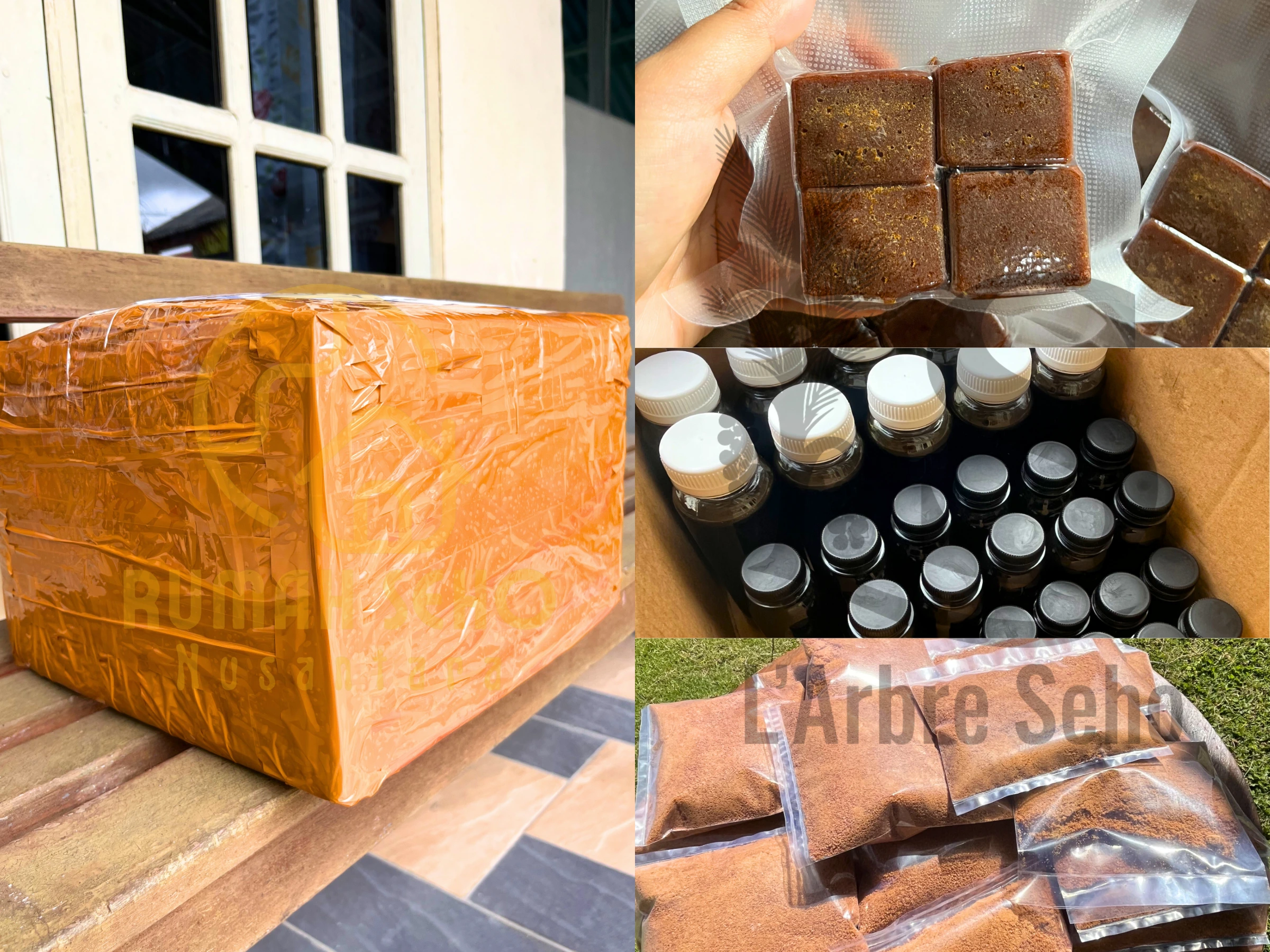
In addition, our hygienic production processes reduce fermentation risk during storage and international shipping.
Through disciplined quality control and transparent specifications, we supply palm syrup suitable for beverage manufacturers, bakery producers, and industrial food processors worldwide.
Our goal is to support partners who require reliable ingredients for consistent large-scale production.
Contact Us
For more information about our palm (Arenga) syrup and industrial supply capabilities:
🌐 Website: www.palmlarbreseho.com
📞 Phone / WhatsApp: +62 896 9888 2428