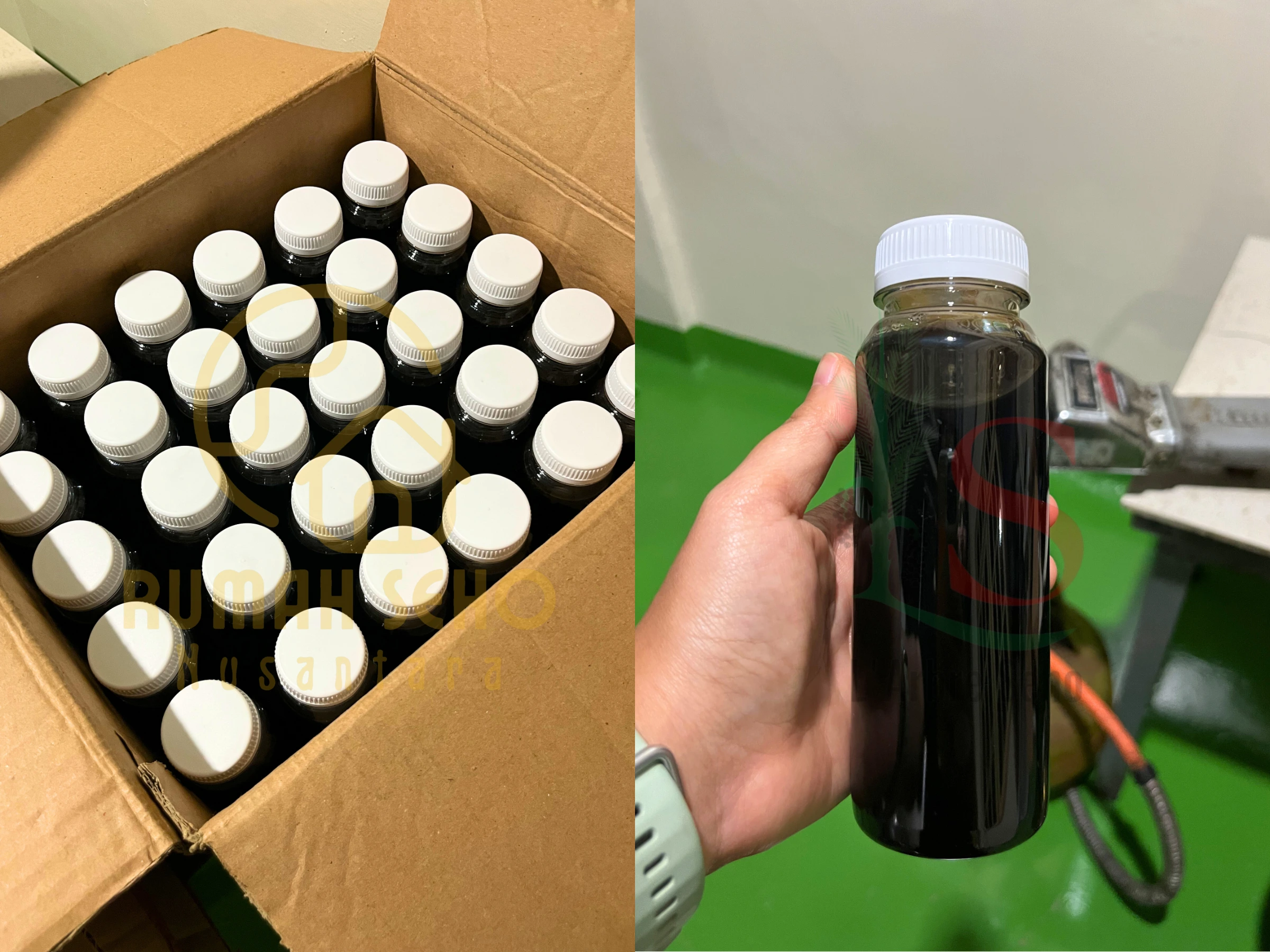
Why Smart Importers Choose Indonesian Palm Syrup
Introduction: Why Indonesian Palm Syrup Attracts Global Buyers
In global ingredient sourcing, importers must evaluate not only product quality but also the reliability of the origin country.
Food and beverage manufacturers depend on ingredients that maintain consistent performance across large-scale production systems. Any variation in ingredient quality can affect formulation stability and product consistency.
Palm syrup has become an increasingly popular natural sweetener in modern food manufacturing. However, sourcing palm syrup from the right origin plays a crucial role in ensuring reliable ingredient supply.
For many international buyers, Indonesian palm syrup represents one of the most trusted sourcing options.
Indonesia offers a combination of natural resources, traditional harvesting expertise, and developing manufacturing systems that support large-scale palm syrup production.
These advantages make Indonesian suppliers increasingly attractive for importers seeking stable ingredient supply.
Indonesia as the Natural Habitat of the Arenga Palm Tree
The Arenga palm tree, scientifically known as Arenga pinnata, grows naturally in tropical regions.
Indonesia provides one of the most suitable ecosystems for this tree.
Large areas of mountainous and forested landscapes allow Arenga palms to thrive without intensive agricultural cultivation.
Because the raw material grows abundantly in Indonesia, producers can maintain stable sap harvesting networks.
This natural availability supports long-term supply stability for Indonesian palm syrup.
Importers often consider raw material availability when evaluating ingredient sourcing locations.
Countries with abundant natural resources are better positioned to maintain consistent production volumes.
Traditional Sap Harvesting Knowledge
Palm sap harvesting requires specialized knowledge and skill.
Harvesters must tap the flower stalks of the Arenga palm tree carefully to collect sap without damaging the tree.
This practice has been passed down through generations in many Indonesian communities.
The accumulated knowledge of local harvesters helps maintain both tree health and sap quality.
Within the Indonesian palm syrup industry, this traditional expertise plays a major role in ensuring consistent raw material supply.
However, traditional harvesting alone is not sufficient for modern industrial markets.
Reliable production systems must combine traditional knowledge with modern processing standards.
Combining Traditional Methods with Modern Processing
Palm syrup production begins with harvesting fresh sap from the Arenga palm tree.
Once collected, the sap must be processed quickly to prevent fermentation.
Reliable producers filter the sap and apply controlled evaporation processes to concentrate the natural sugars.
Modern processing systems allow manufacturers to maintain consistent evaporation conditions.
This control ensures stable sweetness concentration and predictable viscosity.
As a result, Indonesian palm syrup producers who adopt modern manufacturing practices can meet the technical requirements of industrial food manufacturers.
Consistent Ingredient Specifications for Industrial Buyers
Industrial buyers rely on ingredients that behave consistently across production batches.
Palm syrup specifications typically include moisture levels, mineral composition, and viscosity stability.
Moisture levels influence fermentation risk, while mineral composition affects flavor characteristics.
Reliable suppliers maintain strict quality monitoring systems to ensure these parameters remain stable.
Importers evaluating Indonesian palm syrup suppliers often review these specifications carefully.
Suppliers who provide transparent technical documentation demonstrate greater reliability.
Clear specifications help manufacturers integrate palm syrup into their formulations with confidence.
Reducing Fermentation Risk During International Shipping
Fermentation represents one of the most common concerns when importing palm syrup.
Because palm sap contains natural sugars, microbial activity may occur if moisture levels remain too high or hygiene standards are not maintained.
For shipments traveling long distances, fermentation risk becomes particularly important.
Reliable producers address this issue through strict moisture control and hygienic processing systems.
These measures help prevent microbial growth during storage and transportation.
Consequently, high-quality Indonesian palm syrup suppliers can deliver stable products suitable for global distribution.
Supply Chain Stability for Global Manufacturing
Ingredient reliability depends heavily on supply chain stability.
Manufacturers must receive ingredients on schedule to maintain efficient production cycles.
Indonesia’s widespread Arenga palm population supports large-scale sap harvesting across multiple regions.
This geographical diversity reduces the risk of supply shortages.
In addition, experienced Indonesian palm syrup exporters have developed logistics networks capable of supporting international distribution.
These systems allow suppliers to deliver consistent shipment volumes to manufacturers worldwide.
Natural Flavor Complexity for Product Innovation
Palm syrup offers a flavor profile that differs from many conventional sweeteners.
The natural minerals and organic compounds present in palm sap contribute subtle caramel-like notes.
These characteristics make palm syrup particularly attractive for beverage and dessert formulations.
Manufacturers seeking distinctive flavor profiles often explore Indonesian palm syrup as a natural ingredient.
Its flavor complexity can enhance specialty teas, coffee beverages, plant-based drinks, and dessert sauces.
Such versatility allows brands to develop products that stand out in competitive markets.
Supporting Clean Label Product Development
Consumers increasingly prefer products with natural and recognizable ingredients.
Clean label trends have therefore influenced ingredient selection across the food industry.
Palm syrup fits naturally within these preferences because it originates directly from palm sap.
The production process involves filtration and evaporation rather than extensive chemical processing.
As a result, Indonesian palm syrup supports product development strategies focused on natural ingredient transparency.
Manufacturers can incorporate palm syrup into formulations while maintaining clean-label positioning.
PT Rumah Seho Nusantara: An Indonesian Palm Syrup Manufacturer
At PT Rumah Seho Nusantara, we aim to contribute to the global reputation of Indonesian palm syrup as a reliable natural sweetener.
As a palm (Arenga) syrup manufacturer and supplier from Indonesia, we combine traditional sap harvesting expertise with modern production systems.
Our palm syrup is produced under controlled specifications designed to support industrial food and beverage manufacturing.
Our parameters include:
Moisture: Max 25%
Fat Content: Max 2.5%
Ash Content: 1.10 – 1.15%
These specifications help maintain stable sweetness concentration, balanced mineral composition, and predictable viscosity behavior.
In addition, our hygienic production systems help reduce fermentation risk during storage and international shipping.
Through disciplined quality control and transparent communication, we aim to support global importers seeking reliable Indonesian palm syrup supply.
Contact Us
For more information about our palm (Arenga) syrup and bulk supply capabilities:
🌐 Website: www.palmlarbreseho.com
📞 Phone / WhatsApp: +62 896 9888 2428