Introduction: Clean Label Is Evolving into a Standard
Clean label is no longer a differentiator.
Instead, it is becoming the baseline expectation across global food and beverage markets. Between 2026 and 2030, this trend will intensify as consumers demand greater transparency and authenticity.
Because of this shift, manufacturers must rethink not only their marketing strategy but also their formulation approach.
At the center of this transformation lies ingredient selection.
Among emerging solutions, palm (Arenga) syrup stands out as a strategic ingredient that aligns with both clean-label expectations and industrial performance requirements.
Trend 1: From “Natural” to “Minimally Processed”
Consumers are moving beyond the word “natural.”
They now want to understand how ingredients are processed.
This shift places emphasis on:
- fewer processing steps
- reduced transformation
- closer-to-source production
Because of this, ingredients that undergo multiple processing stages face increasing scrutiny.
In contrast, palm (Arenga) syrup offers a clear advantage.
It is produced through a single evaporation process from fresh sap, without reprocessing or chemical modification.
Therefore, it aligns directly with the future definition of clean label.
Trend 2: Ingredient Transparency and Traceability
Consumers increasingly expect full transparency.
They want to know:
- where ingredients come from
- how they are produced
- what processes are involved
Because of this, traceability becomes a competitive advantage.
Palm (Arenga) syrup, sourced from the Arenga palm tree, provides a clear and understandable origin story.
This transparency supports trust.
Therefore, brands using palm syrup can communicate a stronger clean-label narrative.
Trend 3: Functional Ingredients Without Additives
Modern formulations require ingredients that perform multiple roles.
Manufacturers aim to reduce the number of additives in their products.
Instead of adding stabilizers, flavor enhancers, or texturizers, they prefer multifunctional ingredients.
Palm (Arenga) syrup supports this approach.
It provides:
- sweetness
- flavor complexity
- body and mouthfeel
Because of this, it reduces the need for additional ingredients.
Therefore, it fits well into clean-label formulation strategies.
Trend 4: Clean Label Meets Premium Positioning
Clean label is increasingly associated with premium products.
Consumers perceive minimally processed ingredients as higher quality.
Therefore, brands are combining clean-label claims with premium positioning.
Palm (Arenga) syrup supports this shift.
Its natural caramel notes and balanced sweetness enhance product experience.
As a result, products feel more refined.
Therefore, it bridges the gap between clean label and premium formulation.
Trend 5: Stability Without Chemical Preservatives
Future clean-label products must achieve stability without artificial additives.
This requirement creates technical challenges.
Manufacturers need ingredients that remain stable under real-world conditions.
When produced under controlled systems, palm (Arenga) syrup offers:
- stable concentration
- controlled moisture
- reduced fermentation risk
Because of this, it supports shelf life without preservatives.
Therefore, it aligns with the direction of clean-label innovation.
Where Palm (Arenga) Syrup Fits in Future Applications
The relevance of palm (Arenga) syrup becomes clear when applied to real product categories.
Below are key examples where it plays a strategic role.
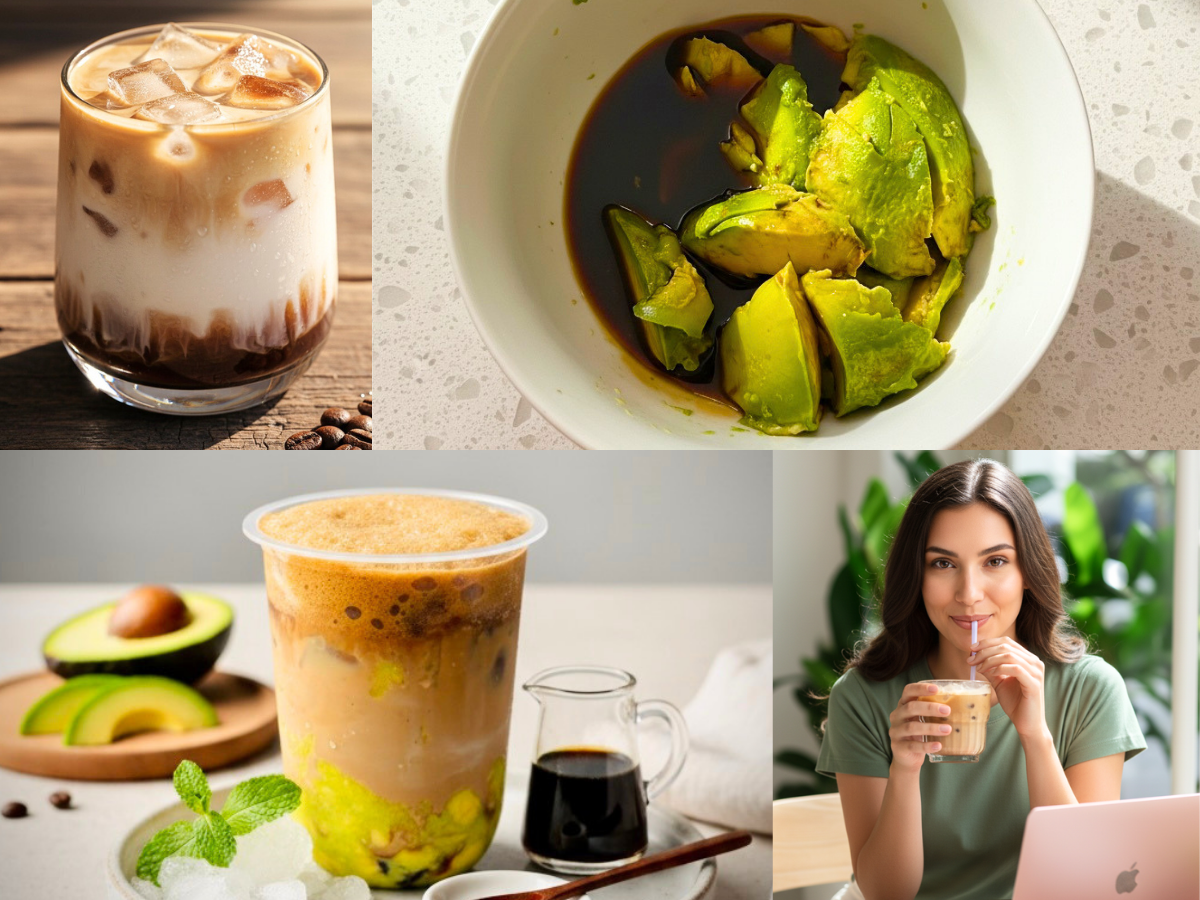
Example 1: Ready-to-Drink (RTD) Tea and Coffee
RTD beverages continue to grow globally.
Brands are shifting toward natural sweeteners.
Application:
- iced tea with palm syrup
- cold brew coffee with arenga syrup
Why it works:
- stable sweetness
- enhanced flavor depth
- clean-label positioning
Because of this, beverages achieve both functionality and differentiation.
Example 2: Plant-Based Milk and Functional Drinks
Plant-based beverages require balanced taste and smooth texture.
Application:
- oat milk with palm syrup
- almond milk sweetened with arenga syrup
- functional herbal drinks
Why it works:
- improves mouthfeel
- supports natural positioning
- integrates easily into liquid systems
Therefore, palm syrup enhances both sensory and technical performance.
Example 3: Premium Dessert and Ice Cream Products
Consumers expect premium desserts to deliver unique flavor experiences.
Application:
- palm sugar ice cream
- caramel-style desserts using palm syrup
- dairy-free frozen desserts
Why it works:
- natural caramel notes
- improved texture
- clean-label alignment
Because of this, desserts gain both premium and natural appeal.
Example 4: Clean-Label Energy and Nutrition Bars
Functional snacks are moving toward cleaner formulations.
Application:
- energy bars using palm sugar as binder
- protein bars with arenga syrup
Why it works:
- natural binding properties
- stable sweetness
- reduced need for additives
Therefore, palm syrup supports simplified ingredient lists.
Example 5: Sauces and Natural Flavor Systems
Sauces require balanced flavor and stable consistency.
Application:
- clean-label barbecue sauce
- natural marinade formulations
- Asian-style sauces using palm sugar
Why it works:
- enhances flavor complexity
- blends well with savory ingredients
- supports natural positioning
Because of this, palm syrup improves both taste and formulation efficiency.
Example 6: Beverage Concentrates and Syrup Bases
Industrial beverage systems require consistent ingredients.
Application:
- beverage syrup bases
- concentrate formulations
- flavor blends
Why it works:
- controlled Brix
- predictable viscosity
- stable performance
Therefore, palm syrup supports large-scale production.
The Strategic Advantage for Manufacturers
Manufacturers adopting palm (Arenga) syrup gain multiple advantages:
- alignment with clean-label trends
- improved product differentiation
- reduced formulation complexity
- enhanced consumer trust
Because of these benefits, palm syrup becomes more than an ingredient.
It becomes a strategic asset.
PT Rumah Seho Nusantara: Supporting the Future of Clean Label
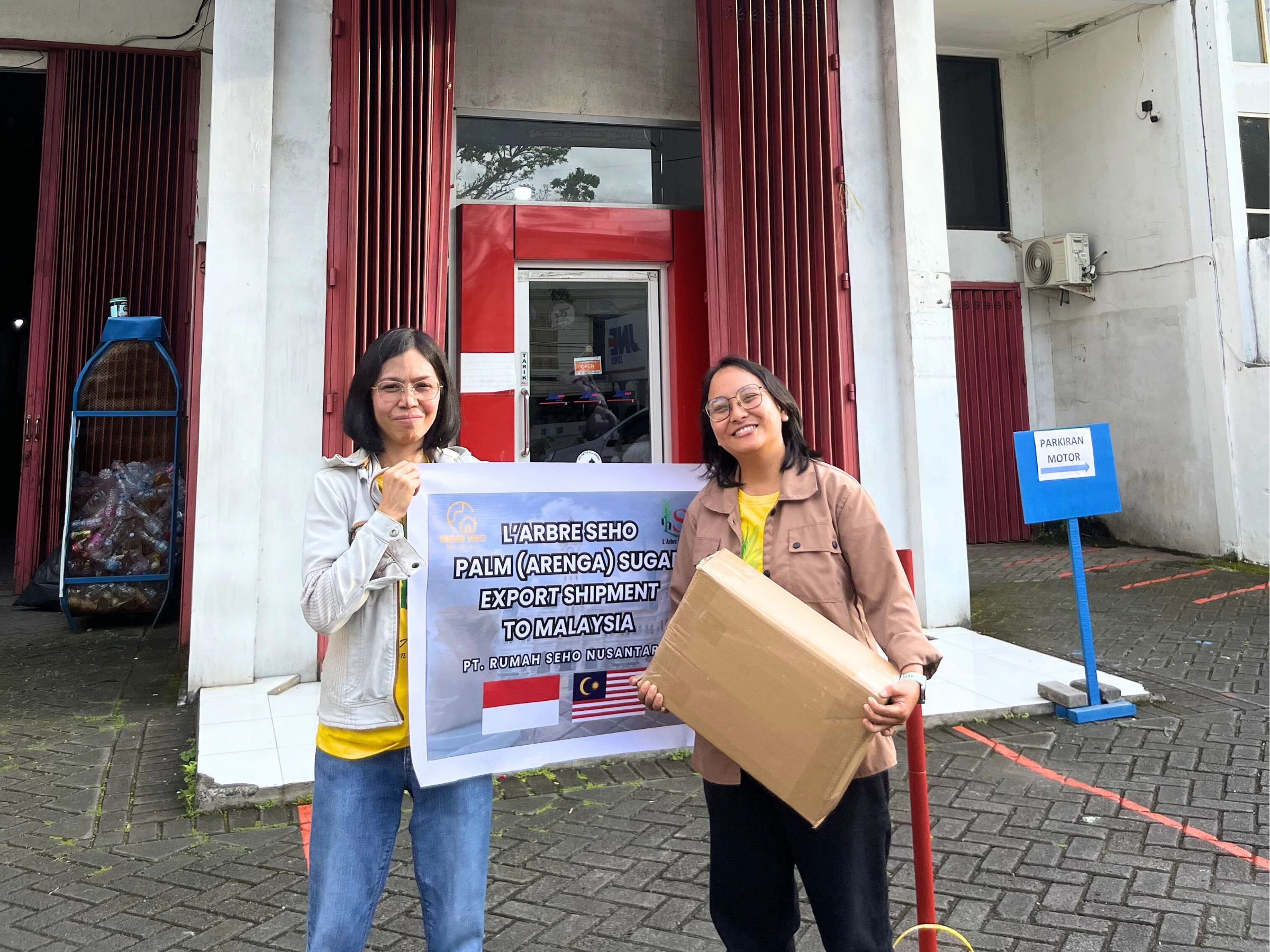
At PT Rumah Seho Nusantara, we produce palm (Arenga) syrup designed for modern industrial applications.
We focus on clean-label integrity and consistent performance.
Our production system includes:
- single-process evaporation
- no reprocessing or dilution
- controlled moisture and concentration
- hygienic processing standards
We maintain measurable specifications:
Moisture: Max 25%
Fat Content: Max 2.5%
Ash Content: 1.10 – 1.15%
Through this approach, we deliver:
- stable shelf life (up to 18 months)
- consistent performance across batches
- natural, additive-free product
Because of this, our partners can confidently develop clean-label products for global markets.
Conclusion: The Future Belongs to Smart Ingredient Choices
Between 2026 and 2030, clean label will evolve into a non-negotiable standard.
Manufacturers who adapt early will gain competitive advantage.
Those who delay may struggle to meet market expectations.
Palm (Arenga) syrup fits directly into this future.
It combines:
- minimal processing
- natural composition
- functional performance
- clean-label compatibility
Therefore, it represents a forward-looking solution for modern product development.
In the end, the future of clean label will not be defined by claims.
It will be defined by ingredients that truly deliver.
Contact Us
For more information about our palm (Arenga) syrup:
🌐 Website: www.palmlarbreseho.com
📞 Phone / WhatsApp: +62 896 9888 2428