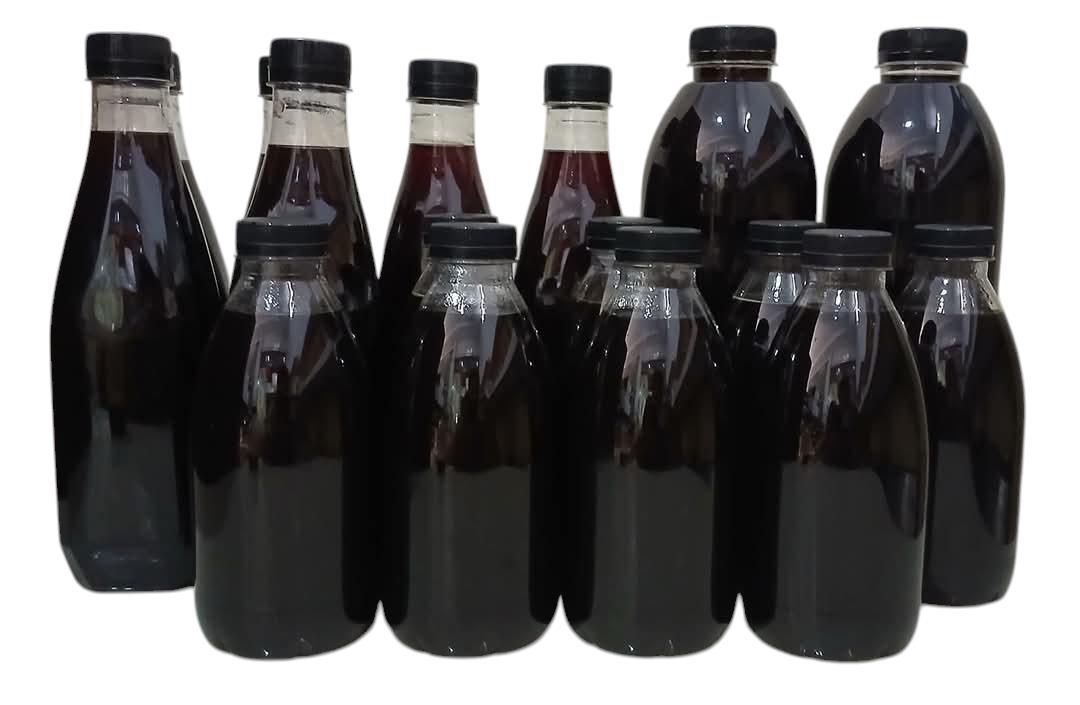
Flavor is one of the most important factors in food and beverage formulation. Sweeteners do more than add sweetness they shape aroma, mouthfeel, aftertaste, and overall product identity. Among natural liquid sweeteners, palm sugar syrup and molasses are often compared because of their rich taste profiles.
Although both originate from plant-based sources, their flavor characteristics are fundamentally different. These differences influence how each ingredient performs in beverages, desserts, sauces, and specialty food products.
This article explores the flavor characteristics of palm syrup vs molasses and how their unique profiles affect formulation choices.
Flavor Profile of Palm Sugar Syrup
Palm syrup offers a smooth, rounded sweetness with subtle caramel, toffee, and lightly roasted notes. Its flavor is generally balanced, allowing other ingredients to remain the main focus.
In beverage applications, palm sugar syrup enhances depth without overpowering coffee, tea, fruit, or botanical flavors. The sweetness feels softer than refined sugar, creating a more natural and approachable taste experience.
Because its flavor is gentle, palm syrup supports a wide range of applications, from ready-to-drink beverages and café drinks to sauces and specialty desserts.
Flavor Profile of Molasses
Molasses has a much more intense and complex flavor profile. It is characterized by strong bitterness, deep caramelization, and pronounced mineral notes.
This bold taste comes from its origin as a by-product of sugar refining. After sugar crystals are removed, the remaining liquid becomes molasses, concentrating compounds that create its dark color and powerful flavor.
In formulations, molasses often dominates the overall taste. It is typically used in traditional beverages, fermented drinks, and specialty products where a robust, heavy flavor is intentionally desired.
Sweetness Perception and Balance
Palm syrup delivers sweetness in a smooth and rounded way. It does not produce sharp or aggressive sweetness, which helps maintain balance in beverages and foods.
Molasses, on the other hand, offers a more bitter-sweet experience. While it still contains sugars, its strong mineral and caramel notes can reduce the perception of sweetness.
For products that require a clean, pleasant sweetness, palm sugar syrup is often easier to work with.
Aroma and Sensory Experience
Aroma plays an important role in how consumers perceive flavor.
Palm syrup has a mild, warm aroma that supports the overall sensory experience without becoming dominant. It complements beverages and foods with subtle fragrance.
Molasses produces a much stronger aroma with earthy, smoky, and sometimes slightly burnt notes. This can add character but may also limit its use in lighter or more delicate formulations.
These aromatic differences influence how each sweetener fits into different product categories.
Mouthfeel and Aftertaste
Palm syrup creates a smooth mouthfeel with a clean finish. It does not leave a heavy or lingering aftertaste, making it suitable for refreshing beverages.
Molasses tends to produce a thicker mouthfeel and a more persistent aftertaste. Its bitterness can linger on the palate, which is desirable in some specialty drinks but less suitable for everyday beverages.
These sensory differences affect overall product enjoyment and repeat consumption.
Versatility in Food and Beverage Applications
Palm syrup is highly versatile. Its mild flavor allows formulators to use it in a wide range of products without major recipe adjustments.
Molasses is more specialized. Its strong flavor requires careful formulation and is best suited for products where bold taste is part of the concept.
For brands seeking flexibility across multiple product lines, palm sugar syrup offers broader application potential.
Clean-Label and Flavor Perception
Palm syrup aligns well with clean-label and natural product positioning. Its flavor feels less processed and more approachable, supporting ingredient transparency and modern consumer preferences.
Molasses, while natural, is closely associated with industrial sugar refining and heavy processing. This can influence how consumers perceive product authenticity in certain markets.
Flavor perception is closely tied to brand messaging and market positioning.
PT. Rumah Seho Nusantara: Supporting Flavor-Focused Formulation
Understanding the flavor characteristics of palm syrup vs molasses helps businesses make informed ingredient choices.
As a manufacturer and supplier of palm sugar from Indonesia, PT. Rumah Seho Nusantara supports food and beverage producers with palm sugar syrup designed for balanced flavor, consistent performance, and clean-label positioning. Our controlled processing and transparent communication help partners achieve reliable formulation results.
For more information : +6289698882428 (WhatsApp)
Palm syrup and molasses offer very different flavor experiences.
Palm syrup provides smooth, balanced sweetness with subtle caramel notes, making it suitable for modern beverages and foods. Molasses delivers bold, intense flavor with strong bitterness and mineral character, ideal for more specialized applications.
By understanding these flavor differences, formulators and brands can choose the sweetener that best supports their product goals, consumer expectations, and market positioning.