Heat is a fundamental part of food and beverage processing. From pasteurization and hot filling to concentration and cooking, thermal treatment is used to improve safety, stability, and shelf life. However, heat also influences the sensory and functional qualities of ingredients, especially natural sweeteners.
Palm syrup and molasses are two liquid sweeteners commonly used in beverage and food formulations. While both originate from plant-based sources, their reactions to heat are quite different. These differences affect flavor development, color changes, and overall formulation performance.
This article explores the heat effects on palm syrup and molasses, helping manufacturers understand how temperature influences product quality and application suitability.
Why Heat Matters in Sweetener Processing
Thermal processing is essential for microbial control and product stability. Yet, heat also triggers chemical reactions such as caramelization and Maillard reactions, which can alter taste, aroma, and appearance.
For sweeteners, these reactions determine whether a product becomes richer and smoother, or darker and more bitter. Understanding how palm syrup and molasses respond to heat helps formulators manage flavor outcomes and maintain consistency.
How Palm Sugar Syrup Responds to Heat
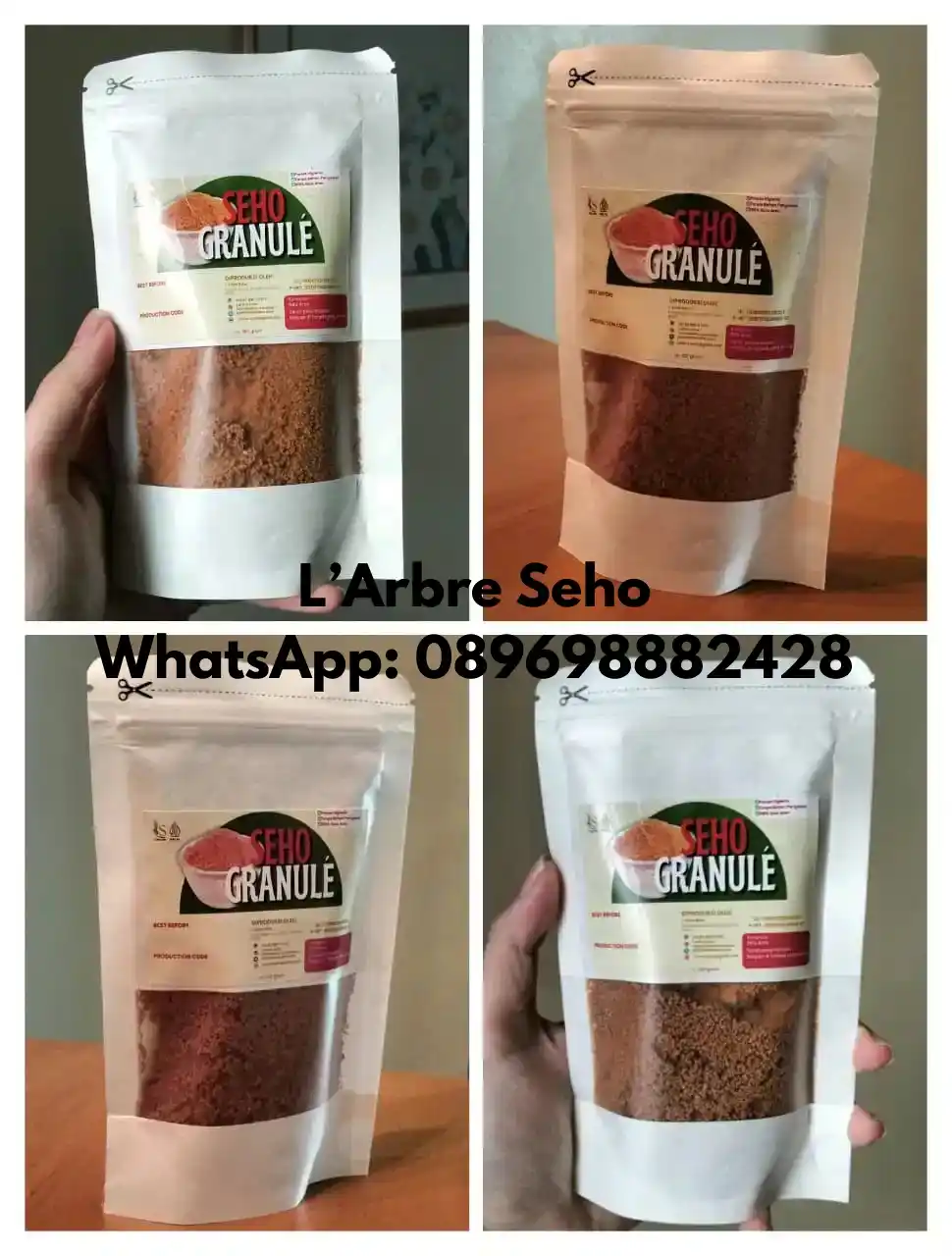
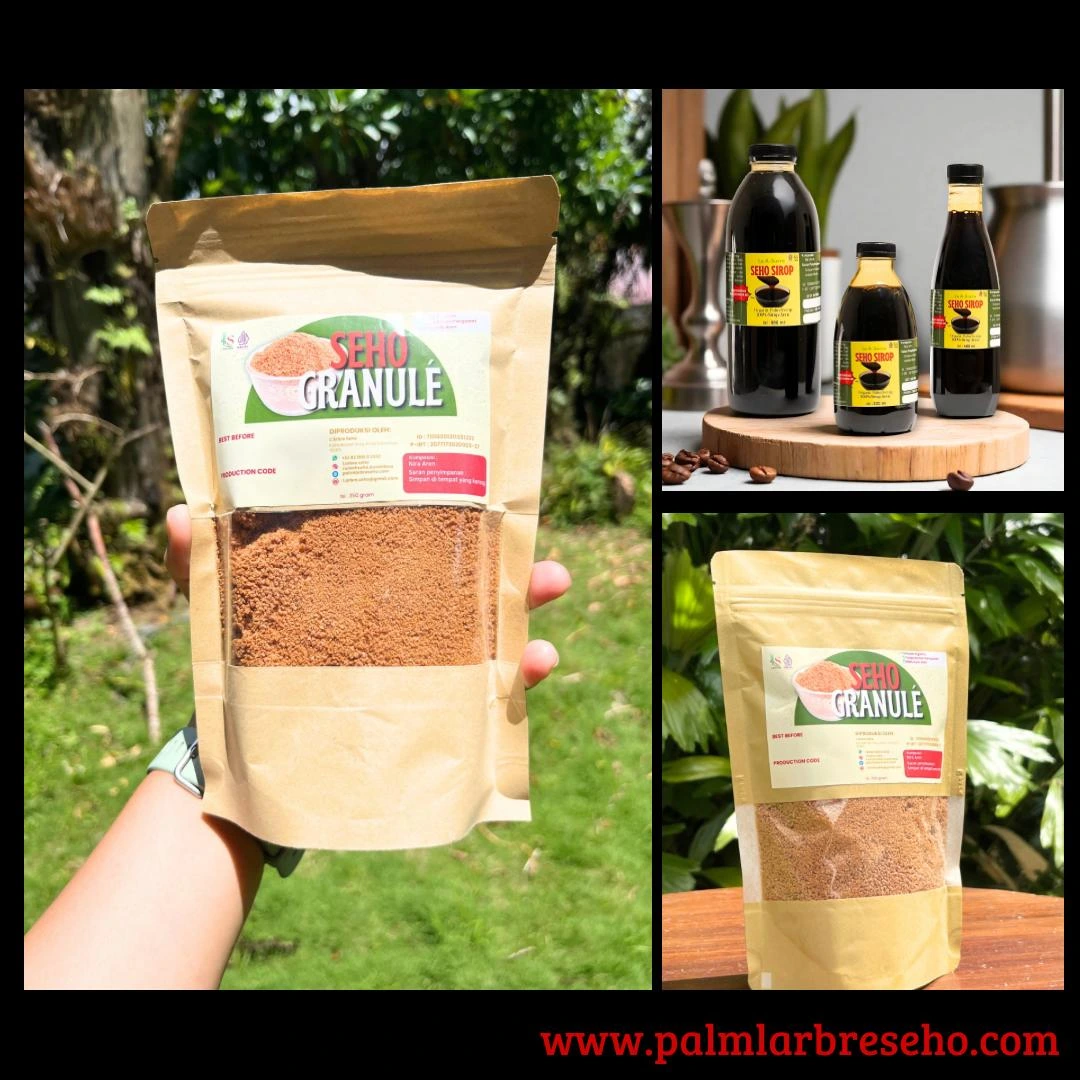
Palm syrup is produced by gently heating fresh palm sap to concentrate its natural sugars. This initial process already introduces mild caramel notes while preserving the syrup’s smooth sweetness.
When palm syrup is exposed to additional heat during beverage or food processing, it generally maintains its balanced flavor if temperatures are controlled. Moderate heating enhances caramel depth without creating harsh bitterness. The color may darken slightly, but usually remains within visually acceptable ranges.
With proper temperature management, palm syrup continues to deliver clean sweetness and stable performance in applications such as coffee drinks, teas, sauces, and ready-to-drink beverages.
How Molasses Responds to Heat
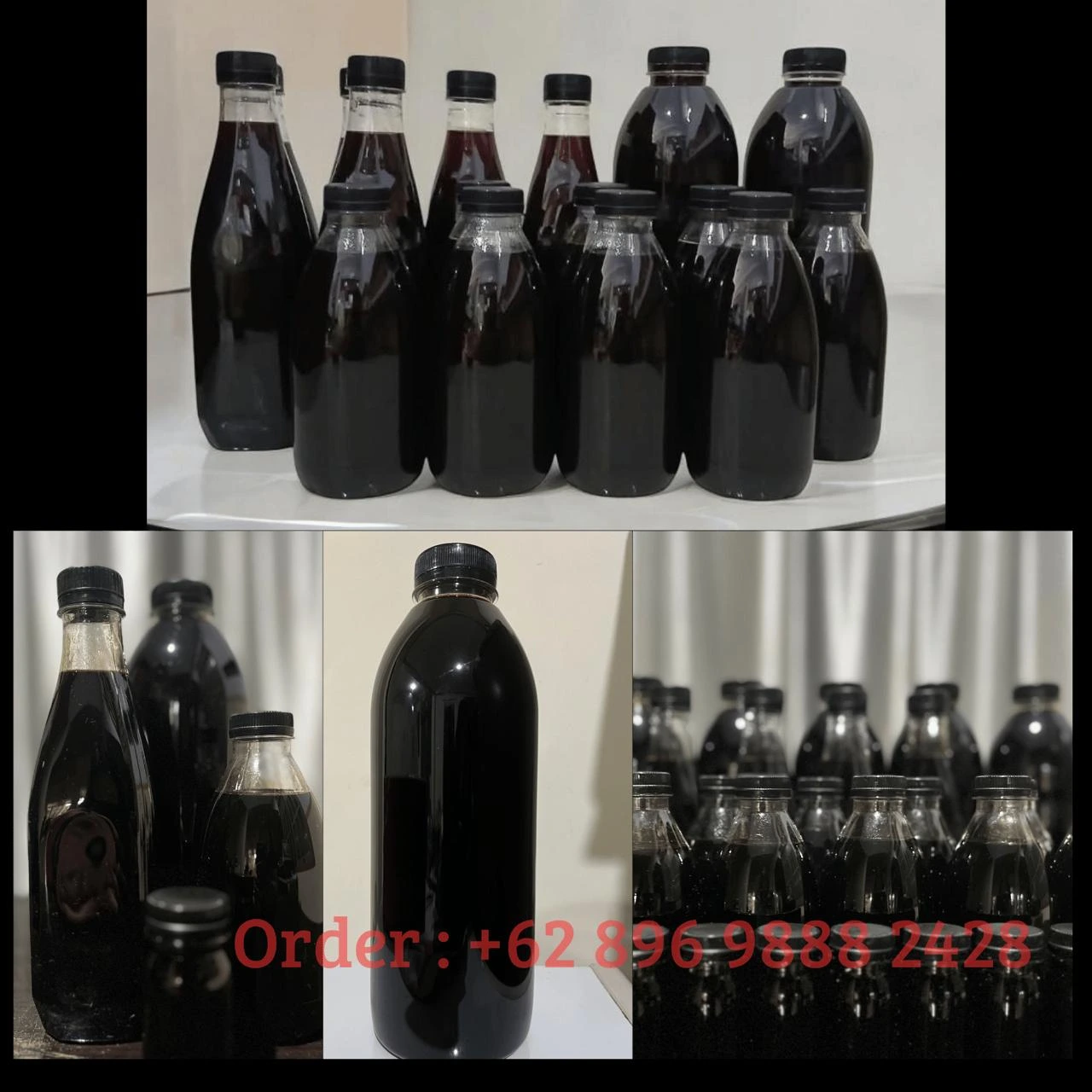
Molasses has a very different thermal history. It is created as a by-product of sugar refining, where sugarcane or sugar beet juice undergoes intense heating and crystallization. This process leaves behind a dark, thick liquid with strong mineral and caramelized flavors.
When molasses is heated again during food or beverage production, its flavor intensity often increases. Bitterness becomes more pronounced, and smoky or burnt notes may develop. The color also deepens further, reinforcing its heavy visual appearance.
While these characteristics can be desirable in certain traditional or specialty products, they limit molasses’ flexibility in lighter or more delicate formulations.
Flavor Development Under Heat
Heat transforms sweetness into complexity.
Palm syrup develops gentle caramel and toffee notes that add richness without overpowering other ingredients. This supports flavor harmony in beverages where balance is important.
Molasses, in contrast, tends to amplify its bold, bittersweet profile when heated. Its strong character can dominate the formulation, making it more suitable for niche beverages rather than mainstream products.
These flavor differences shape how each sweetener is used in modern food and beverage manufacturing.
Color and Visual Changes
Thermal exposure affects visual appearance.
Palm syrup may become slightly darker with heat, but its color change is usually gradual and consistent. This helps maintain product aesthetics in beverages and sauces.
Molasses darkens more dramatically under heat. Its already deep brown color becomes even more intense, which can influence how consumers perceive product quality, especially in clear or lightly colored drinks.
Visual consistency plays an important role in brand presentation and consumer trust.
Functional Stability During Processing
In beverage and food manufacturing, ingredients must perform reliably under heat.
Palm syrup dissolves easily, maintains smooth texture, and supports stable sweetness during pasteurization or hot filling. Its functional behavior remains predictable when processed within recommended temperature ranges.
Molasses, due to its thick texture and strong flavor, requires more careful handling. Heat can increase viscosity and intensify flavor, which may complicate formulation control.
For manufacturers seeking flexibility and consistency, palm sugar syrup often offers smoother processing performance.
Shelf-Life and Quality Retention
Heat treatment can improve microbial safety, but long-term quality depends on proper storage and packaging.
Palm syrup maintains flavor stability and sweetness when stored under clean, controlled conditions. Its sensory profile remains relatively stable throughout its shelf life.
Molasses, while stable, may continue to develop stronger flavor notes over time due to its concentrated composition. This can affect product consistency in extended storage scenarios.
Shelf-life management requires balancing heat treatment with proper handling practices.
Clean-Label Considerations
Palm syrup aligns well with clean-label expectations even after heat processing. Its natural origin and gentle concentration process support transparent ingredient stories.
Molasses, while natural, is closely associated with industrial sugar refining. This can influence how consumers perceive ingredient simplicity in certain markets.
For brands focused on modern, clean-label positioning, palm sugar syrup often fits more naturally into product narratives.
PT. Rumah Seho Nusantara: Supporting Heat-Stable Applications
Understanding the heat effects on palm syrup and molasses helps manufacturers make informed ingredient choices.
As a manufacturer and supplier of palm sugar from Indonesia, PT. Rumah Seho Nusantara focuses on controlled processing, consistent quality ranges, and transparent communication. Our palm syrup is designed to perform reliably under typical beverage and food processing temperatures. We support partners in achieving stable, high-quality formulations.
For more information: +6289698882428 (WhatsApp)
Heat plays a crucial role in shaping the quality of palm syrup and molasses.
Palm syrup responds to heat with gentle caramel development and stable sweetness, making it suitable for a wide range of modern food and beverage applications. Molasses, with its stronger base flavor, becomes more intense under heat, fitting better in specialized products.
By understanding these thermal effects, manufacturers can choose the sweetener that best aligns with their processing methods, flavor goals, and market positioning.
Another article: Palm syrup without added water deliver perform better