Palm sugar is often perceived as a simple natural sweetener. In reality, producing high-quality palm sugar requires careful attention at every stage of production: from raw material sourcing to processing and final handling.
For food and beverage businesses, high-quality palm sugar directly affects flavor consistency, product stability, and brand credibility. Understanding what defines palm sugar quality helps buyers and manufacturers make informed sourcing decisions while managing expectations realistically.
This article explores the key factors that determine palm sugar quality, following its journey from raw material to consistency management within an acceptable quality range for business use.
Raw Material: The Foundation of Palm Sugar Quality
The quality of palm sugar begins with its raw material: sap collected from palm trees.
Different palm species produce sap with unique natural characteristics. Freshness, harvesting timing, and early handling significantly influence the final product. Fresh sap that is processed promptly tends to result in palm sugar with a cleaner taste and more stable quality.
Producers of high-quality palm sugar understand that poor raw material quality cannot be fully corrected during processing. This is why raw material management is treated as the foundation of quality.
Harvesting Practices and Sap Handling
Harvesting is a critical stage in palm sugar production.
Good harvesting practices include:
-
clean tapping equipment,
-
controlled harvesting schedules,
-
immediate handling to prevent premature fermentation.
Sap that is exposed too long or handled improperly can ferment naturally, altering flavor and aroma. Disciplined harvesting practices help preserve the sap’s natural properties and support consistent quality.
Processing Methods and Temperature Control
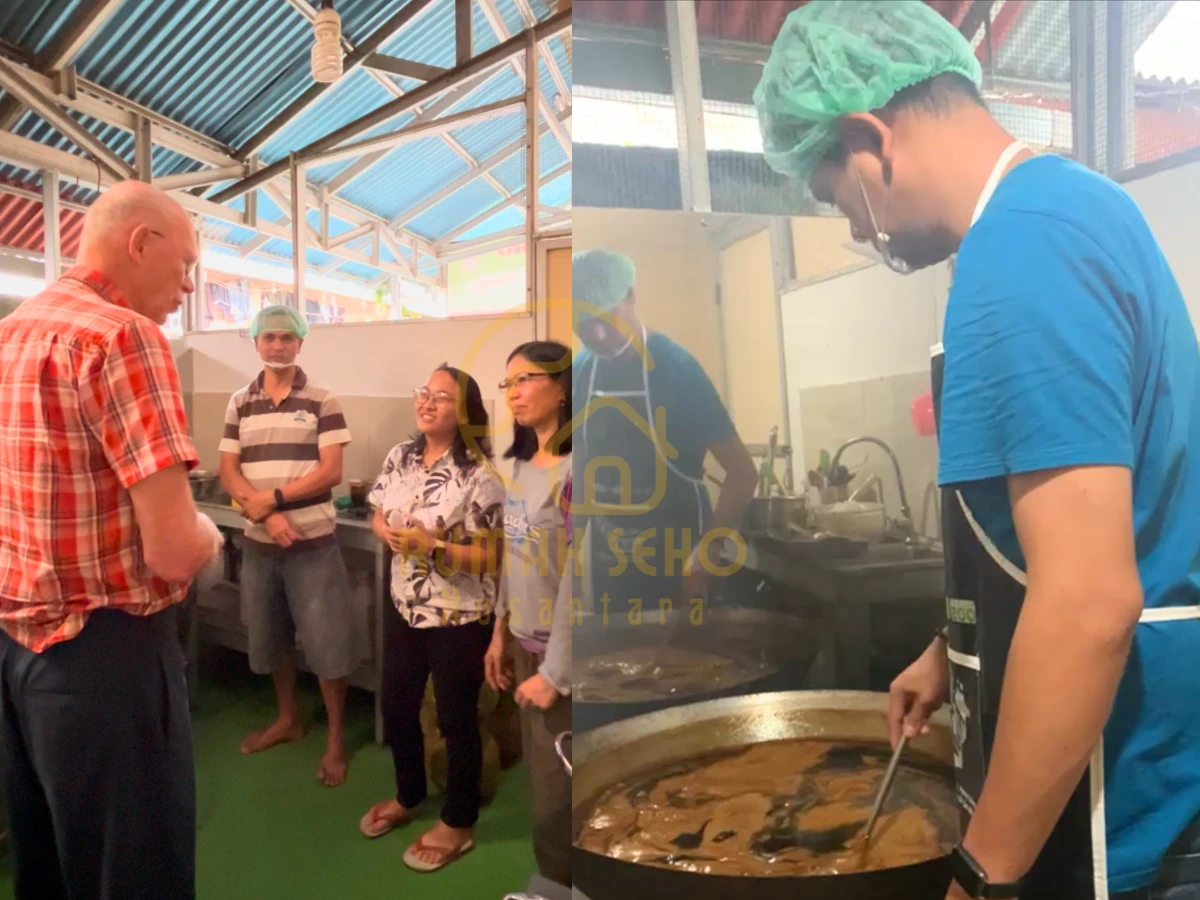
Processing transforms sap into palm sugar, and this stage plays a major role in determining final quality.
Careful temperature control helps preserve natural sweetness and aroma. Excessive heat may cause bitterness or burnt notes, while inconsistent heating can lead to uneven texture.
It is important to note that processing is not intended to eliminate all natural variation. Instead, disciplined processing aims to keep palm sugar characteristics within an acceptable and predictable range.
Hygiene and Quality Control Standards
Hygiene is non-negotiable in palm sugar production.
Clean facilities, sanitized equipment, and routine quality checks are essential to prevent contamination. Quality control allows producers to identify deviations early and ensure that only acceptable products reach the market.
High-quality palm sugar typically displays a clean natural appearance, mild aroma, and balanced sweetness.
Color, Aroma, and Taste Characteristics
Sensory characteristics are key indicators of palm sugar quality.
The color of palm sugar should appear natural and clean, reflecting the properties of the sap rather than processing issues. Aroma should be mild and pleasant, without excessive smoky or burnt notes. Taste should be well-balanced, offering natural sweetness with subtle caramel undertones.
These characteristics result from the combined effect of good raw materials and controlled processing.
Texture and Product Form
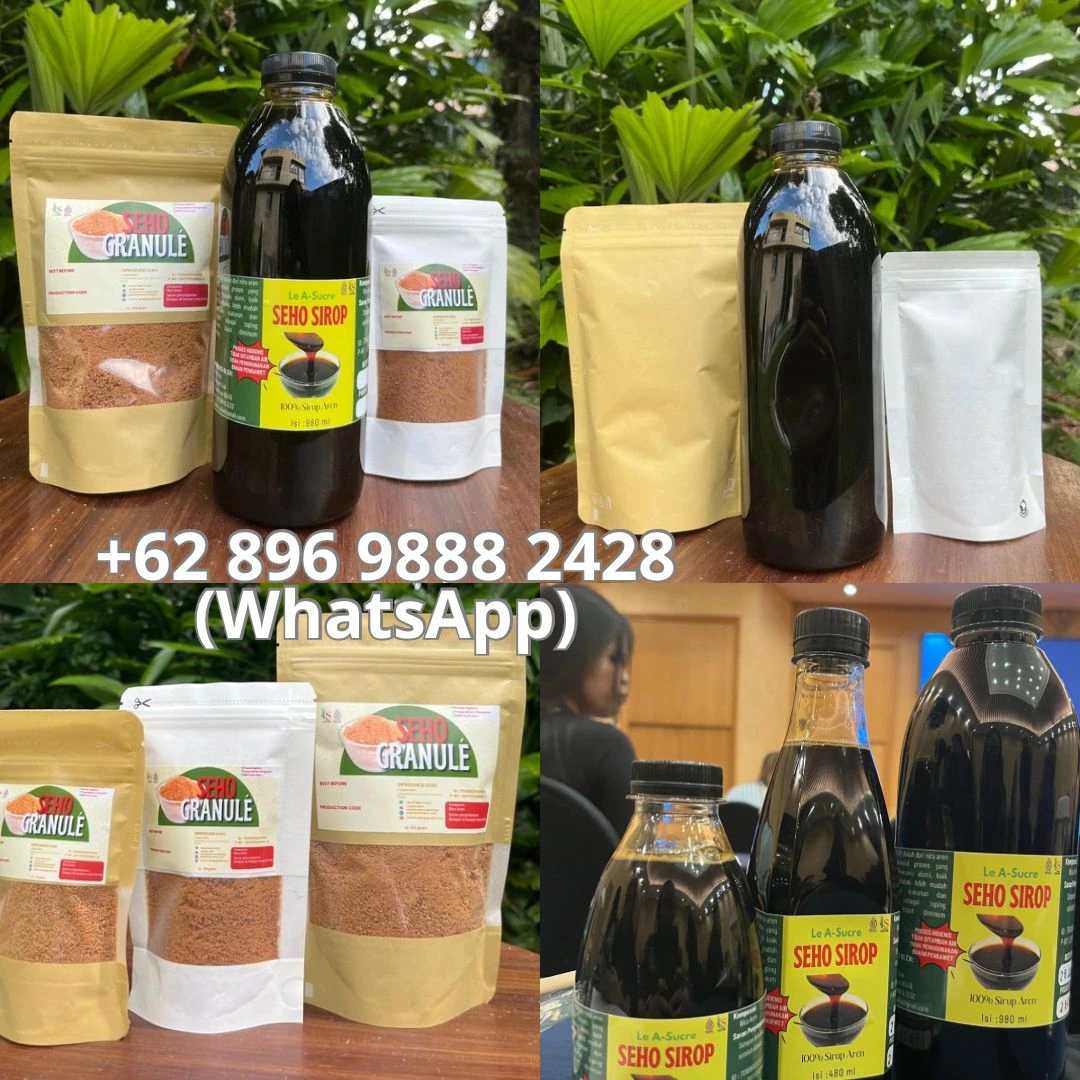
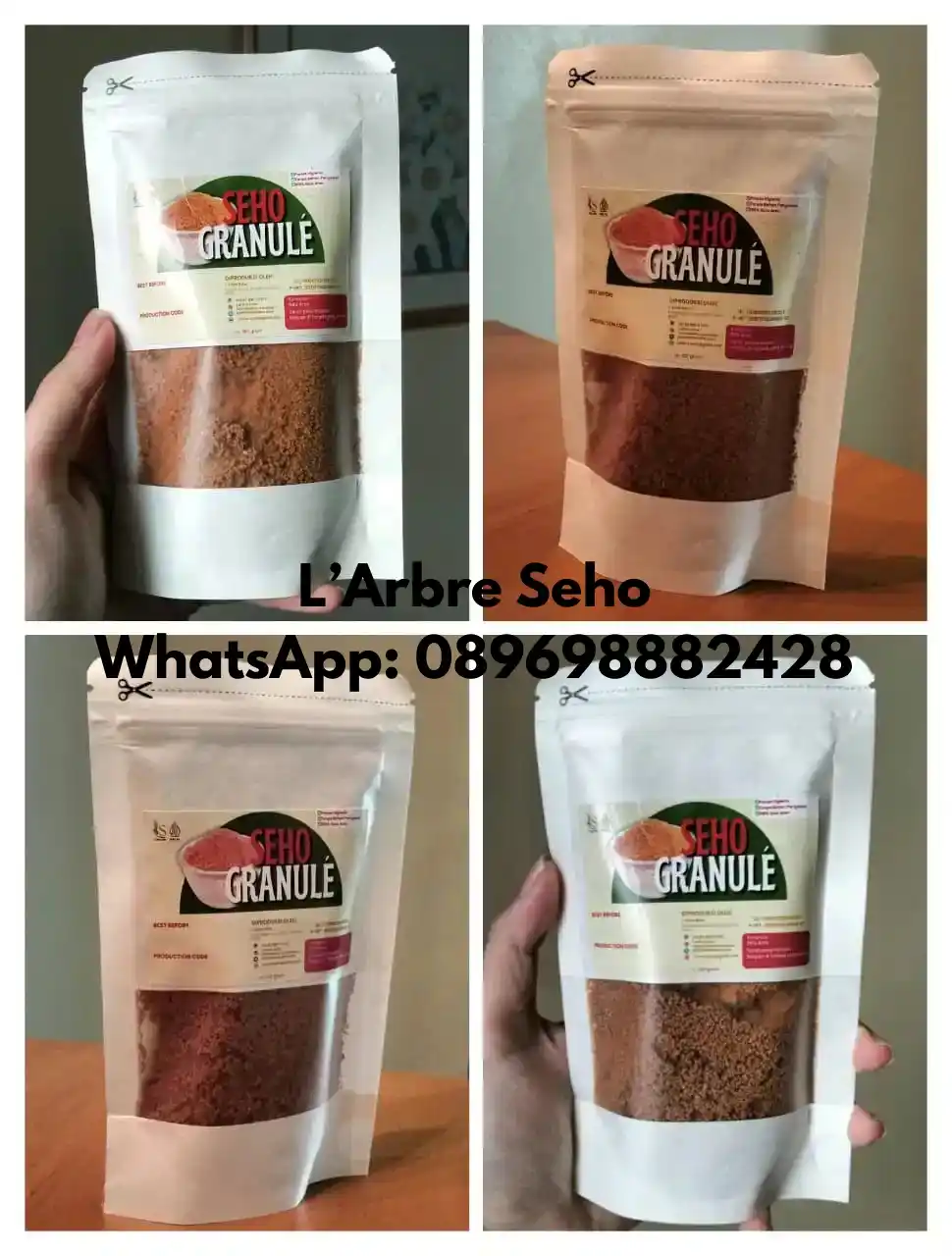
Palm sugar is available in different forms, including molded blocks, granules, and syrup. Regardless of form, quality indicators remain consistent.
Well-produced palm sugar has uniform texture, predictable solubility, and stable performance during storage. Inconsistent texture or excessive hardness may indicate moisture imbalance or process instability.
Texture consistency is particularly important for businesses that rely on repeatable formulations.
Consistency Across Production: Managing a Quality Range
One of the most important indicators of high-quality palm sugar for business use is consistency across production batches. However, as an agricultural product, palm sugar cannot be 100% identical in every batch.
Natural variations in sap composition, weather conditions, and harvesting timing can influence color, aroma, and taste. Therefore, consistency should be understood as managing quality within a defined and acceptable range, rather than enforcing absolute uniformity.
Professional palm sugar producers establish clear quality parameters and ensure that every batch remains within the promised range. This approach allows businesses to maintain product stability without compromising the natural character of palm sugar.
Quality as Part of a Long-Term Partnership
Palm sugar quality extends beyond the product itself to how it is supplied and managed.
Clear communication, transparent processes, and realistic capacity planning are essential components of quality from a business perspective. Working with a supplier who understands both product behavior and business needs supports smoother collaboration.
In this sense, quality becomes part of the partnership experience, not just a product attribute.
PT. Rumah Seho Nusantara: Supporting High-Quality Palm Sugar Standards
Understanding what defines high-quality palm sugar helps businesses select suppliers who value disciplined production and realistic quality management.
As a manufacturer and supplier of palm sugar from Indonesia, PT. Rumah Seho Nusantara applies quality standards based on controlled consistency ranges, not unrealistic claims of absolute uniformity. Each production batch is managed to remain within agreed quality parameters, communicated transparently to business partners.
By focusing on raw material integrity, hygienic processing, and consistent quality management, PT. Rumah Seho Nusantara supports food and beverage businesses in domestic and international markets.
Ultimately, high-quality palm sugar is not the result of chance, but of responsible processes and long-term commitment.
For more information : +6289698882428 (WhatsApp)