Palm sugar is often valued for its natural origin and distinctive flavor. However, what many buyers overlook is how strongly processing methods influence palm sugar quality and shelf life.
From sap handling to heating and final packaging, each processing step affects taste stability, texture, and how long the product remains usable. For food and beverage businesses, understanding these factors is essential to avoid quality inconsistency and unexpected shelf-life issues.
This article explains how palm sugar processing methods impact product quality and shelf life, and why controlled processing matters in commercial supply.
Processing Begins with Sap Handling
Palm sugar quality is shaped long before heating begins.
Fresh palm sap is highly sensitive and can ferment naturally if not handled promptly. Delays or poor hygiene at this early stage may alter flavor and reduce shelf stability.
Producers who prioritize immediate sap handling and cleanliness lay the foundation for palm sugar that is cleaner in taste and more stable during storage.
Heating and Concentration: A Critical Balance
Heating is the central step in palm sugar production. It concentrates sugars and transforms sap into a usable sweetener.
However, temperature control is crucial. Excessive heat can cause caramelization beyond the desired level, leading to bitterness or burnt notes. Insufficient or uneven heating may result in inconsistent texture or residual moisture.
Effective palm sugar processing methods aim to balance heat application preserving natural sweetness while achieving adequate concentration for stability.
Impact of Processing on Flavor Stability
Flavor is not only created during processing, but also preserved or degraded by it.
Proper heating develops subtle caramel notes characteristic of high-quality palm sugar. Poorly controlled processing, on the other hand, may introduce smoky or off-flavors that become more noticeable over time.
For businesses, flavor stability matters because changes during storage can affect product consistency and customer perception.
Moisture Content and Shelf Life
Shelf life is closely linked to moisture management during and after processing.
Palm sugar with excessive moisture is more vulnerable to microbial growth, texture changes, and faster quality deterioration. Conversely, overly dry products may become too hard or brittle, reducing usability.
For liquid palm sugar, moisture control becomes even more critical. Although the product is intentionally in liquid form, storage must be managed with particular care, especially when no preservatives are used. Factors such as container hygiene, storage temperature, air exposure, and storage duration significantly affect product stability.
Without proper handling and storage, liquid palm sugar may experience quality changes more rapidly than solid forms. Responsible producers therefore design processing and storage systems to keep moisture levels and shelf life within realistic and safe quality ranges.
Hygiene and Contamination Prevention
Processing hygiene plays a direct role in shelf life.
Clean equipment, controlled environments, and proper handling reduce contamination risks that can shorten shelf life or affect safety. Even small lapses in hygiene can lead to spoilage or quality deterioration.
For palm sugar suppliers serving business markets, hygiene standards are a key indicator of reliability.
Natural Variation and Shelf-Life Expectations
Palm sugar is an agricultural product, and natural variation cannot be fully eliminated.
Processing methods help manage this variation, but they do not create identical results across every batch. Shelf life, therefore, should be understood within realistic ranges rather than absolute guarantees.
Producers who communicate shelf-life expectations transparently help buyers plan storage and usage more effectively.
Processing Methods Across Different Product Forms
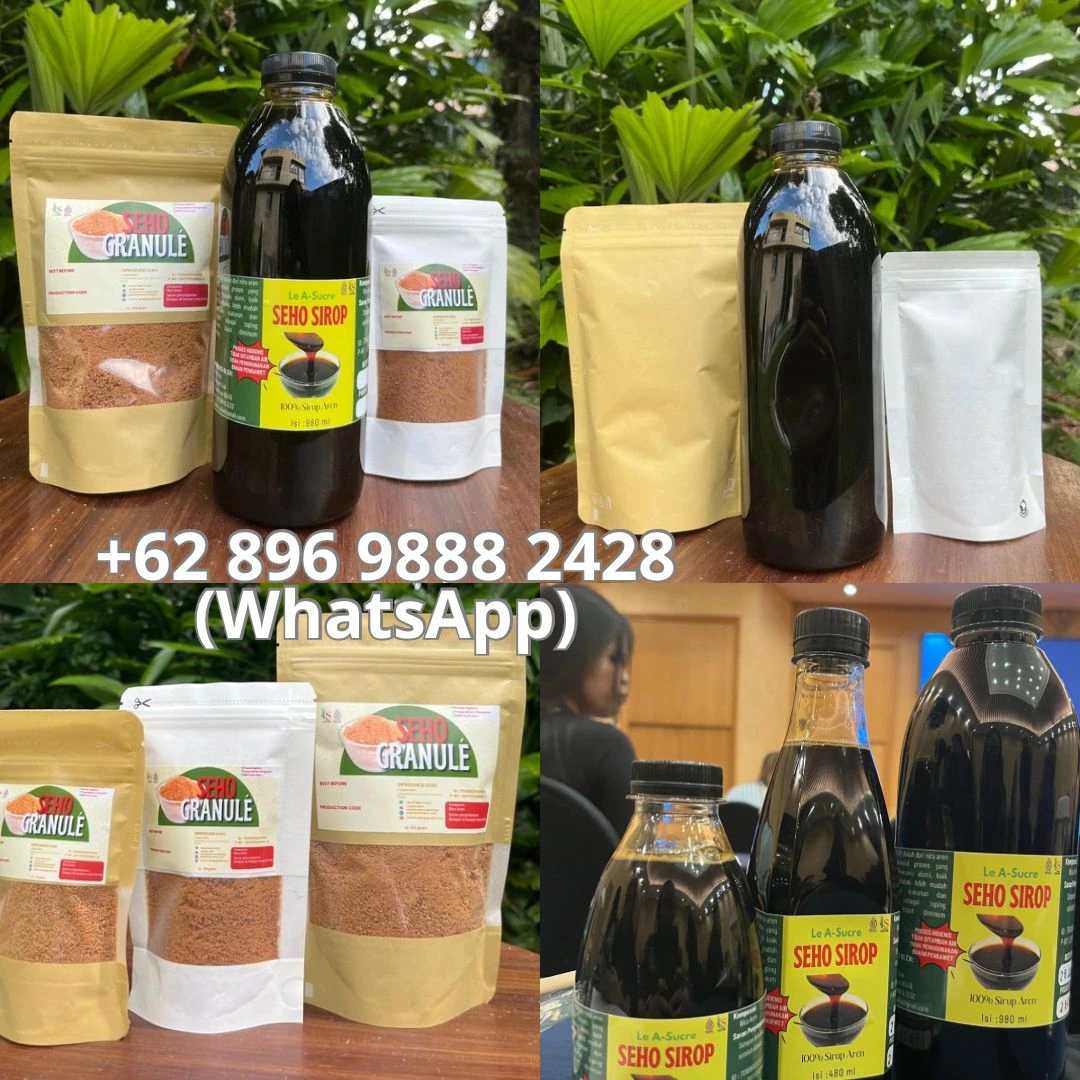
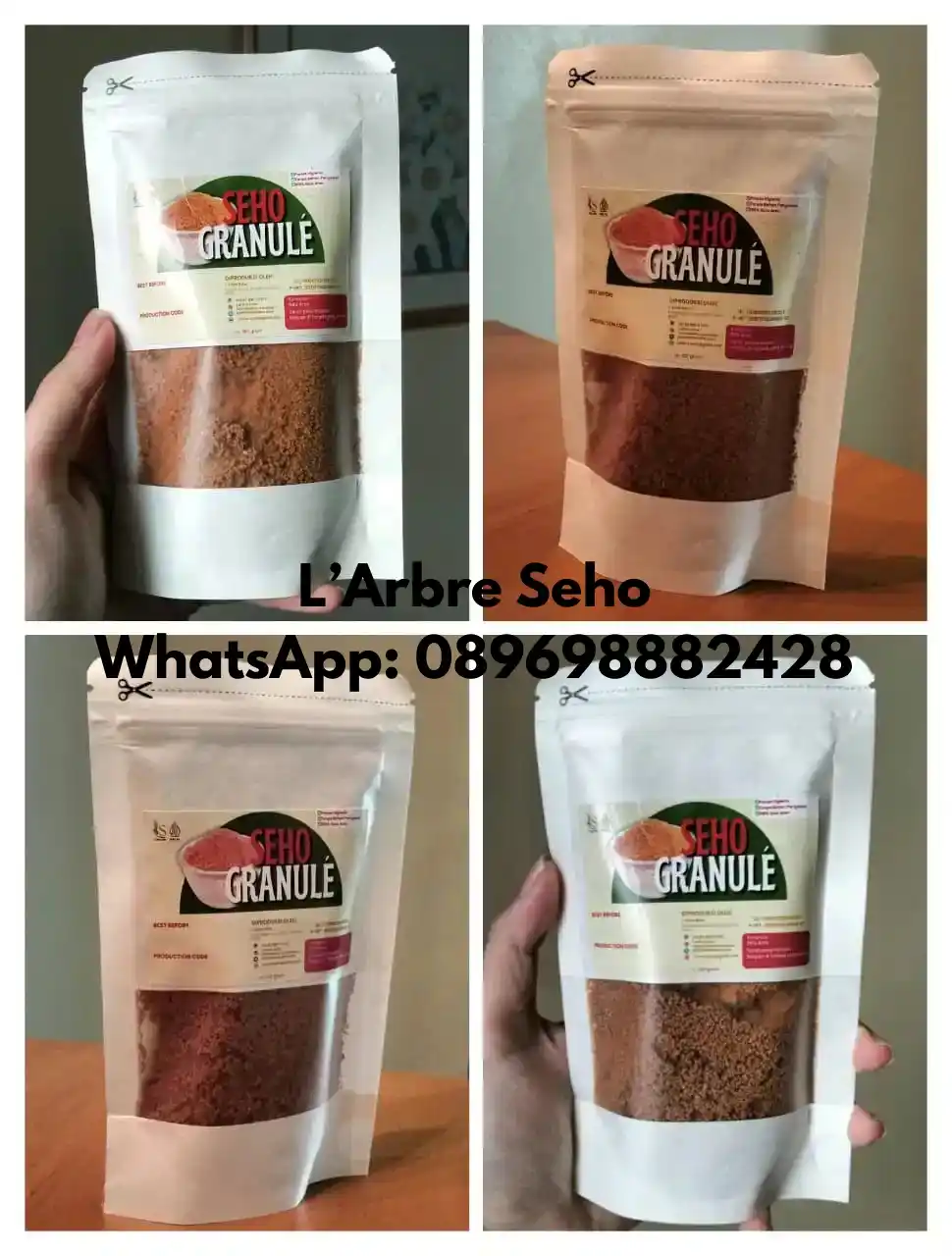
Palm sugar is available in various forms, including molded blocks, granules, and syrup. Each form requires specific processing considerations.
For example, palm sugar syrup typically requires tighter control over moisture and filtration, while molded palm sugar depends more on uniform heating and cooling.
Understanding how processing differs by product form helps businesses select the right type for their application and shelf-life needs.
Why Controlled Processing Matters for Business Supply
For business buyers, controlled processing translates into predictability.
Consistent processing methods help ensure that palm sugar performs similarly across batches, reducing formulation adjustments and operational disruptions.
Suppliers who invest in disciplined processing are better positioned to support long-term partnerships rather than one-time transactions.
PT. Rumah Seho Nusantara: Managing Processing for Quality and Stability
Understanding how processing methods affect palm sugar quality and shelf life allows businesses to source more confidently.
As a manufacturer and supplier of palm sugar from Indonesia, PT. Rumah Seho Nusantara applies controlled processing methods focused on hygiene, balanced heating, and moisture management. Our approach supports stable flavor, predictable shelf life, and consistent quality across production batches.
By respecting both the natural characteristics of palm sap and the demands of modern business supply, we help partners achieve reliable outcomes.