How Reliable Bulk Palm Syrup Suppliers Prevent Fermentation During Shipping
Introduction: Why Fermentation Risk Matters in Global Palm Syrup Trade
Reliable bulk palm syrup suppliers prevent fermentation not by chance but through disciplined production systems. In global ingredient trade, fermentation during shipping represents one of the most serious risks for importers and food manufacturers.
Palm syrup is a natural sweetener derived from the sap of the Arenga palm tree. Because it originates from natural sap, the ingredient contains organic sugars and minerals that can support microbial activity if production conditions are not properly controlled.
During long-distance shipping, containers may travel for 30 to 45 days across varying temperature and humidity conditions. If palm syrup contains excessive moisture or microbial contamination, fermentation can develop before the product reaches the importer.
For industrial food manufacturers, this risk is unacceptable. Fermented syrup may develop gas formation, off-flavors, viscosity changes, or microbial spoilage. As a result, entire shipments can become unusable.
This is why professional importers work only with bulk palm syrup suppliers who prevent fermentation through strict hygiene, controlled specifications, and export-oriented processing systems.
Understanding Why Palm Syrup Can Ferment During Shipping
Palm syrup fermentation usually originates from microbial activity. Yeasts and bacteria naturally occur in palm sap. If these microorganisms are not eliminated or controlled during processing, they can continue to grow during transport.
Several factors may trigger fermentation during shipping.
First, microbial contamination during sap collection may introduce active yeast cultures. Second, incomplete heating during syrup concentration may fail to neutralize microorganisms. Third, excessive moisture levels may create favorable conditions for fermentation.
Additionally, poor hygienic practices during production may introduce additional microbial sources. Contaminated equipment, open-air processing environments, and improper packaging can all increase the likelihood of spoilage.
When these risks combine with long shipping durations, fermentation becomes increasingly likely.
However, reliable bulk palm syrup suppliers prevent fermentation by controlling each stage of the production chain.
Hygienic Production from Sap Collection to Packaging
The first step in fermentation prevention begins at the earliest stage of production. Palm sap must be collected under hygienic conditions to limit microbial contamination.
Professional producers use sanitized containers and carefully managed collection systems. These practices reduce exposure to environmental microbes during harvesting.
Once collected, the sap must be processed quickly. Delays allow natural fermentation to begin even before concentration occurs.
Reliable manufacturers therefore implement rapid processing systems. The sap moves from collection to filtration and heating without unnecessary storage time.
During processing, production equipment must also remain clean and controlled. Closed processing systems reduce airborne contamination and protect syrup quality.
Through strict hygiene from upstream to downstream, bulk palm syrup suppliers prevent fermentation before the syrup even enters the export stage.
Controlled Evaporation and Heat Treatment
Heat treatment plays a critical role in fermentation prevention.
Palm syrup production requires evaporation to concentrate natural sugars. However, this stage also serves another important function: microbial stabilization.
When evaporation temperatures are controlled correctly, heat neutralizes yeast and bacterial activity. Consequently, the syrup becomes microbiologically stable before packaging.
If heating parameters are inconsistent, microorganisms may survive. Over time, those microbes can become active again during shipping.
Reliable suppliers therefore maintain defined heating parameters. Temperature monitoring and controlled evaporation systems ensure that each batch reaches proper microbial stability.
Because of this discipline, bulk palm syrup suppliers prevent fermentation by eliminating microbial threats during processing.
Moisture Control and Its Impact on Fermentation
Moisture content strongly influences fermentation risk.
Palm syrup with high moisture levels contains greater water activity. Microorganisms require water to grow, which means excessive moisture creates favorable conditions for microbial development.
Reliable suppliers maintain strict moisture limits to reduce this risk. By concentrating syrup to defined moisture levels, they decrease water activity and inhibit microbial growth.
Moisture control also stabilizes sweetness concentration and viscosity. As a result, the syrup remains consistent for food manufacturers while also resisting spoilage.
This balance between sweetness concentration and microbial stability is essential for export-grade syrup.
Therefore, bulk palm syrup suppliers prevent fermentation by maintaining moisture levels within carefully defined thresholds.
Another Article : Understanding Small, Medium, and Bulk Orders in Palm Sugar Supply
Specification-Driven Production Systems
Professional palm syrup manufacturers operate using measurable specifications rather than assumption-based processing.
Key parameters typically include moisture level, mineral balance, and viscosity stability. By maintaining these parameters within defined ranges, suppliers ensure that syrup remains stable across batches.
Specification-driven production provides several advantages.
First, it allows manufacturers to monitor quality through measurable data. Second, it ensures that each shipment performs consistently for industrial food applications.
Most importantly, specification discipline reduces fermentation risk by maintaining stable syrup composition.
Because of these systems, bulk palm syrup suppliers prevent fermentation while also supporting reliable food production performance.
Export-Oriented Packaging and Container Preparation
Even microbiologically stable syrup requires proper packaging to maintain its integrity during transport.
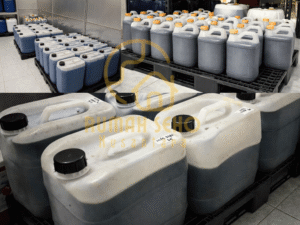
Export-oriented suppliers use food-grade containers that protect syrup from contamination and environmental exposure. These containers are sealed carefully to prevent oxygen intrusion or external microbial contact.
Container sanitation also plays an important role. Before filling, packaging materials must be cleaned and prepared to avoid introducing new microbial sources.
In addition, reliable exporters prepare shipments for long-distance transportation. Storage conditions, container handling, and loading procedures are managed carefully.
By controlling packaging and logistics preparation, bulk palm syrup suppliers prevent fermentation throughout the shipping process.
Another Article : Not All Bulk Palm Syrup Is the Same: What Importers Often Overlook
The Role of Supplier Expertise in Preventing Shipping Failures
Preventing fermentation during shipping requires more than technical knowledge. It requires experience with international trade conditions.
Reliable palm syrup suppliers understand the realities of global logistics. Ocean freight involves extended transit times, temperature fluctuations, and varying storage environments.
Because of these factors, export-oriented manufacturers design their production systems specifically for shipping stability.
They anticipate environmental challenges before the product leaves the facility. Through moisture control, microbial stabilization, and protective packaging, they reduce the risk of spoilage during transport.
Importers therefore prefer suppliers who understand both ingredient science and supply chain discipline.
PT Rumah Seho Nusantara: Preventing Fermentation Through Controlled Production
At PT Rumah Seho Nusantara, preventing fermentation is a core element of our palm syrup production system.
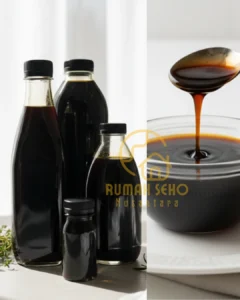
As a palm (Arenga) syrup manufacturer and supplier from Indonesia, we operate with controlled parameters designed for industrial food manufacturing and global export.
Our production system focuses on hygienic sap handling, controlled evaporation processes, and measurable specifications.
Our palm syrup specifications include:
Moisture: Max 25%
Fat Content: Max 2.5%
Ash Content: 1.10 – 1.15%
These parameters ensure that our syrup maintains stable sweetness concentration and microbial resistance during shipping.
In addition, our production environment prioritizes hygiene from upstream sap collection through downstream packaging. This integrated system allows us to deliver export-grade palm syrup designed for long-distance transportation.
Through disciplined processing and specification-driven production, we ensure that our partners receive stable syrup that performs reliably in beverage, bakery, dairy, and industrial food manufacturing.
Why Importers Prioritize Suppliers Who Prevent Fermentation
Fermentation during shipping can create severe financial consequences for importers.
A single compromised shipment may lead to product rejection, production delays, and lost distribution opportunities. Furthermore, fermentation can damage long-term brand relationships with customers and retailers.
Because of these risks, professional buyers prioritize suppliers who demonstrate strong quality control systems.
Importers look for manufacturers who maintain controlled specifications, hygienic production environments, and export-ready packaging systems.
These factors significantly reduce the probability of fermentation during shipping.
Therefore, bulk palm syrup suppliers prevent fermentation not only to protect product quality but also to safeguard their customers’ operational stability.
Conclusion: Reliable Suppliers Engineer Stability Before Shipping
Fermentation during shipping is not inevitable. Instead, it results from preventable weaknesses in production systems.
Reliable suppliers eliminate these weaknesses through disciplined hygiene, controlled evaporation processes, moisture management, and specification-driven quality control.
When these systems operate together, palm syrup becomes stable enough to withstand long-distance transportation.
For importers and industrial food manufacturers, choosing a supplier who understands fermentation prevention is essential. Stable ingredients protect production lines, maintain product consistency, and preserve brand reputation.
Ultimately, bulk palm syrup suppliers prevent fermentation by engineering stability long before the shipment begins its journey.