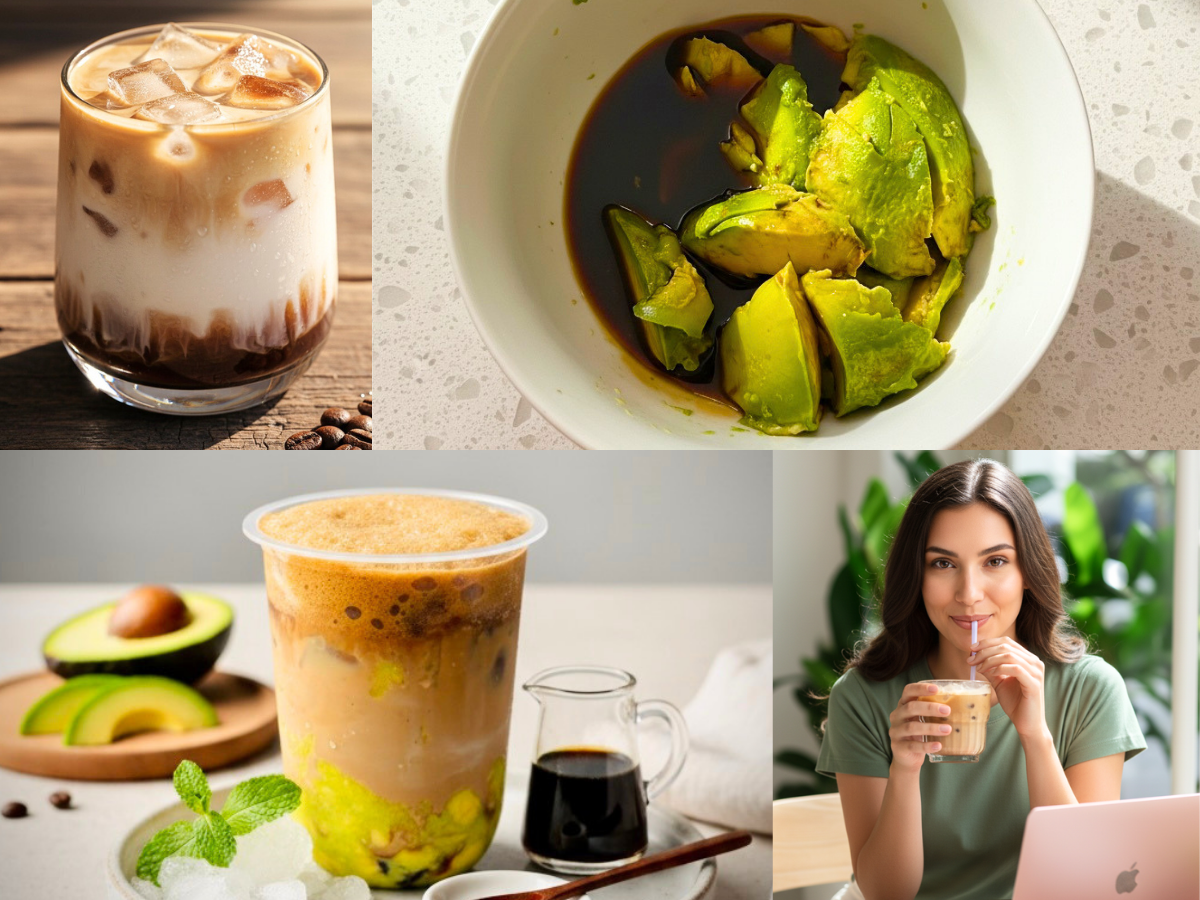
The Ingredient Shift in Global F&B Is Happening Faster Than Most Companies Realize
For years, the global food and beverage industry focused on familiar priorities.
Manufacturers competed through pricing, production efficiency, distribution reach, and marketing power. Product development often revolved around optimizing existing formulas rather than fundamentally rethinking ingredients.
Today, however, something much bigger is happening.
A significant ingredient shift in global F&B is reshaping how products are formulated, marketed, and positioned around the world.
This transformation is not limited to one country or one category. It is occurring across beverages, bakery products, dairy applications, snacks, desserts, sauces, and ready-to-consume products.
More importantly, this change is not being driven solely by manufacturers.
It is being driven by consumers.
Modern consumers are asking different questions than they did a decade ago. They are paying closer attention to ingredient lists, becoming more selective about what they eat and drink. They want products that feel authentic, transparent, and aligned with their values.
As a result, food and beverage companies are reassessing ingredients that were once considered standard.
The industry is entering a new era where ingredient choice has become a strategic business decision rather than a simple formulation decision.
Consumers Are No Longer Looking Only at Taste
Taste remains important.
In fact, taste will always be one of the most important factors in product success.
However, modern consumers evaluate products through a much broader lens.
Before purchasing a product, many consumers now examine ingredient labels, compare alternatives online, and research brands. They want to understand not only how a product tastes but also what it contains and how it was made.
This behavior has accelerated significantly in recent years.
Consumers increasingly associate ingredient quality with product quality.
As a result, the ingredient shift in global F&B is closely connected to growing consumer awareness.
Products that once relied primarily on flavor and convenience must now compete on transparency and authenticity as well.
Manufacturers that recognize this shift are adapting faster than those that continue relying on outdated market assumptions.
Clean Label Has Become a Global Movement
One of the strongest forces behind the ingredient shift in global F&B is the clean-label movement.
Consumers across North America, Europe, Asia, and the Middle East increasingly prefer products that contain ingredients they can recognize and understand.
Long ingredient lists filled with unfamiliar terms often create skepticism.
Simple ingredient lists create confidence.
This perception has encouraged manufacturers to reevaluate many traditional formulation strategies.
Rather than relying solely on ingredients chosen for cost or convenience, companies are increasingly selecting ingredients that support cleaner and more transparent product positioning.
The clean-label trend is no longer a niche market opportunity.
It has become a mainstream expectation in many food and beverage categories.
Because of this, ingredient selection now plays a major role in product marketing and brand differentiation.
The Market Is Moving Toward Ingredient Transparency
Transparency has become one of the most valuable assets in modern food and beverage branding.
Consumers want to know where ingredients come from.
They want to understand how products are made.
They want confidence that brands are not hiding behind complicated formulations.
This demand for transparency is changing purchasing behavior.
Manufacturers that communicate ingredient stories effectively often create stronger emotional connections with consumers.
As a result, the ingredient shift in global F&B is not only about replacing one ingredient with another.
It is about creating products that consumers can understand and trust.
Ingredients with clear agricultural origins often perform particularly well within this environment because they support authentic storytelling.
Differentiation Is Becoming Harder Every Year
The global food and beverage market is more competitive than ever.
New products launch constantly.
Retail shelves are crowded with alternatives.
Digital platforms allow consumers to compare products instantly.
In this environment, differentiation becomes increasingly difficult.
Many traditional ingredients no longer provide a competitive advantage because they are used almost everywhere.
Manufacturers therefore seek ingredients capable of creating unique product experiences.
This search for differentiation is another major driver behind the ingredient shift in global F&B.
Companies are exploring ingredients that contribute more than functionality alone.
They want ingredients that enhance flavor, strengthen brand identity, and support premium positioning.
Natural Ingredients Are Gaining Strategic Importance
The growing demand for natural ingredients is one of the clearest examples of the current market transformation.
Consumers increasingly associate natural ingredients with authenticity, quality, and transparency.
Whether purchasing beverages, snacks, bakery products, or desserts, consumers often gravitate toward products that feel closer to nature.
This shift has encouraged manufacturers to incorporate ingredients with stronger natural positioning.
Palm (Arenga) Syrup is one example.
Derived from palm sap and processed into syrup form, it offers manufacturers an ingredient that aligns naturally with modern consumer expectations.
Because of this, the ingredient shift in global F&B is creating new opportunities for ingredients that combine functionality with authenticity.
Premium Products Require Better Ingredients
Premiumization continues influencing global purchasing behavior.
Consumers are increasingly willing to pay more for products that deliver superior experiences.
However, premium positioning requires more than premium packaging.
The ingredients themselves must support the product story.
Traditional commodity ingredients often struggle to create differentiation because they are widely available and easily replicated.
Natural ingredients with distinctive origins help manufacturers create stronger premium narratives.
This is another reason the ingredient shift in global F&B continues accelerating.
Manufacturers recognize that premium products begin with premium ingredient decisions.
The market is moving toward ingredients that contribute both technical performance and emotional value.
Sustainability Is Influencing Formulation Decisions
Sustainability is no longer a secondary consideration.
It has become an important part of brand strategy.
Consumers increasingly evaluate environmental impact alongside taste and quality.
Retailers are paying attention.
Investors are paying attention.
Manufacturers are paying attention.
Because of this, ingredient sourcing decisions increasingly consider sustainability factors.
Palm (Arenga) cultivation can contribute to biodiversity preservation and long-term agricultural productivity when managed responsibly.
As a result, ingredients connected to sustainable agricultural systems are gaining attention within the global market.
The ingredient shift in global F&B is therefore influenced not only by consumer preferences but also by broader environmental priorities.
Manufacturers Need Ingredients That Perform Reliably
Consumer trends are important, but industrial manufacturers still require reliable performance.
An ingredient may have a compelling story, but it must also work effectively in production.
This is where many alternative ingredients struggle.
Successful ingredients must combine market appeal with operational reliability.
Manufacturers need ingredients that support:
- formulation consistency
- production efficiency
- stable supply
- export readiness
Because of this, the ingredient shift in global F&B favors ingredients capable of delivering both commercial and technical value.
Reliability remains essential.
Without it, even the strongest market trend becomes difficult to sustain.
Palm (Arenga) Syrup Reflects the Direction of the Market
When examining the forces driving change across the industry, Palm (Arenga) Syrup represents many of the characteristics manufacturers are now seeking.
It supports clean-label positioning, contributes distinctive flavor characteristics, offers a strong agricultural story, and aligns with growing interest in natural ingredients.
Most importantly, it helps manufacturers create products that feel relevant within today’s marketplace.
Because of this, Palm (Arenga) Syrup reflects the broader ingredient shift in global F&B currently underway.
Its growing adoption is not simply about sweetness.
It is about meeting evolving market expectations.
PT. Rumah Seho Nusantara: Supporting the Future of Food and Beverage Innovation
At PT. Rumah Seho Nusantara, we understand how rapidly ingredient expectations are changing across global markets.
As a manufacturer and exporter of palm sugar from Indonesia, we produce Arenga Palm Syrup from L’Arbre Seho to help manufacturers adapt to these evolving demands.
Our production systems maintain:
- Stable Brix 70–72
- Ash Content 1.10–1.15%
- Consistent quality standards
- Hygienic manufacturing systems
- Export-ready product stability
In addition, our Arenga Palm Syrup offers a shelf life of up to 18 months under proper storage conditions, making it suitable for global distribution and long-term inventory planning.
Our goal is to support food and beverage manufacturers seeking ingredients that combine market relevance with operational reliability.
The Ingredient Shift in Global F&B Is Just Beginning
Some companies still view current ingredient trends as temporary.
The evidence suggests otherwise.
The forces driving change continue strengthening.
Consumer awareness is increasing.
Clean-label demand is expanding.
Premiumization remains strong.
Sustainability expectations continue growing.
Because of this, the ingredient shift in global F&B is likely to accelerate rather than slow down.
Manufacturers that adapt early may gain significant competitive advantages.
Those that wait too long may find themselves struggling to keep pace with changing market expectations.
Conclusion
The ingredient shift in global F&B represents one of the most significant transformations currently affecting the food and beverage industry.
Consumers increasingly want products that are transparent, authentic, natural, and aligned with their values.
Manufacturers are responding by reevaluating ingredient choices and adopting solutions that support both market trends and operational requirements.
Palm (Arenga) Syrup reflects many of the qualities driving this transition, including clean-label appeal, flavor differentiation, sustainability potential, and strong product storytelling.
At PT. Rumah Seho Nusantara, we believe the future of food and beverage innovation will be shaped by ingredients that create value beyond functionality alone.
Through our Arenga Palm Syrup from L’Arbre Seho, we help manufacturers prepare for the next generation of consumer expectations and global market opportunities.
Contact Us
PT. Rumah Seho Nusantara
Manufacturer and Exporter of Palm Sugar from Indonesia
📞 WhatsApp / Contact Person: +62 896 9888 2428
📸 Instagram: @rsn_indonesia
🌐 Website: www.palmlarbreseho.com