Palm sugar is a natural sweetener that has been used for centuries across Asia, Africa, and tropical regions. Today, it is gaining wider global recognition for its distinctive flavor, natural origin, and versatility in food and beverage applications.
While often compared to brown sugar or coconut sugar, palm sugar has its own unique characteristics. It comes in different forms, offers a rich flavor profile, and plays an important role in both traditional and modern culinary practices.
This article explains palm sugar in detail, covering its types, taste, and global uses.
What Is Palm Sugar?
Palm sugar is made from the sap of palm trees, most commonly the Arenga pinnata (sugar palm) or coconut palm. The sap is collected from the flower stalk and gently heated to evaporate water, leaving behind a natural sugar concentrate.
Unlike highly refined sugars, palm sugar undergoes minimal processing. This preserves much of its natural flavor, color, and aroma.
Because it comes from plant sap, palm sugar reflects natural agricultural conditions such as climate, soil, and harvesting methods.
Types of Palm Sugar
Palm sugar is available in several forms, each designed for different culinary needs.
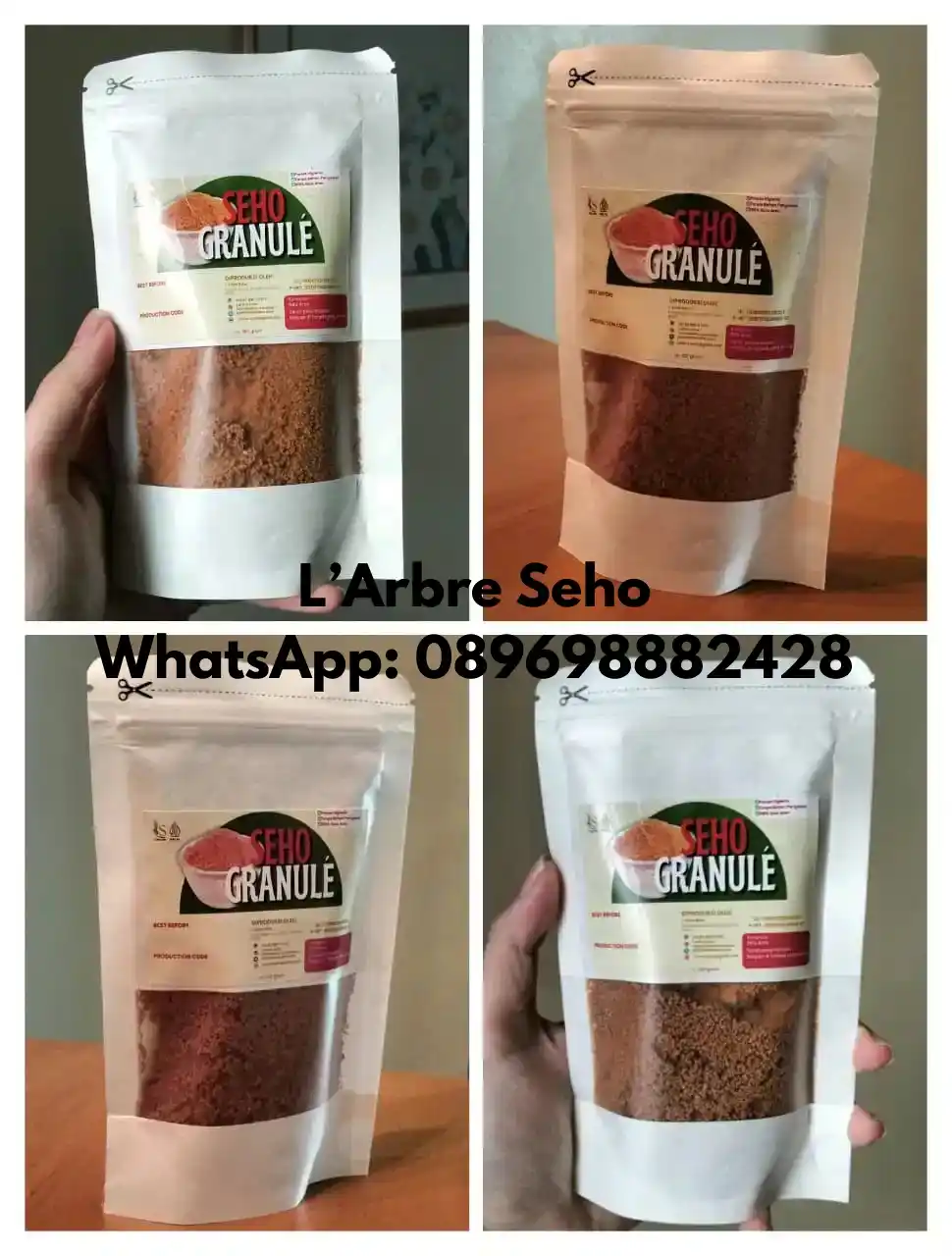
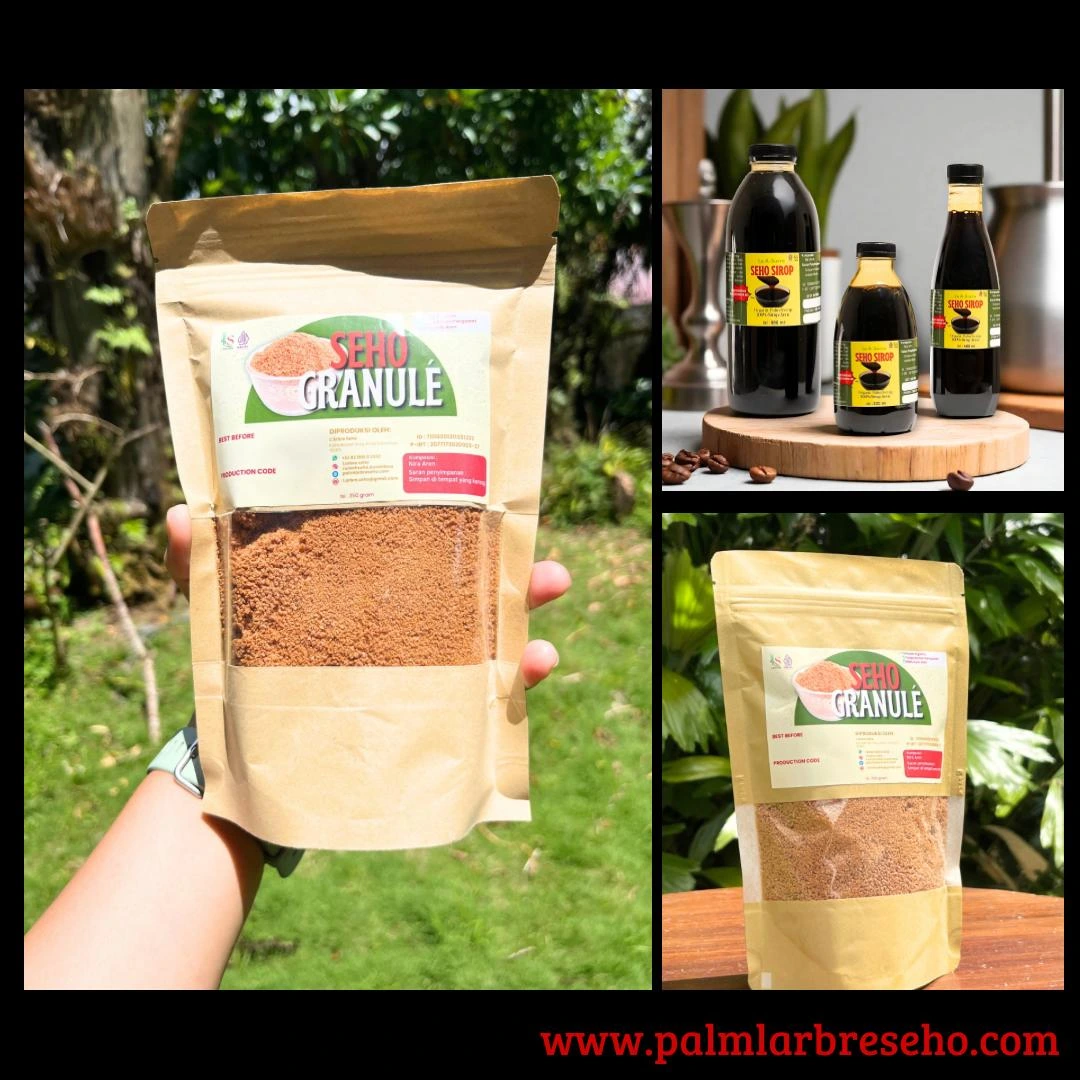
Granulated Palm Sugar
This fine, dry form is ideal for baking and dry mixing. It dissolves easily in dough and batter, making it suitable for cakes, cookies, and pastries.
Palm Sugar Syrup
This liquid form is commonly used in beverages, sauces, and marinades. It blends smoothly and provides consistent sweetness without requiring additional dissolution.
Cube or Block Palm Sugar
Traditional palm sugar is often molded into solid blocks or cubes. These are used in classic recipes where the sugar is gently melted, creating a soft outer texture while still offering a slight bite inside.
Each type serves a specific functional purpose in cooking and food production.
Taste Profile of Palm Sugar
Palm sugar is known for its warm, caramel-like sweetness.
Compared to refined white sugar, it offers:
-
A smoother sweetness
-
Subtle toffee and roasted notes
-
Less sharp or artificial taste
This flavor depth enhances both sweet and savory dishes. It complements coffee, tea, sauces, desserts, and traditional foods without overpowering other ingredients.
The taste may vary slightly depending on the palm species and production method, but the overall profile remains rich and balanced.
Global Uses of Palm Sugar
Palm sugar is used across many cultures and cuisines.
In Southeast Asia, it is essential for traditional desserts, sauces, and beverages. In South Asia, it is used in sweets and herbal drinks. African and Middle Eastern cuisines also incorporate palm-based sweeteners in various forms.
In modern global markets, palm sugar is increasingly used in:
-
Ready-to-drink beverages
-
Coffee and tea drinks
-
Bakery products
-
Sauces and marinades
-
Plant-based and functional foods
Its natural origin and flavor complexity make it attractive for both traditional and contemporary food applications.
Palm Sugar in the Beverage Industry
Palm sugar syrup is especially popular in beverage formulations.
It dissolves easily, integrates smoothly, and adds gentle sweetness with a clean finish. This makes it suitable for:
-
RTD teas and coffees
-
Herbal and botanical drinks
-
Milk-based beverages
-
Specialty café drinks
Palm sugar helps create balanced flavor profiles without masking other ingredients.
Another article : Why manufacture choose premium palm syrup for their product
Palm Sugar in Bakery and Desserts
Granulated palm sugar works well in baking.
It provides consistent sweetness, even distribution, and a slightly caramelized flavor that enhances cakes, cookies, and pastries. Its natural taste adds depth to desserts without excessive sweetness.
Traditional palm sugar blocks are still widely used in regional desserts, where texture and melting behavior are part of the culinary experience.
Why Palm Sugar Is Gaining Global Popularity
Palm sugar aligns with modern food trends.
Consumers increasingly prefer:
-
Natural ingredients
-
Less processed sweeteners
-
Authentic flavors
-
Transparent sourcing
Palm sugar meets these expectations through its simple production process and distinctive taste. It offers a balance between tradition and modern functionality.
PT. Rumah Seho Nusantara: Supplying Palm Sugar for Global Markets
Understanding palm sugar explained helps buyers choose the right ingredient format.
As a manufacturer and supplier of palm sugar from Indonesia, PT. Rumah Seho Nusantara provides granulated palm sugar, palm sugar syrup, and traditional cube forms to support global food and beverage applications. Our focus on quality consistency and product knowledge ensures reliable performance across different markets.
We help partners use palm sugar effectively in modern and traditional products.
Palm sugar is more than just a sweetener.
With multiple types, a rich flavor profile, and diverse global uses, it plays an important role in both traditional cuisine and modern food production. Whether used in beverages, bakery, sauces, or desserts, palm sugar offers natural sweetness with depth and versatility.
As global demand for authentic and natural ingredients continues to grow, palm sugar remains a valuable and adaptable choice for the future of food and beverage.
For More Information : +62 896 9888 2428 (WhatsApp)