Seho Sirop for Ready-to-Drink Beverage Development: Key Formulation Considerations
The ready-to-drink (RTD) beverage industry continues to create opportunities for manufacturers to introduce distinctive flavors, new product concepts, and innovative ingredient combinations.
From bottled coffee and flavored milk to fruit beverages, chocolate drinks, and specialty teas, consumers have access to an increasingly diverse range of products. For manufacturers, this creates a constant need to explore ingredients that can support product differentiation while meeting commercial production requirements.
One ingredient worth exploring is palm sugar syrup.
Traditionally associated with Indonesian food and beverages, palm sugar syrup offers more possibilities than simply sweetening coffee. Its characteristic flavor, liquid format, and potential versatility make it an interesting ingredient to evaluate across different beverage concepts and selected food applications.
Seho Sirop by L’Arbre Seho is an Indonesian liquid Arenga palm sugar product that can be explored in beverage development, including ready-to-drink formulations, specialty drinks, and creative applications such as toppings, drizzles, and glazing.
But what makes palm syrup interesting for beverage manufacturers? How can it be incorporated into different product categories? And what should R&D teams consider before using it in commercial production?
This article explores the formulation opportunities and technical considerations of Seho Sirop.
1. Why Seho Sirop Is Worth Exploring for Beverage Formulation
An ingredient’s value in product development depends on more than its basic function. It should also contribute to the product’s sensory characteristics, support the intended formulation, and offer practical application opportunities.
Seho Sirop provides several characteristics worth evaluating.
A Distinctive Flavor Profile
Palm sugar syrup has characteristic sweetness and caramel-like flavor notes. These qualities can complement ingredients such as coffee, cocoa, milk, tea, coconut, and selected fruit-based formulations.
For manufacturers, this creates opportunities to develop beverages with a different flavor profile from products using conventional sweeteners alone.
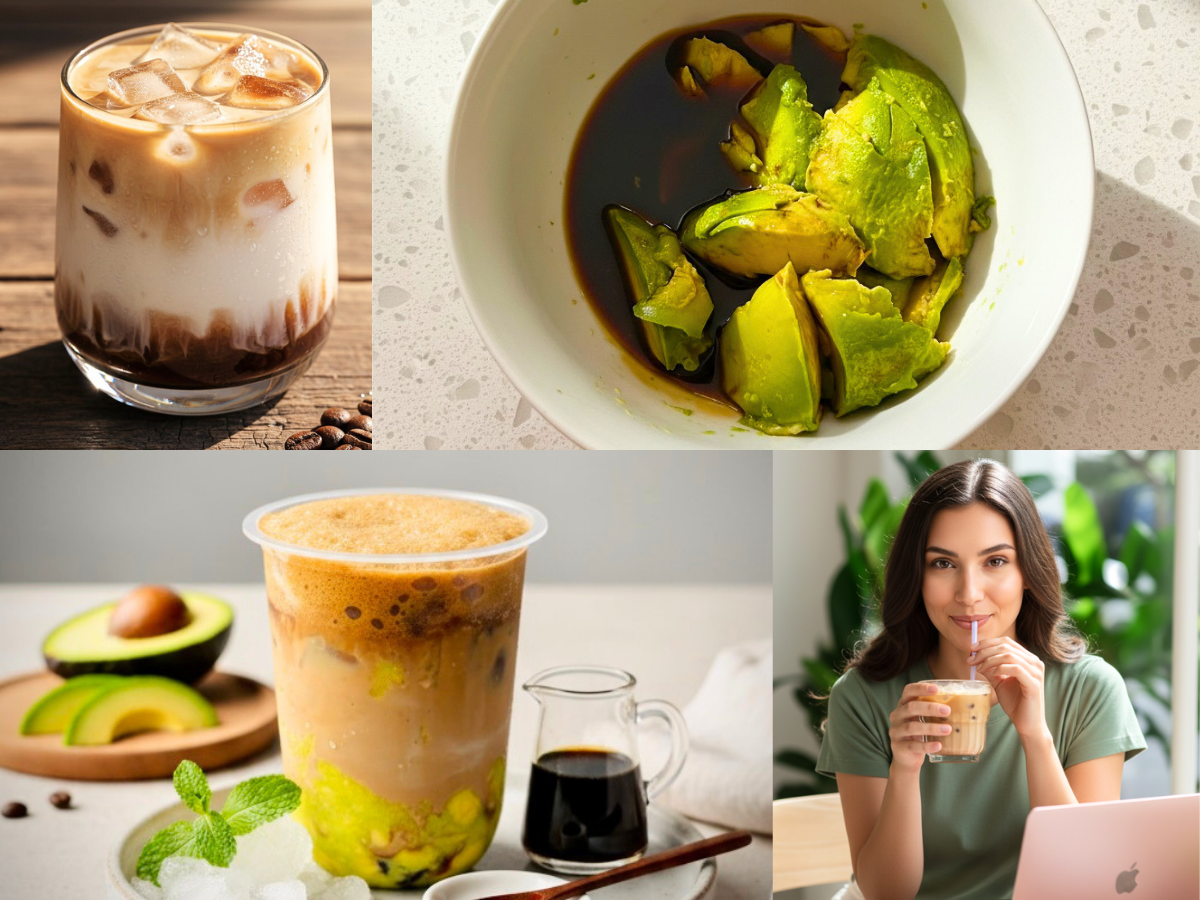
For example, a bottled coffee manufacturer can explore Seho Sirop to create a palm sugar coffee concept. A chocolate beverage producer can evaluate how its flavor complements cocoa. A tea manufacturer can experiment with combinations of tea, milk, and palm syrup.
The final flavor will depend on the formulation, ingredient ratios, and processing conditions.
Liquid Format for Flexible Applications
Unlike granulated or solid palm sugar, Seho Sirop is already in liquid form.
This makes it an interesting option for manufacturers developing recipes that require liquid sweeteners or syrups.
Depending on the production setup, a liquid ingredient may be easier to measure, dispense, and incorporate into beverage formulations than a solid sweetener that first requires dissolution.
It can also be evaluated in applications where syrup is used as a separate component, such as beverage layers, drizzles, and toppings.
An Indonesian Agricultural Ingredient
Seho Sirop is made from the sap of the Arenga palm (Arenga pinnata), a tropical palm found in Indonesia and other parts of Southeast Asia.
For brands interested in developing products around Indonesian ingredients, this creates an opportunity to incorporate a locally sourced agricultural product into contemporary beverage concepts.
The ingredient can also support product storytelling, provided information about its origin and production is accurate and properly documented.
2. Beyond Coffee: Exploring Different Beverage Applications
One common misconception about palm syrup is that it is primarily intended for coffee.
In reality, its potential applications can extend to several beverage categories. The key is understanding how its flavor and physical characteristics interact with other ingredients.
A. Ready-to-Drink Coffee
Coffee is a natural starting point for evaluating palm syrup.
Seho Sirop can be explored in:
- Bottled palm sugar latte.
- Ready-to-drink iced coffee.
- Milk coffee formulations.
- Espresso-based beverage concentrates.
- Specialty coffee beverages.
Its characteristic flavor notes can complement coffee and provide an alternative to conventional sweetening approaches.
During formulation, R&D teams should evaluate sweetness balance, coffee intensity, color, and mixing performance.
For bottled products, additional testing is necessary to understand how the syrup performs during processing and storage.
B. Tea-Based Beverages
Tea offers another opportunity for creative palm syrup formulations.
Manufacturers can explore Seho Sirop in:
- Ready-to-drink milk tea.
- Iced tea.
- Black tea beverages.
- Specialty herbal tea drinks.
- Fruit and tea combinations.
Palm syrup can introduce a different sweetness profile while complementing selected tea ingredients.
For delicate tea varieties, however, the syrup’s flavor should be carefully balanced so that it does not overpower the tea’s natural characteristics.
C. Chocolate and Cocoa Beverages
Chocolate and palm sugar are an interesting combination for beverage development.
Seho Sirop can be evaluated in:
- Ready-to-drink chocolate milk.
- Iced chocolate beverages.
- Chocolate coffee drinks.
- Cocoa-based beverage concentrates.
- Specialty chocolate drinks.
The characteristic flavor of palm syrup may complement cocoa and create a distinctive sensory experience.
Manufacturers should test different dosage levels to determine the right balance between sweetness, cocoa intensity, and the desired beverage profile.
D. Milk-Based and Plant-Based Beverages
Milk-based formulations provide another potential application.
Seho Sirop can be explored in flavored milk, specialty milk drinks, and selected plant-based beverage concepts.
The main consideration is ingredient compatibility.
R&D teams should assess how the syrup behaves when combined with the chosen milk or plant-based ingredients, particularly regarding mixing, appearance, sensory characteristics, and finished product stability.
E. Fruit-Based and Creative Beverages
Palm syrup can also be explored in selected fruit-based beverages and creative drink concepts.
For example, manufacturers can test combinations involving:
- Coconut-based drinks.
- Mango beverages.
- Banana-based drinks.
- Tropical fruit blends.
- Fruit and tea combinations.
- Specialty non-alcoholic beverages.
The flavor profile of each fruit should be considered when determining the appropriate syrup dosage.
Some fruit formulations may benefit from a subtle palm sugar note, while others may require a lighter application to preserve their fresh and fruity character.
These possibilities demonstrate that Seho Sirop should not be limited to coffee development. It can be evaluated across multiple beverage categories according to the intended product concept.
3. Explore Creative Applications: Toppings, Drizzles, and Glazing
Beyond being incorporated directly into beverages, palm syrup can also be explored as a component in creative product applications.
This opens additional opportunities for manufacturers developing specialty beverages, café ingredients, dessert beverages, and hybrid food and beverage products.
A. Beverage Toppings
Seho Sirop can be evaluated as a topping for selected beverage concepts.
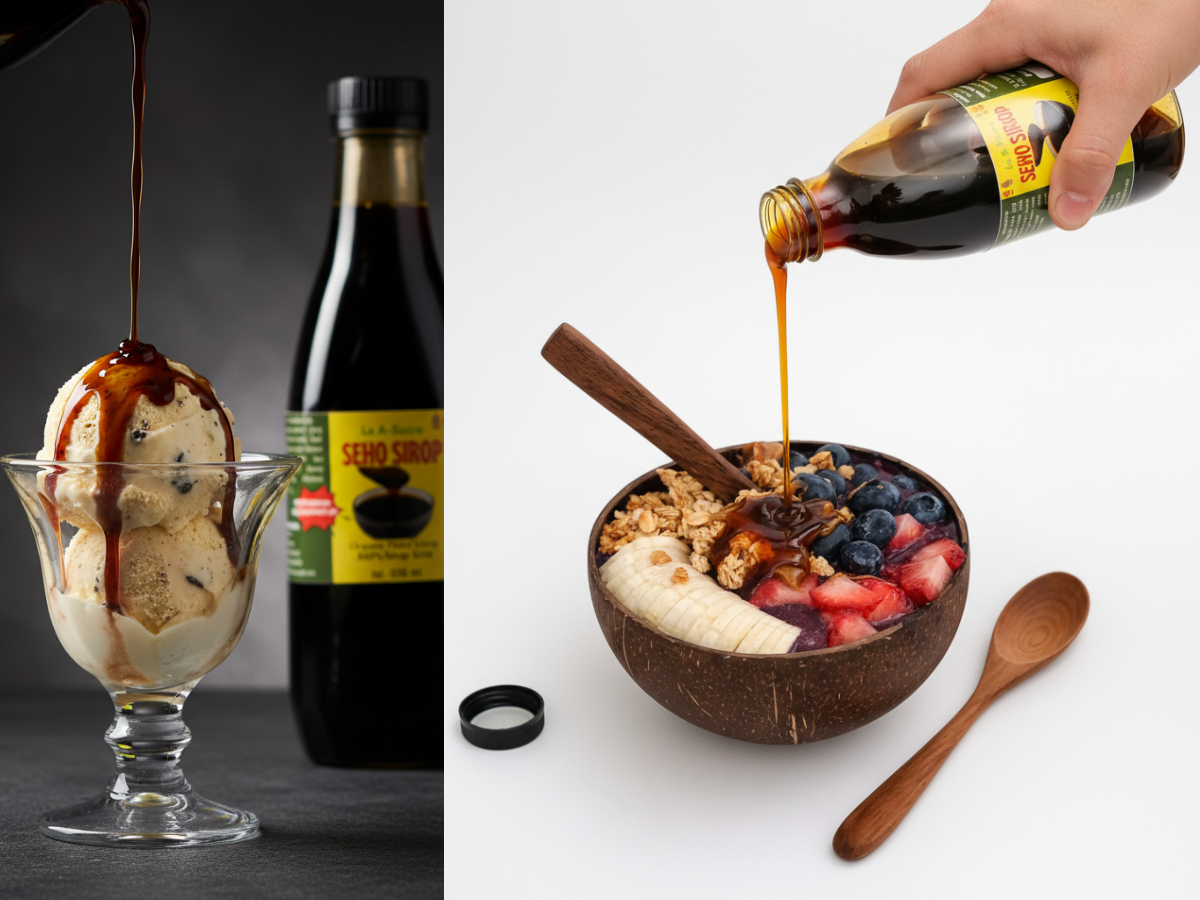
For example, it may be incorporated into specialty milk drinks, chocolate beverages, or dessert-inspired drinks where a syrup component contributes additional flavor.
The formulation can be adjusted depending on the intended application.
Manufacturers should consider the syrup’s viscosity, dosage, and interaction with other beverage components.
B. Drizzles and Decorative Applications
Palm syrup can also be explored as a drizzle for beverage presentation.
Potential applications include:
- Drizzle inside beverage cups.
- Surface decoration for specialty drinks.
- Finishing syrup for dessert beverages.
- Flavor accents in layered beverages.
This application can provide both visual and sensory value.
However, the syrup’s flow behavior and adhesion to the cup or beverage surface should be tested to achieve the desired appearance.
C. Glazing Applications
Another opportunity is using palm syrup in selected glazing formulations.
For example, manufacturers may evaluate it as part of a glaze for:
- Dessert toppings.
- Bakery products.
- Sweet pastry applications.
- Dessert-style beverage accompaniments.
In these applications, Seho Sirop may serve as an ingredient in a larger formulation rather than being used alone.
Its performance will depend on the other ingredients, heating conditions, concentration, and desired finishing characteristics.
Manufacturers should conduct formulation trials to determine whether the syrup delivers the required consistency, appearance, and flavor.
D. Dessert and Beverage Combinations
The growing overlap between beverage and dessert concepts creates opportunities for creative product development.
Palm syrup can be explored in products such as dessert-inspired milk drinks, chocolate beverages with syrup layers, and specialty beverages served with complementary toppings.
These concepts can help brands develop products that offer more than a conventional drinking experience.
The important point is to evaluate Seho Sirop according to the specific application. A syrup used inside a beverage may require different formulation characteristics from one used as a decorative drizzle or glaze.
4. Key Formulation Considerations for Ready-to-Drink Beverages
Although palm syrup offers several application opportunities, successful commercial use requires proper formulation evaluation.
An ingredient that works in a freshly prepared beverage may behave differently in a bottled product that undergoes industrial processing and extended storage.
Here are six technical considerations for R&D teams.
Brix and Sweetness Contribution
Brix is commonly used to indicate the concentration of soluble solids in a liquid product.
For beverage manufacturers, this information helps calculate the contribution of palm syrup to a formulation.
When developing an RTD beverage, determine the required syrup dosage based on the desired sweetness, overall flavor profile, and other formulation ingredients.
Do not rely on dosage assumptions from unrelated recipes. Conduct trials using the actual product specifications.
Viscosity and Flow Characteristics
Viscosity influences how easily the syrup flows during dispensing, pumping, and mixing.
It also becomes important when the product is intended for toppings, drizzles, or glazing.
Manufacturers should evaluate whether the syrup is compatible with their equipment and intended application.
If viscosity is a critical requirement, establish a consistent testing method and conditions.
Flavor Compatibility
The syrup should complement the other ingredients rather than dominate the finished product.
This is especially important in formulations involving tea, fruit, cocoa, and specialty flavor systems.
Conduct sensory trials using different ingredient ratios to establish the preferred formulation.
Mixing and Dispersion
Manufacturers should evaluate how the syrup incorporates into the complete beverage formulation.
Observe whether the mixing process produces a consistent product and whether additional processing steps are required.
The appropriate approach depends on the formulation, equipment, and production conditions.
Processing Compatibility
RTD beverages may undergo different processing methods depending on their product category and intended shelf life.
Manufacturers should evaluate how the syrup performs under the actual processing conditions, including relevant heating or other treatment steps.
Any effect on flavor, color, physical characteristics, or finished product quality should be assessed during product development.
Stability and Shelf-Life Evaluation
A successful initial formulation does not automatically establish commercial shelf life.
Finished beverage stability must be evaluated using appropriate testing protocols under the intended packaging and storage conditions.
Depending on the product, this may include monitoring sensory characteristics, physical stability, microbiological quality, and other relevant parameters.
These evaluations are essential before commercial launch.
5. Standardize Formulations for Consistent Production
Once the preferred formulation has been identified, manufacturers need to standardize the process.
This is particularly important when production volumes increase or beverages are manufactured across multiple production lines.
A standardized formulation should document:
- The exact amount of Seho Sirop used.
- The quantity of other ingredients.
- Mixing sequence.
- Processing conditions.
- Relevant quality parameters.
- Finished product acceptance criteria.
For topping and glazing applications, the documentation should also define the intended consistency, application quantity, and preparation method.
Standardization helps reduce unnecessary variation between production batches.
It also allows procurement teams to estimate ingredient requirements more accurately and plan future purchasing volumes.
6. What Beverage Manufacturers Should Check Before Sourcing Seho Sirop
Selecting an ingredient for industrial production requires technical and commercial evaluation.
Before purchasing Seho Sirop in larger quantities, manufacturers should review several factors.
Product Specifications
Request the available technical specification sheet, including relevant Brix information, composition, and other quality parameters.
Quality Documentation
Review available COA results and batch identification information.
Sample Evaluation
Conduct sensory and application trials using the actual beverage or topping formulation.
Packaging Requirements
Discuss available packaging formats and determine whether they are suitable for storage, handling, and production equipment.
Supply Capacity
Understand production capacity, order requirements, and the supplier’s ability to support recurring purchases.
Lead Time and Logistics
Clarify order preparation time, delivery arrangements, shipping responsibilities, and applicable commercial terms.
Quality Acceptance Criteria
Agree on the product specifications that future deliveries are expected to meet.
A structured evaluation helps manufacturers determine whether the ingredient is suitable for their technical, operational, and purchasing requirements.
Why Choose Seho Sirop for Beverage Innovation?
Seho Sirop is part of L’Arbre Seho’s range of Indonesian Arenga palm sugar products.
L’Arbre Seho is a brand of PT. Rumah Seho Nusantara, an Indonesian palm sugar manufacturer and exporter.
What makes Seho Sirop interesting for beverage development is its potential to be explored across different applications.
Rather than positioning it exclusively as a coffee sweetener, manufacturers can evaluate its use in:
- Ready-to-drink coffee.
- Bottled milk beverages.
- Chocolate and cocoa drinks.
- Tea-based beverages.
- Tropical fruit beverages.
- Specialty and dessert-inspired drinks.
- Beverage toppings and drizzles.
- Selected glazing and dessert applications.
Its liquid format also provides flexibility for product development involving liquid syrup ingredients.
For manufacturers, the opportunity lies in discovering how the product can contribute to different formulations while meeting the required technical and commercial specifications.
Seho Sirop offers an opportunity to bring Indonesian Arenga palm sugar into new beverage concepts and creative product applications.
Conclusion
The potential of palm sugar syrup in beverage manufacturing extends far beyond coffee.
With its characteristic flavor profile and liquid format, Seho Sirop can be explored in ready-to-drink coffee, tea, chocolate, milk-based beverages, tropical drinks, and creative applications such as toppings, drizzles, and glazing.
However, successful commercial formulation requires more than selecting an interesting ingredient. Manufacturers must evaluate Brix, viscosity, flavor compatibility, mixing behavior, processing performance, and finished product stability.
By conducting systematic application trials and establishing standardized formulations, beverage manufacturers can identify new opportunities for product development.
PT. Rumah Seho Nusantara, through its L’Arbre Seho brand, offers Seho Sirop, an Indonesian Arenga palm syrup product for businesses exploring new possibilities in commercial beverage development.
Whether you are developing bottled coffee, specialty tea, chocolate beverages, or creative drink concepts, Seho Sirop is worth exploring as part of your next product formulation.
Contact L’Arbre Seho to discuss product specifications, samples, packaging options, and potential sourcing arrangements for your beverage manufacturing business.
Contact Us
PT. Rumah Seho Nusantara – L’Arbre Seho
- Website: www.palmlarbreseho.com
- Email: export@palmlarbreseho.com
- WhatsApp: +62 896 9888 2428
- Instagram: @rsn_indonesia
Contact our team to learn more about Seho Sirop and explore potential ingredient sourcing opportunities.