Introduction: The Misleading Comfort of “Natural”
In today’s food and beverage industry, the term “natural” carries strong appeal.
Consumers associate it with health, authenticity, and quality. As a result, manufacturers increasingly incorporate natural ingredients into their products.
However, this perception creates a dangerous assumption.
Many buyers believe that all natural sweeteners deliver similar benefits.
In reality, this assumption is flawed.
Not every product labeled as “natural” meets industrial performance standards.
Therefore, understanding the differences within natural sweeteners becomes essential for manufacturers and importers.
Natural Does Not Mean Consistent
Natural ingredients originate from biological sources.
Because of this, they inherently carry variability.
Factors such as climate, harvesting conditions, and raw material quality influence the final product.
Without proper control, this variability leads to inconsistent performance.
For example, sweetness intensity may fluctuate. Meanwhile, viscosity may change between batches.
As a result, formulations become unstable.
Therefore, not all natural sweeteners provide the consistency required for industrial production.
The Hidden Risk of Poor Processing
Processing determines whether a natural ingredient becomes reliable.
Without controlled production systems, natural sweeteners may retain impurities or inconsistent characteristics.
For instance, insufficient evaporation can leave excess moisture.
This condition increases fermentation risk and reduces shelf-life stability.
In addition, poor hygiene during processing may introduce microbial contamination.
Therefore, the quality of natural sweeteners depends heavily on how they are produced.
Moisture and Dilution: The Invisible Cost
Moisture content plays a critical role in sweetener performance.
Higher moisture levels dilute sugar concentration.
As a result, manufacturers must use more product to achieve the same sweetness.
This increases formulation cost.
In addition, excess moisture creates conditions for microbial growth.
Therefore, buyers who focus only on price may overlook hidden dilution.
Among natural sweeteners, those with poor moisture control often generate higher long-term costs.
Fermentation Risk in Natural Sweeteners
Natural sweeteners contain organic compounds that may support microbial activity.
If production and storage conditions are not controlled, fermentation may occur.
This risk becomes more significant during long-distance shipping.
Fermentation can lead to:
- gas formation
- off-flavors
- product spoilage
Therefore, not all natural sweeteners are suitable for global supply chains.
Reliable products require strict control over processing and storage conditions.
Inconsistent Flavor Profiles
Flavor consistency is essential for maintaining product quality.
However, natural sweeteners often exhibit variations in taste.
Differences in mineral composition and processing conditions influence flavor characteristics.
As a result, products may taste different between batches.
This inconsistency affects consumer perception.
Therefore, manufacturers must evaluate flavor stability when selecting natural sweeteners.
Functional Performance in Industrial Applications
Natural origin alone does not guarantee functional performance.
Sweeteners must integrate smoothly into formulations.
They must behave predictably during mixing, heating, and storage.
However, some natural sweeteners lack this stability.
For example, inconsistent viscosity may disrupt processing.
Similarly, unstable concentration may affect sweetness balance.
Therefore, not all natural sweeteners meet industrial requirements.
The Gap Between Marketing and Reality
Marketing often emphasizes the benefits of natural ingredients.
However, these claims do not always reflect technical performance.
Some suppliers focus on branding rather than production control.
As a result, buyers may receive products that look appealing but perform poorly.
Therefore, manufacturers must evaluate natural sweeteners beyond marketing claims.
Reliable ingredients are defined by measurable performance, not labels.
Palm Syrup: When Natural Meets Controlled Performance
Palm syrup offers a strong example of how natural ingredients can meet industrial standards.
When produced under controlled conditions, it delivers consistent sweetness and stable viscosity.
In addition, its liquid form supports efficient integration into formulations.
Furthermore, controlled processing reduces fermentation risk.
Because of these factors, palm syrup aligns with both natural and functional requirements.
Therefore, among natural sweeteners, palm syrup stands out when production is properly managed.
Supplier Selection Defines Ingredient Quality
The performance of any natural sweetener depends on the supplier.
Reliable suppliers maintain control over every stage of production.
They define measurable specifications and monitor them consistently.
In contrast, suppliers without technical control introduce variability.
Therefore, selecting the right supplier becomes critical.
Among natural sweeteners, quality is not uniform.
It depends on production discipline and technical expertise.
PT Rumah Seho Nusantara: Controlled Natural Sweetener Production
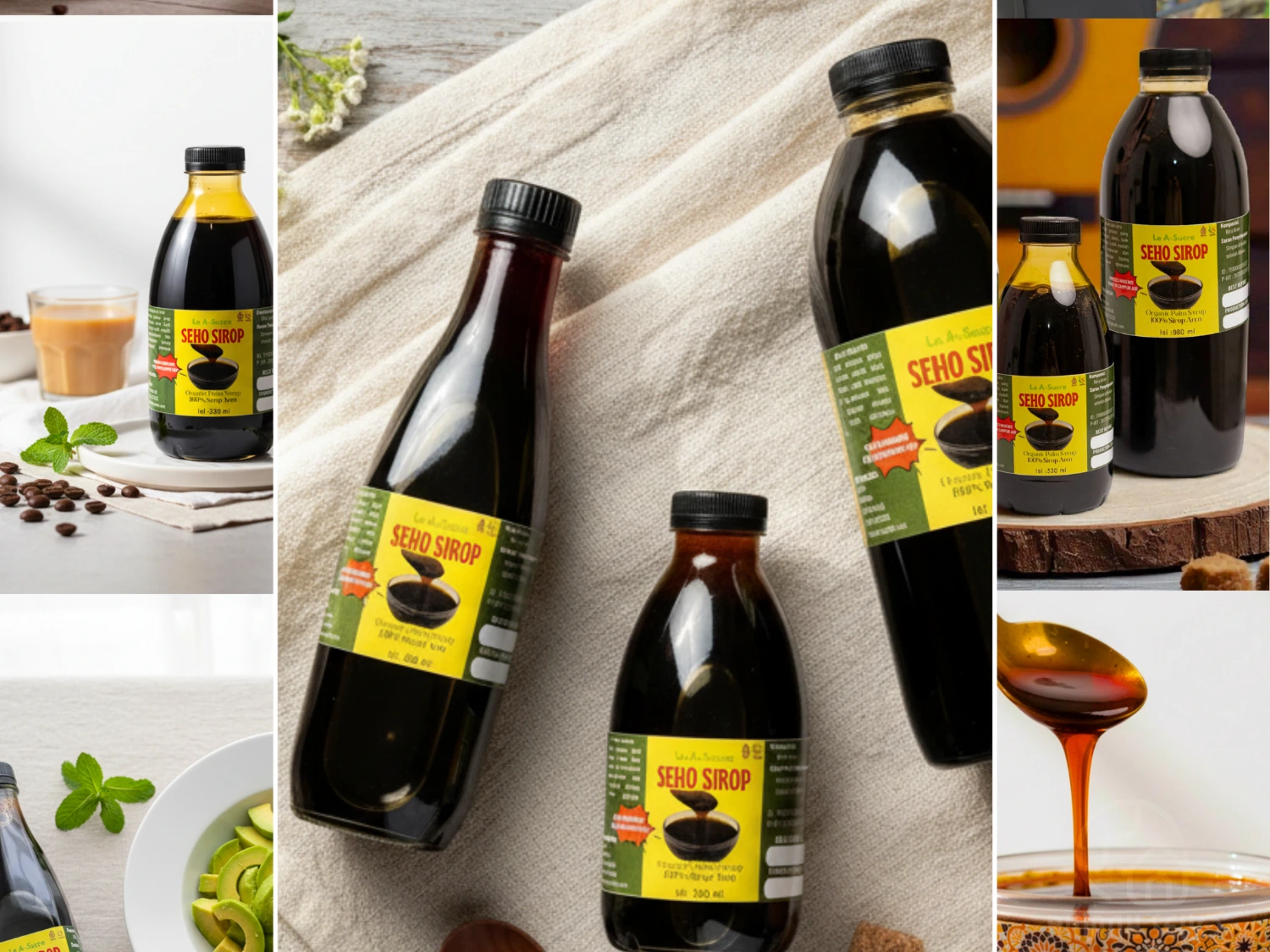
At PT Rumah Seho Nusantara, we approach natural sweetener production with technical precision.
As a premium palm (Arenga) syrup manufacturer and supplier from Indonesia, we focus on delivering consistent and reliable products.
We control the process from sap collection to final packaging.
We maintain measurable specifications to ensure stable performance.
Our parameters include:
Moisture: Max 25%
Fat Content: Max 2.5%
Ash Content: 1.10 – 1.15%
These specifications ensure:
- consistent sweetness
- balanced mineral composition
- predictable viscosity
- reduced fermentation risk
In addition, our hygienic production systems support global supply requirements.
Through disciplined control, we transform a natural ingredient into a reliable industrial solution.
The Strategic Perspective: Choosing Performance Over Perception
Ingredient selection should not rely on perception alone.
Manufacturers must evaluate both natural origin and functional performance.
Natural sweeteners that lack consistency create risk.
In contrast, controlled ingredients support efficiency and stability.
Therefore, buyers must shift their focus.
Choosing the right natural sweeteners requires understanding both science and production systems.
Conclusion: Not All Natural Is Equal
The term “natural” does not guarantee quality.
Instead, quality depends on control, consistency, and technical understanding.
Manufacturers who recognize this difference can make better sourcing decisions.
Therefore, not all natural sweeteners are worth buying.
Those that combine natural origin with controlled performance deliver real value.
For global manufacturers, this distinction defines success.
Contact Us
For more information about our palm (Arenga) syrup and bulk supply capabilities:
🌐 Website: www.palmlarbreseho.com
📞 Phone / WhatsApp: +62 896 9888 2428