Palm sugar and brown sugar are often mistaken for the same ingredient. Their similar color and sweetness lead many consumers and even some buyers to assume they are interchangeable.
In reality, palm sugar and brown sugar come from very different raw materials and production processes. These differences affect flavor, texture, and how each sugar performs in food and beverage applications.
Understanding palm sugar vs brown sugar helps businesses, chefs, and buyers make more informed ingredient choices and avoid misconceptions that can impact product quality.
What Is Palm Sugar?
Palm sugar is a natural sweetener produced from the sap of palm trees. The sap is collected and gently heated to concentrate its natural sugars into solid or liquid forms.
Scientific reviews on palm sap sugars explain that this process preserves many of the sap’s natural characteristics, including flavor complexity and aroma, as discussed in peer-reviewed literature on palm sugar production and processing:
https://pmc.ncbi.nlm.nih.gov/articles/PMC10073893/
Because palm sugar is derived directly from plant sap and processed through concentration rather than refinement, it is generally considered a minimally processed sweetener.
What Is Brown Sugar?
Brown sugar is fundamentally different. It is produced from refined white sugar with molasses added back after the refining process.
According to Encyclopaedia Britannica, brown sugar gets its color and flavor from molasses content rather than from the original plant sap itself:
👉 https://www.britannica.com/dictionary/brown-sugar
Molasses itself is defined as a thick syrup remaining after sugar extraction, which is later blended with refined sugar to create brown sugar:
👉 https://www.britannica.com/topic/molasses
This means brown sugar is not a direct sap-based product, but a refined sugar with added components.
Differences in Raw Materials and Processing
The most fundamental difference between palm sugar vs brown sugar lies in their origins.
Palm sugar comes directly from palm sap and undergoes a relatively simple heating and concentration process. Brown sugar, on the other hand, begins as refined cane or beet sugar and is later mixed with molasses.
These distinct production pathways explain why the two sugars behave differently in taste, texture, and functional performance.
Taste and Flavor Profile
Palm sugar is known for its smooth, rounded sweetness and natural caramel undertones. The flavor tends to be less sharp and more complex compared to brown sugar.
Brown sugar has a more pronounced molasses flavor, which can be stronger and sometimes overpowering depending on the recipe.
For businesses and food professionals, these flavor differences matter when consistency and taste balance are important.
Texture, Moisture, and Appearance
Palm sugar is available in various forms, including molded blocks, granules, and syrup. Its texture depends on processing style and intended application.
Brown sugar is typically moist and granular due to the molasses content. This moisture affects how it behaves in baking and cooking.
Although both sugars may appear similar in color, their physical properties and performance differ significantly
Applications in Food and Beverage Products
Palm sugar and brown sugar are used differently depending on the desired outcome.
Palm sugar is often chosen for beverages, sauces, and products that benefit from a natural sweetness and mild caramel flavor. Brown sugar is commonly used in baking for its moisture retention and molasses notes.
Understanding palm sugar vs brown sugar helps businesses select the right ingredient based on functionality rather than appearance.
Common Misconceptions in the Market
A common misconception is that palm sugar is simply a natural version of brown sugar. While both are sweeteners, they are not interchangeable in all applications.
Replacing one with the other without adjusting formulations can affect taste, texture, and product consistency. Clear understanding reduces formulation errors and improves product outcomes
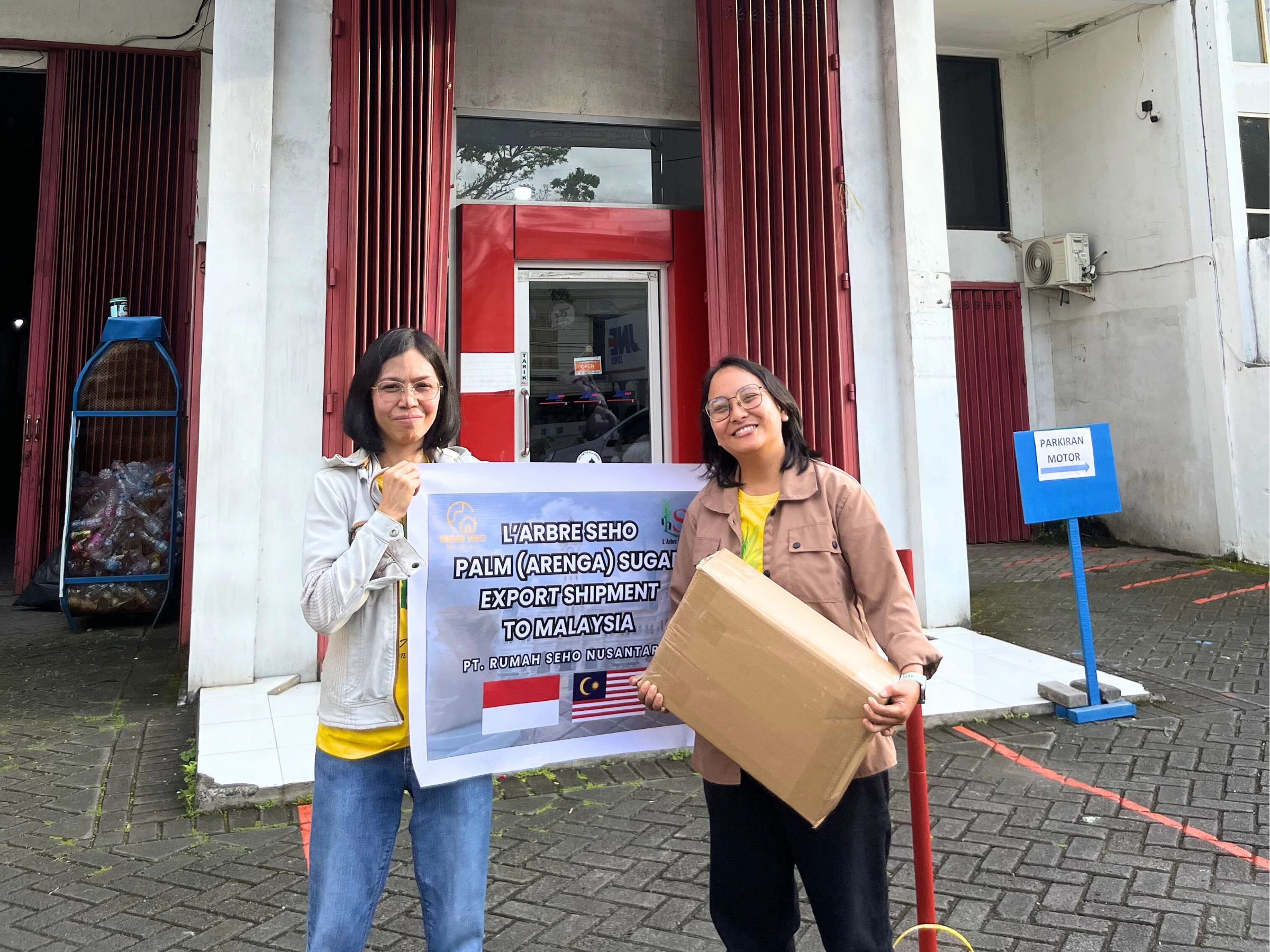
As a manufacturer and supplier of palm sugar from Indonesia, L’Arbre Seho – PT Rumah Seho Nusantara provides palm sugar produced with careful attention to raw material integrity, processing hygiene, and consistent quality management.
Palm sugar and brown sugar may look similar, but they are fundamentally different products. Their raw materials, processing methods, and flavor characteristics set them apart.
Understanding these differences allows businesses and consumers to choose the right sweetener for the right purpose. In food and beverage sourcing, clarity about ingredients leads to better products and stronger trust | Different between arenga sugar vs coconut sugar