Introduction: Control Is What Separates Reliable Suppliers
In global sourcing, selecting the right supplier determines whether production runs smoothly or becomes unpredictable.
Many buyers assume that all suppliers operate with similar standards. However, this assumption often leads to costly mistakes.
Within the palm syrup supplier market, the real difference does not lie in pricing or packaging. Instead, it lies in how deeply a supplier controls their product.
Because palm syrup originates from natural sap, variability exists at every stage. Without proper control, this variability affects sweetness, stability, and consistency.
For this reason, identifying a supplier that truly manages their process becomes essential.
Control vs Distribution: A Critical Distinction
At first glance, all suppliers appear similar. Most offer specifications, samples, and pricing structures.
However, their operating models differ significantly.
Some suppliers act as distributors. They source palm syrup from multiple producers and resell it.
On the other hand, controlled producers manage their own production systems. They oversee raw materials, processing conditions, and final output.
As a result, product consistency differs.
Therefore, evaluating whether a palm syrup supplier produces or only distributes becomes the first critical step.
Indicator 1: Upstream Raw Material Control
Product reliability begins long before processing.
Fresh palm sap changes rapidly after tapping. If handling is not controlled, fermentation can start immediately.
Reliable producers implement hygienic tapping, clean collection systems, and rapid transport.
Because of this, the raw material remains stable before processing begins.
In contrast, suppliers without upstream control cannot guarantee consistent input quality.
Therefore, upstream management becomes a key signal of a reliable palm syrup supplier.
Indicator 2: Controlled Evaporation and Concentration
Evaporation defines the transformation from sap to syrup.
Without controlled evaporation, concentration levels fluctuate and moisture distribution becomes uneven.
Reliable producers monitor temperature, adjust processing time, and measure concentration continuously.
As a result, each batch reaches a consistent Brix level and viscosity.
Meanwhile, uncontrolled systems produce variation that affects performance.
Thus, process discipline in evaporation reflects the technical strength of a palm syrup supplier.
Indicator 3: Repeatable Specifications, Not One-Time Numbers
Specifications alone do not define reliability.
Although suppliers often present data sheets, these numbers represent only a snapshot.
Reliable producers deliver consistent specifications across batches, not just a single test result.
Consistency over time demonstrates process control.
Therefore, when evaluating a palm syrup supplier, buyers should verify repeatability rather than isolated values.
Indicator 4: Moisture Control and Stability
Moisture directly affects both performance and shelf life.
Higher moisture reduces sugar concentration and increases fermentation risk.
Producers who control their systems maintain strict moisture limits and ensure uniform distribution.
Because of this, the syrup remains stable during storage and shipping.
On the contrary, weak moisture control introduces hidden instability.
Thus, moisture management reveals how seriously a palm syrup supplier approaches product reliability.
Indicator 5: Hygiene as a System, Not a Routine
Hygiene plays a decisive role in preventing contamination.
Even high-quality raw materials can become unstable if processing conditions are not controlled.
Reliable suppliers implement structured sanitation protocols, controlled environments, and disciplined handling.
As a result, microbial risk remains low.
In contrast, inconsistent hygiene allows contamination to enter the system.
Therefore, hygiene practices indicate whether a palm syrup supplier truly controls production.
Indicator 6: Batch-to-Batch Consistency
Industrial manufacturing depends on repeatable results.
Each batch must perform identically in formulation and production.
Reliable suppliers monitor key parameters continuously and adjust processes when necessary.
Consequently, every shipment behaves predictably.
Meanwhile, inconsistent suppliers create variability that forces reformulation.
Thus, batch consistency becomes one of the strongest indicators of a reliable palm syrup supplier.
Indicator 7: Technical Understanding of the Product
Knowledge reflects control.
Suppliers who understand their product can explain how each parameter affects performance.
For example, they can clarify how Brix influences viscosity or how moisture impacts stability.
Clear explanations demonstrate technical mastery.
Conversely, vague answers often indicate limited control.
Therefore, evaluating expertise helps identify a capable palm syrup supplier.
Indicator 8: Stability During Shipping
Global supply chains introduce additional challenges.
Palm syrup must remain stable during long transportation periods.
Reliable suppliers design packaging systems that minimize oxygen exposure and protect product integrity.
In addition, they ensure consistent moisture levels before shipping.
Because of this preparation, the product arrives in stable condition.
Thus, shipping performance reveals the real capability of a palm syrup supplier.
Indicator 9: Transparency and Communication
Transparency builds trust.
Reliable suppliers provide clear information about production systems, specifications, and quality control.
They respond to technical questions with clarity and detail.
This openness reflects confidence in their processes.
On the other hand, limited transparency often indicates uncertainty.
Therefore, communication quality becomes an important factor when evaluating a palm syrup supplier.
Indicator 10: System Thinking Over Single Parameters
Advanced suppliers think in systems rather than isolated metrics.
Instead of focusing only on Brix or moisture, they manage the interaction between all variables.
They control raw materials, processing, packaging, and storage as an integrated system.
Because of this approach, stability becomes predictable.
Thus, system thinking defines the highest level of control in a palm syrup supplier.
PT Rumah Seho Nusantara: Controlled Production in Practice
At PT Rumah Seho Nusantara, we apply system-based control across every stage of production.
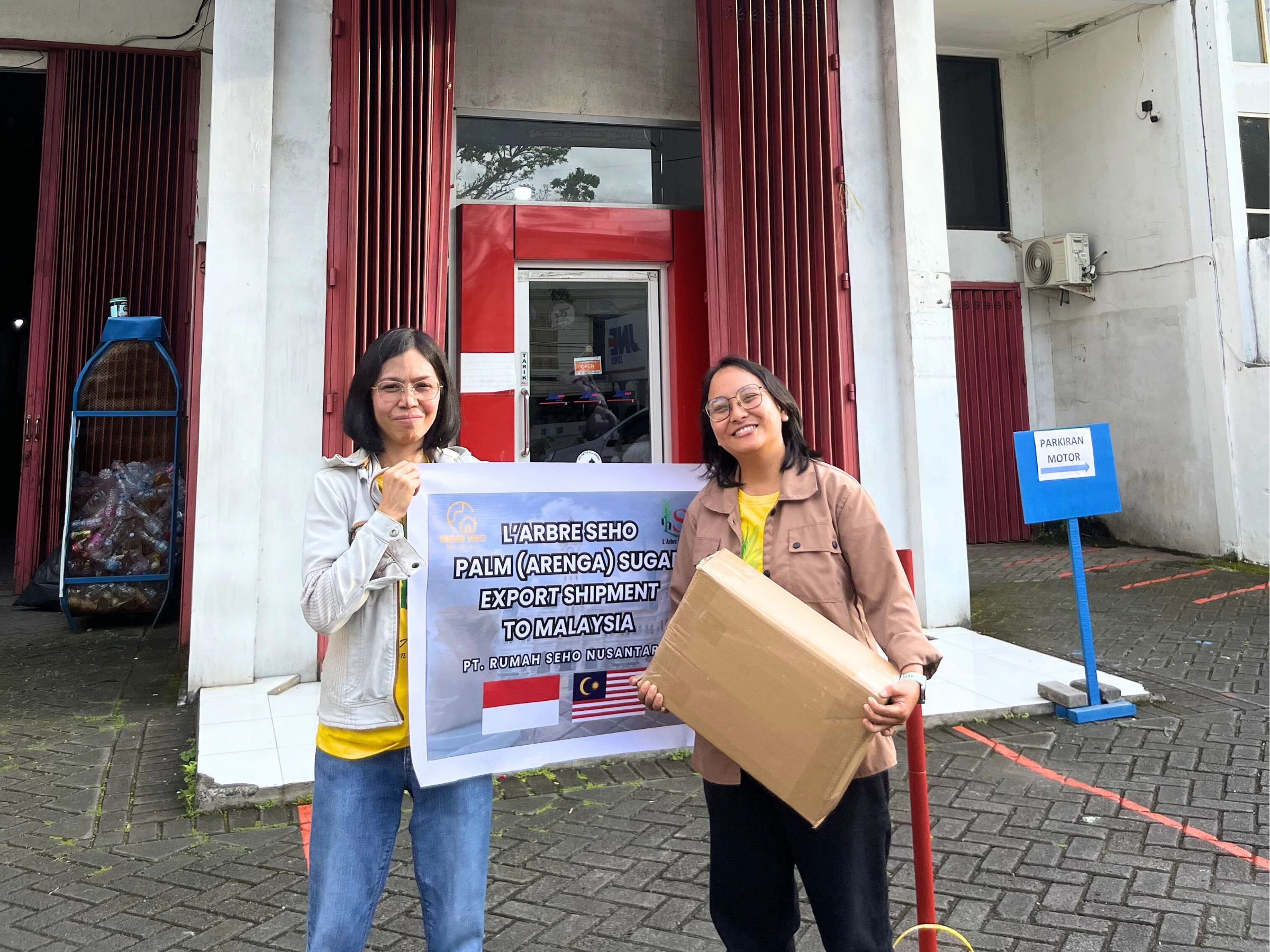
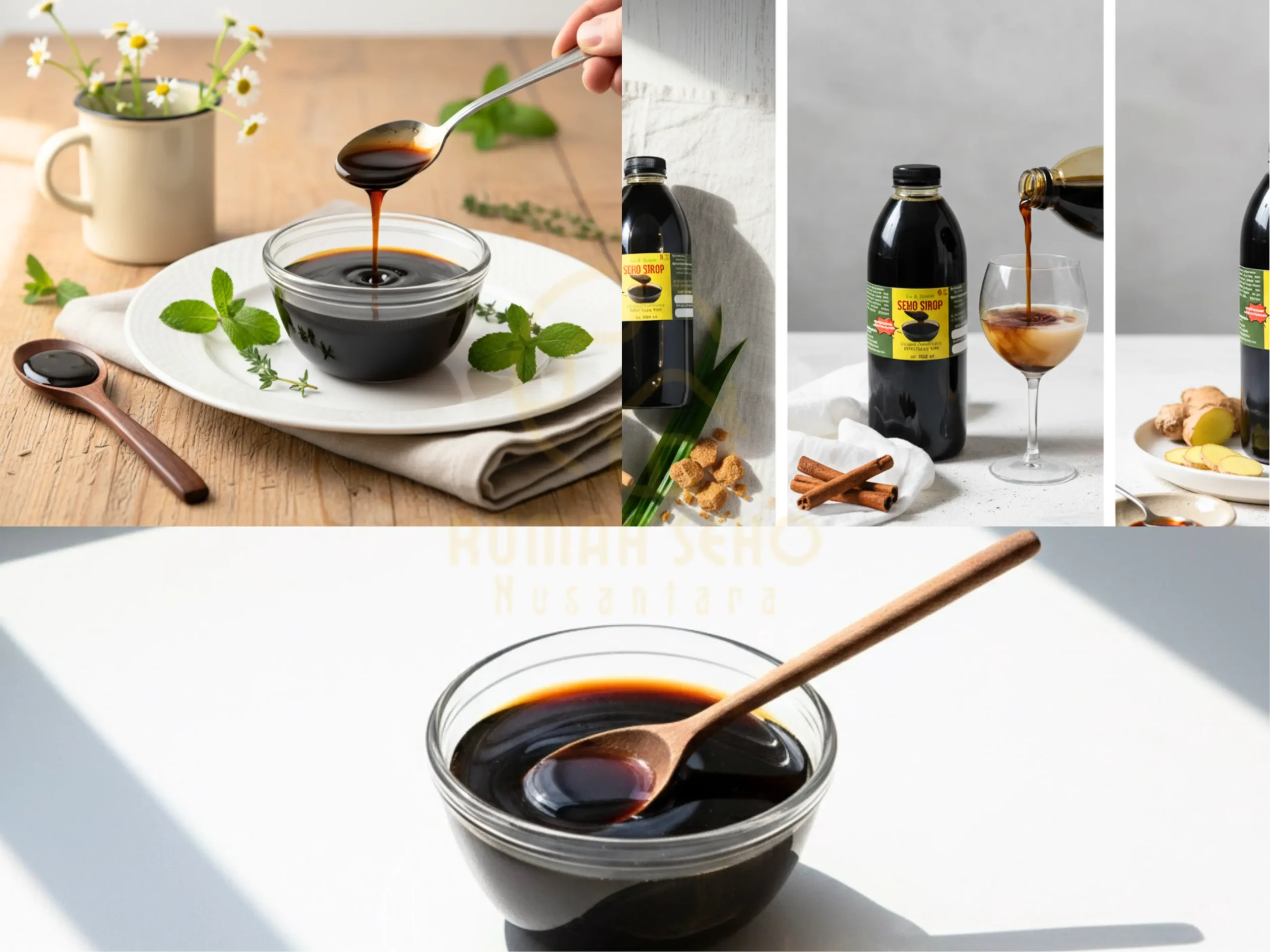
As a premium palm (Arenga) syrup manufacturer and supplier from Indonesia, we manage the process from sap collection to final packaging.
Our approach includes controlled evaporation, strict hygiene, and continuous parameter monitoring.
We maintain measurable specifications:
Moisture: Max 25%
Fat Content: Max 2.5%
Ash Content: 1.10 – 1.15%
These values reflect consistent processes that ensure:
- stable sweetness
- predictable viscosity
- balanced mineral composition
- reduced fermentation risk
Through disciplined control, we deliver reliable palm syrup for global manufacturers.
Conclusion: Real Control Creates Real Reliability
Supplier reliability depends on more than presentation.
Some suppliers distribute products, while others control them.
The difference determines whether the product performs consistently.
Therefore, identifying a true palm syrup supplier requires deeper evaluation.
Buyers should focus on processes, systems, and repeatability rather than isolated specifications.
Ultimately, control defines reliability.
Contact Us
For more information about our palm (Arenga) syrup and global supply capabilities:
🌐 Website: www.palmlarbreseho.com
📞 Phone / WhatsApp: +62 896 9888 2428