Palm Sugar and the Slow Food Movement
In a world where food can be produced faster, cheaper, and on a larger scale, some consumers are beginning to ask a different question.
Who made my food?
They want to know where an ingredient comes from, want to understand how it was produced, and want to know whether their purchase supports the people and communities behind it.
This is where the palm sugar slow food movement connection becomes interesting.
Palm sugar is more than a sweetener. In many communities across Indonesia, its production still depends on local knowledge, manual skills, natural resources, and generations of experience.
That connection makes palm sugar a compelling example of how a traditional ingredient can fit into the values of the Slow Food philosophy.
What Is the Slow Food Movement?
The Slow Food Movement began in Italy in 1986 as a response to the growing influence of fast food and the loss of local food traditions. Today, Slow Food is a global movement active in more than 160 countries. Its philosophy centers on three interconnected principles: good, clean, and fair.
“Good” refers to food with sensory and cultural value.
“Clean” emphasizes food systems that respect ecosystems, biodiversity, and environmental resources.
“Fair” focuses on social justice, including decent conditions and adequate rewards for the people who produce food.
This philosophy does not simply ask consumers to eat slowly.
It encourages them to understand food more deeply.
That includes understanding the producer, the place, the tradition, and the process behind every ingredient.
Palm Sugar Is a Traditional Sweetener With a Story
Palm sugar fits naturally into this conversation because its identity starts with the palm tree.
For traditional Arenga palm sugar, farmers collect sap from Arenga pinnata trees. The work begins in the plantation, often in difficult terrain, where harvesting requires physical effort and practical knowledge.
The farmer must know when and how to collect the sap. The fresh sap then moves into the cooking process, where heat transforms it into a concentrated sweetener.
These steps require experience.
Temperature, timing, concentration, and handling can influence the final characteristics of the product. Traditional knowledge therefore remains an important part of production.
This is very different from treating sugar as an anonymous commodity.
When consumers use artisanal palm sugar, they can trace its story back to a landscape, a farming community, and a traditional production practice.
That story is one reason the slow food traditional sweetener concept has growing appeal among food enthusiasts.
Good: Protecting Authentic Taste
The first connection with Slow Food is good.
Slow Food describes good food through sensory quality, cultural relevance, and the knowledge involved in producing it.
Palm sugar has a distinctive character that comes from its raw material and production process.
Arenga palm sap can develop deep caramel-like notes, earthy aromas, and a rounded sweetness. These characteristics make palm sugar different from refined white sugar.
For chefs, bakers, beverage makers, and food enthusiasts, this difference matters.
The ingredient does not only provide sweetness. It can contribute flavor and identity.
That makes palm sugar especially interesting for people who collect artisanal ingredients or explore traditional food cultures.
Clean: Working With the Character of the Raw Material
The second principle is clean.
For Slow Food, clean food connects production with environmental responsibility, sustainable food systems, and respect for biodiversity.
Palm sugar production begins with an existing agricultural resource: the Arenga palm.
Traditional production can rely heavily on the skill of the farmer rather than extensive industrial intervention. The process can involve harvesting sap, filtering it, and concentrating it through controlled cooking.
However, it is important to avoid an oversimplification.
Traditional does not automatically mean sustainable. Artisanal does not automatically mean environmentally perfect.
The real value comes from how the resource is managed.
Responsible harvesting, protection of the surrounding ecosystem, careful processing, and long-term relationships with farmers can help create a more resilient supply chain.
That distinction matters when discussing the artisanal palm sugar movement.
The goal is not simply to make something by hand. The goal is to preserve valuable knowledge while creating a food system that can continue into the future.
Fair: The Farmer Behind Every Sweetener
The third principle may be the most important.
Fair means recognizing the people behind the food.
Slow Food emphasizes fair treatment, adequate rewards, solidarity, and respect for cultural traditions.
Palm sugar gives consumers an opportunity to see this principle in action.
Behind every bottle of palm syrup or package of granulated palm sugar, there is a farmer who works with the palm trees and the land.
Supporting the palm sugar supply chain can therefore mean supporting rural livelihoods.
When farmers receive sustainable commercial opportunities, traditional knowledge has greater economic value. Younger generations may also have more reasons to recognize agriculture as a viable livelihood.
This creates a connection between food heritage and economic sustainability.
Why Food Heritage Matters
Food heritage is not only about preserving old recipes.
It is also about preserving knowledge.
A traditional ingredient can carry information about geography, agriculture, climate, culture, and community life.
This is why food heritage enthusiasts often look beyond flavor.
They want context, need to know why a product tastes different, want to understand how it is made, and discover the people who continue the tradition.
Palm sugar offers exactly this kind of story.
Its journey begins with the palm tree and continues through the farmer, processor, food maker, and consumer.
Each stage adds another layer to the meaning of the ingredient.
From Local Farmers to Global Food Culture
Interestingly, Slow Food does not require food to remain local forever.
The movement emphasizes stronger relationships between producers, food communities, and consumers. Its work also connects small-scale producers with people around the world.
This creates an interesting opportunity for Indonesian palm sugar.
A product can come from a small farming community in Indonesia and still become part of a global culinary conversation.
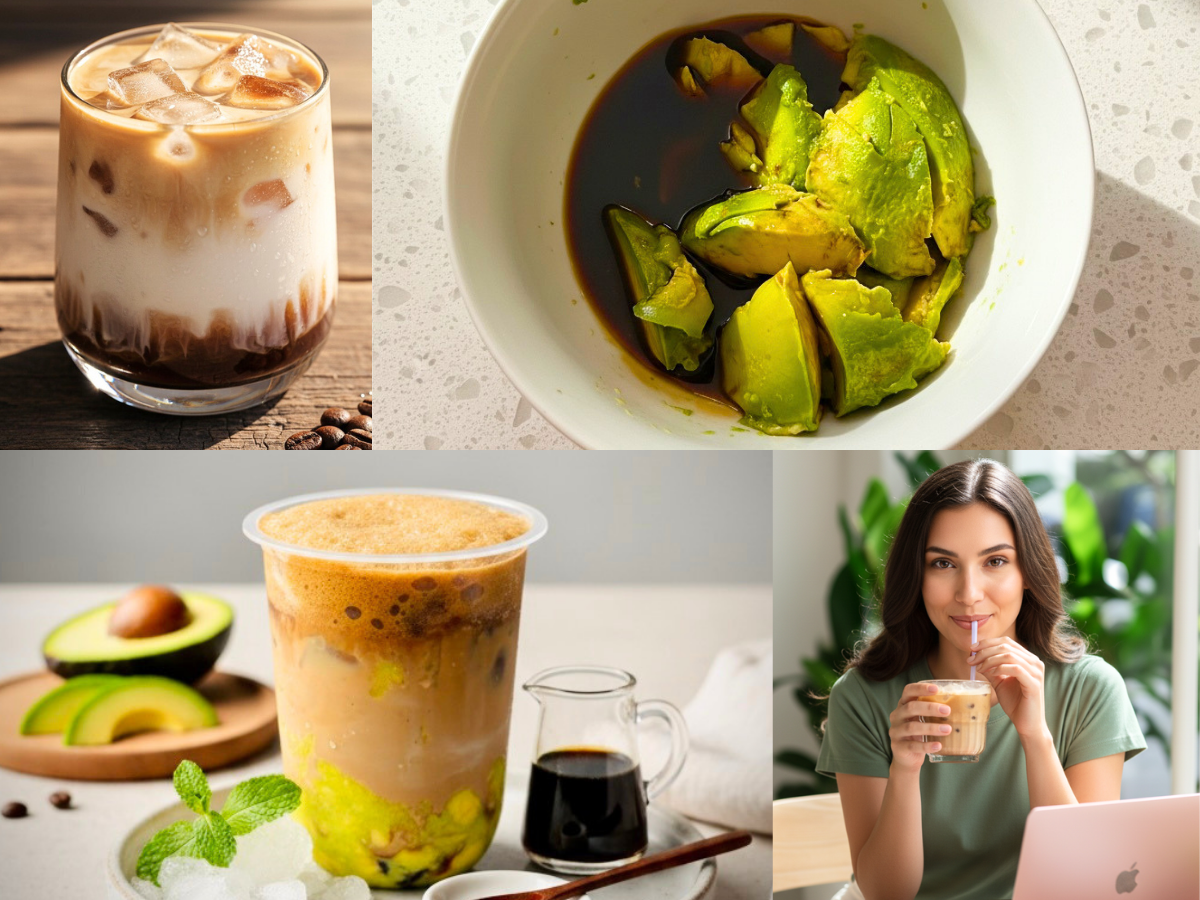
A chef in another country can use Indonesian palm sugar in a dessert. A specialty coffee brand can develop a beverage with Arenga palm syrup. A food enthusiast can discover the ingredient through a recipe and begin learning about its origin.
The supply chain may become global.
The story does not have to disappear.
L’Arbre Seho and the Spirit of Artisanal Palm Sugar
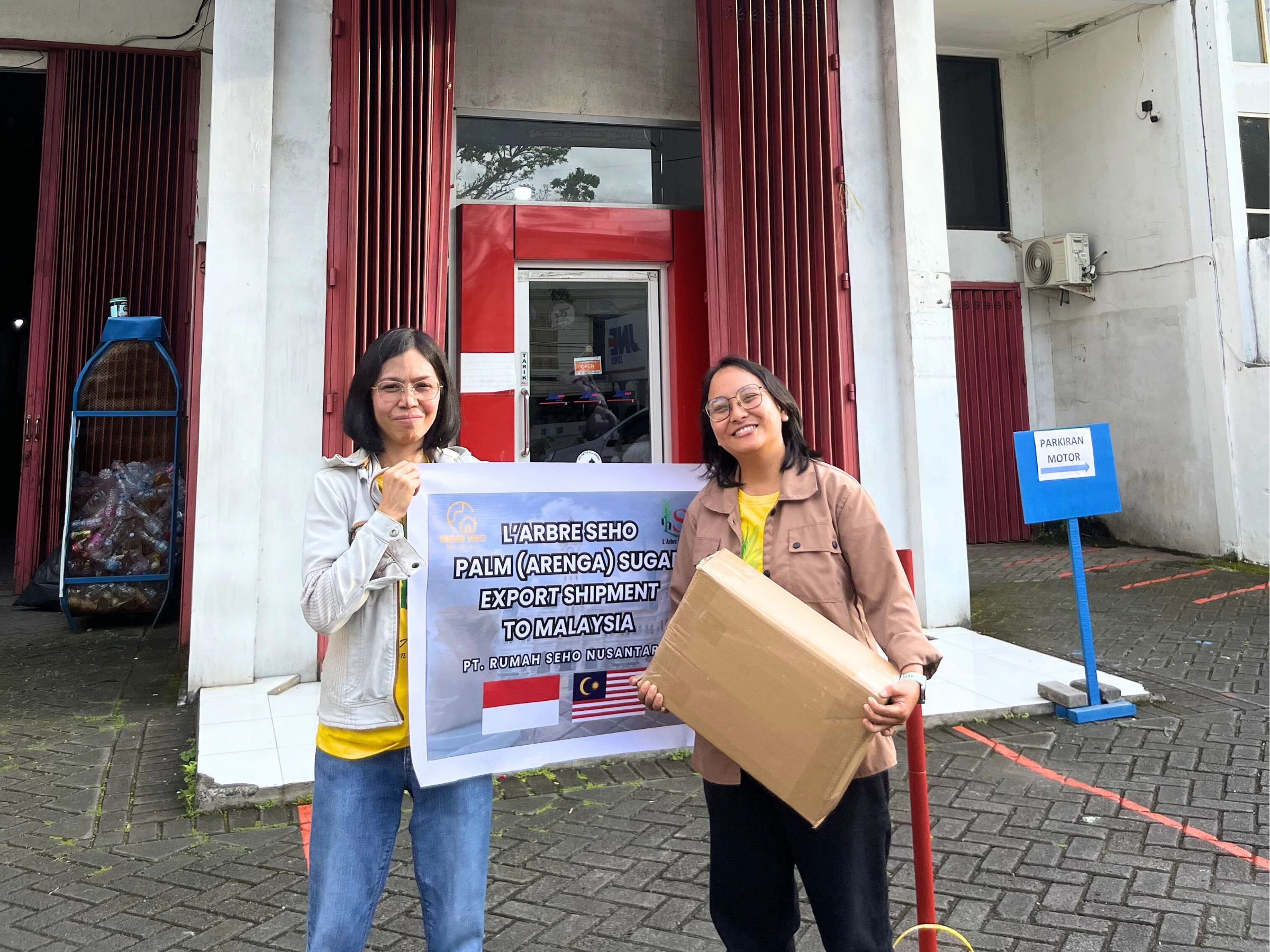
This philosophy resonates with L’Arbre Seho, the palm sugar brand of PT. Rumah Seho Nusantara.
The brand works with Arenga palm sap from Indonesia, connecting local agricultural resources with consumers and food businesses.
For L’Arbre Seho, palm sugar is not simply about sweetness.
It represents the relationship between farmers, natural resources, traditional knowledge, processing, and modern markets.
That relationship gives a traditional ingredient a place in today’s food culture.
It also creates an opportunity for consumers to become more conscious participants in the food system.
When someone chooses an ingredient because they understand its origin, they are doing more than buying food.
They are choosing a story.
Conclusion
The palm sugar slow food movement connection goes beyond the idea of traditional food.
It reflects a shared appreciation for good, clean, and fair food. Slow Food emphasizes sensory quality, environmental responsibility, cultural diversity, and fairness for the people who produce our food.
Palm sugar can embody these values when producers protect the quality of the ingredient, respect traditional knowledge, manage natural resources responsibly, and create meaningful economic opportunities for farmers.
Through L’Arbre Seho, PT. Rumah Seho Nusantara brings Indonesian Arenga palm sugar into this wider conversation.
From the hands of farmers to kitchens around the world, every drop of palm syrup carries more than sweetness.
It carries place, knowledge, culture, and people.
And perhaps that is what makes artisanal palm sugar so compelling for today’s food heritage enthusiasts: in a world that keeps trying to make food faster, some ingredients remind us to slow down and ask where our food really comes from.
Contact Us
PT. Rumah Seho Nusantara
L’Arbre Seho — Indonesian Arenga Palm Sugar
WhatsApp: +62 896 9888 2428
Instagram: @rsn_indonesia
Website: www.palmlarbreseho.com
Email: export@palmlarbreseho.com