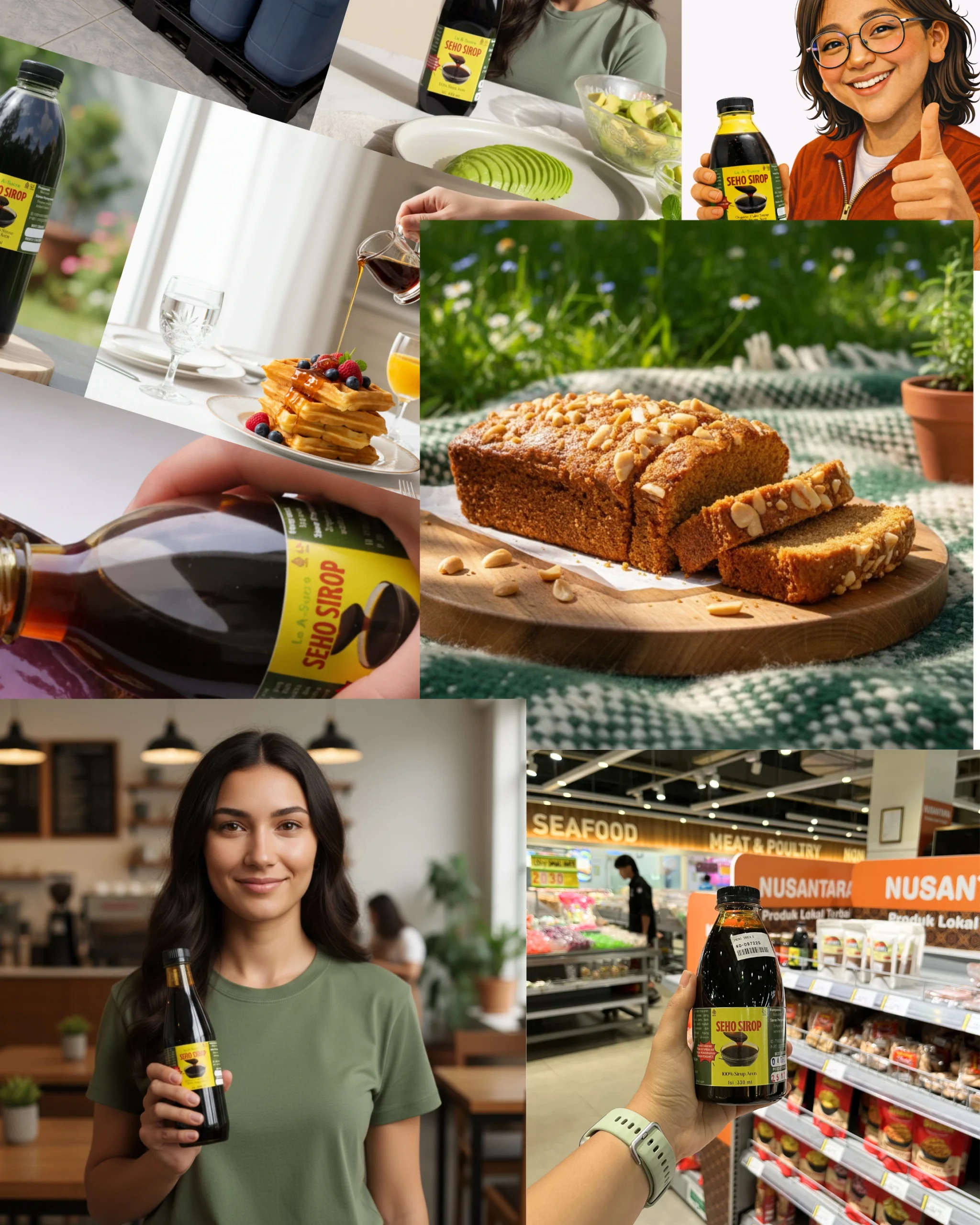
How Palm Sugar Can Transform Your Baking Recipes
Baking is both a science and a creative process. Every ingredient influences the final result, from the texture of cookies to the aroma of freshly baked cakes. Although sugar is commonly used to provide sweetness, it also plays an important role in browning, moisture retention, texture, and overall flavor.
However, not all sweeteners deliver the same results. Palm sugar offers bakers an opportunity to explore a different flavor profile while creating distinctive baked goods. With its characteristic caramel-like notes, palm sugar can complement chocolate, nuts, spices, butter, and many other baking ingredients.
Whether you operate a bakery, develop packaged food products, or enjoy baking at home, understanding how palm sugar works can help you create more interesting recipes. Here are several ways palm sugar can transform your baking experience.
1. Add a Richer Flavor to Your Baked Goods
One of the most noticeable differences palm sugar can bring to baking is its distinctive flavor. Depending on its source and processing method, palm sugar can have caramel-like, toasted, or earthy notes that add complexity beyond sweetness alone.
For example, chocolate brownies can benefit from the deeper flavor profile of palm sugar. When combined with cocoa powder or dark chocolate, its caramel-like notes can complement the roasted character of chocolate.
Similarly, palm sugar can work well in banana bread, cinnamon rolls, ginger cookies, and spiced cakes. These recipes already contain ingredients with warm, rich flavors, making palm sugar a useful ingredient to explore.
However, the final result depends on the specific palm sugar, recipe formulation, and baking conditions. Therefore, test the ingredient in small batches before using it in a large production run.
Rather than treating palm sugar as just another sweetener, consider how its flavor can contribute to the identity of your finished product.
2. Create More Distinctive Cookies and Biscuits
Cookies are an excellent starting point for experimenting with palm sugar. Its flavor can complement butter, chocolate chips, roasted nuts, oats, and spices.
For instance, chocolate chip cookies made with palm sugar may develop a different flavor profile from cookies prepared with white sugar. Depending on the formulation, they can feature more pronounced caramel-like notes alongside the chocolate.
Palm sugar may also influence cookie color, spread, and texture. However, these effects depend on the sugar’s moisture content, particle size, and composition, as well as the proportions of butter, flour, and other ingredients.
For consistent results, pay attention to the form of palm sugar you choose. Finely granulated palm sugar can be easier to distribute throughout a dry ingredient mixture than larger crystals or irregular pieces.
If you are developing cookies for commercial production, document your measurements and compare several test batches. Evaluate flavor, color, crispness, softness, and product consistency after cooling.
This process helps you determine whether palm sugar improves your intended recipe and whether the final product meets your customers’ expectations.
3. Experiment with Cakes, Muffins, and Quick Breads
Palm sugar can also be explored in cakes, muffins, banana bread, and other baked products. Its distinctive flavor may complement ingredients such as bananas, cinnamon, coconut, chocolate, and roasted nuts.
For example, a banana muffin with palm sugar can offer a flavor combination built around ripe fruit and caramel-like sweetness. Meanwhile, a coconut cake can use palm sugar to create a different flavor profile that complements the coconut.
Nevertheless, replacing white sugar with palm sugar is not always a straightforward one-to-one substitution in every recipe. Sugar contributes more than sweetness. It can affect aeration, moisture, browning, tenderness, and the structure of baked products.
Consequently, changing the type of sugar may alter the finished texture or appearance. Begin with a controlled recipe trial and adjust the formulation when necessary.
For commercial bakeries, record the ingredient quantities, mixing method, baking temperature, baking time, and finished product characteristics. These records make it easier to reproduce successful results and scale production with greater confidence.
4. Choose the Right Palm Sugar Form for Your Recipe
Palm sugar is available in different forms, and each offers practical advantages depending on the application. Choosing the right form can improve preparation efficiency and help you achieve more predictable results.
Granulated palm sugar is a practical option for recipes that require measured dry ingredients. It can be incorporated into cookie dough, cake mixtures, muffins, and selected pastry formulations. Particle size and solubility still matter, so check how the product behaves in your specific recipe.
Solid palm sugar is suitable for recipes that call for melted sugar, syrup preparation, fillings, or distinctive sweet inclusions. Depending on the product, it may need to be grated, crushed, or dissolved before use.
Palm syrup offers a liquid format that can be explored in sauces, glazes, fillings, toppings, and selected baking formulations. However, because it introduces liquid as well as sweetness, bakers may need to adjust other liquid ingredients to maintain the desired dough or batter consistency.
For example, adding palm syrup directly to a cake recipe without adjusting the liquid balance may produce a different texture. Therefore, consider both the sweetener’s flavor and its physical form when developing a recipe.
5. Enhance Flavor Pairings with Chocolate, Nuts, and Spices
A successful baking recipe often depends on how its ingredients complement one another. Palm sugar offers opportunities to develop flavor combinations that feel familiar while adding a distinctive twist.
Chocolate is one promising pairing. Palm sugar’s caramel-like notes can complement chocolate brownies, chocolate chip cookies, and selected cake recipes.
Nuts are another option. Almonds, peanuts, cashews, and walnuts can contribute roasted flavors and texture, creating a contrast with the sweetness of palm sugar.
Meanwhile, spices such as cinnamon, ginger, and nutmeg can add warmth to muffins, cookies, and seasonal baked goods. Coconut is also worth exploring, particularly in recipes inspired by Indonesian ingredients and culinary traditions.
However, balance remains essential. A recipe with too many strong flavors can become overwhelming, while excessive sweetness may obscure the character of other ingredients.
Start with one or two complementary ingredients, then evaluate the result before introducing additional flavors. This method makes recipe development more systematic and helps you identify combinations that customers may recognize and enjoy.
6. Consider Texture, Moisture, and Browning
Flavor is only one part of baking performance. The type of sugar used can also influence the appearance and physical characteristics of a finished product.
Palm sugar may produce darker colors and different browning behavior compared with white sugar. Its moisture content and composition can also affect dough handling and the texture of the finished baked goods.
For example, a cookie recipe may spread differently after the sugar is changed. A cake may develop a different crumb structure, while a glaze may require adjustments to achieve the desired consistency.
Therefore, evaluate the full result rather than judging the ingredient only by taste. Check the color, texture, moisture, aroma, and consistency of the product after baking and cooling.
For food manufacturers, these factors are particularly important because even small formulation changes can influence production consistency.
If you plan to use palm sugar in a commercial recipe, establish clear quality specifications for the ingredient and test how variations in the product may affect your finished goods.
7. Develop a Signature Product with Indonesian Palm Sugar
For bakeries and food businesses, palm sugar can be more than a recipe ingredient. It can become part of a product’s identity.
For example, a bakery might develop palm sugar chocolate cookies, caramel-style brownies, coconut muffins, or specialty cakes featuring Indonesian ingredients. These products can help the business explore new menu concepts and differentiate its offerings.
However, a successful product requires more than an interesting ingredient. Consider customer preferences, ingredient costs, production efficiency, shelf life, packaging, and consistency before launching it commercially.
You should also evaluate the cost per serving or unit. Calculate the amount of palm sugar used in each product, then include the costs of flour, butter, eggs, chocolate, packaging, labor, and other relevant expenses.
For larger-scale production, reliable sourcing becomes equally important. A supplier should be able to provide clear product information and support your requirements for quality, availability, and ordering volume.
By combining recipe testing with sound commercial planning, businesses can explore palm sugar as a practical ingredient for distinctive baked products.
Why Consider Indonesian Palm Sugar for Baking?
Indonesia has a long tradition of producing palm sugar from local palm resources. For bakers and food manufacturers, Indonesian palm sugar offers an opportunity to explore distinctive ingredients while developing products for local and international markets.
L’Arbre Seho, a brand of PT. Rumah Seho Nusantara, offers Seho Granule and Seho Solide alongside Seho Sirop. These different product forms provide options for businesses evaluating palm sugar in cookies, cakes, fillings, sauces, and other food applications.
The best choice depends on your recipe requirements. Granulated products may suit formulations that use dry sweeteners, while solid sugar and syrup may be more appropriate for applications that require different preparation methods.
Before selecting an ingredient for regular production, test its flavor, particle size or consistency, performance in your recipe, and cost per finished product. These checks help ensure that the ingredient supports both product quality and commercial requirements.
Conclusion
Palm sugar can transform baking recipes by introducing distinctive caramel-like notes and new possibilities for cookies, cakes, brownies, muffins, and other baked products. However, its impact extends beyond flavor. The type of palm sugar you choose can also influence browning, texture, moisture, and recipe consistency.
For the best results, select the right product form, conduct controlled recipe trials, standardize ingredient measurements, and calculate the cost of each finished product.
PT. Rumah Seho Nusantara, through its L’Arbre Seho brand, offers Seho Granule, Seho Solide, and Seho Sirop for businesses exploring Indonesian palm sugar. By testing the right ingredient for your formulation, you can discover new baking possibilities while developing products that meet your quality and business requirements.
Contact Us
PT. Rumah Seho Nusantara
- Website: www.palmlarbreseho.com
- Email: export@palmlarbreseho.com
- WhatsApp: +62 896 9888 2428
- Instagram: @rsn_indonesia
Contact us to learn more about our palm sugar products and explore their potential applications for your bakery or food manufacturing business.


