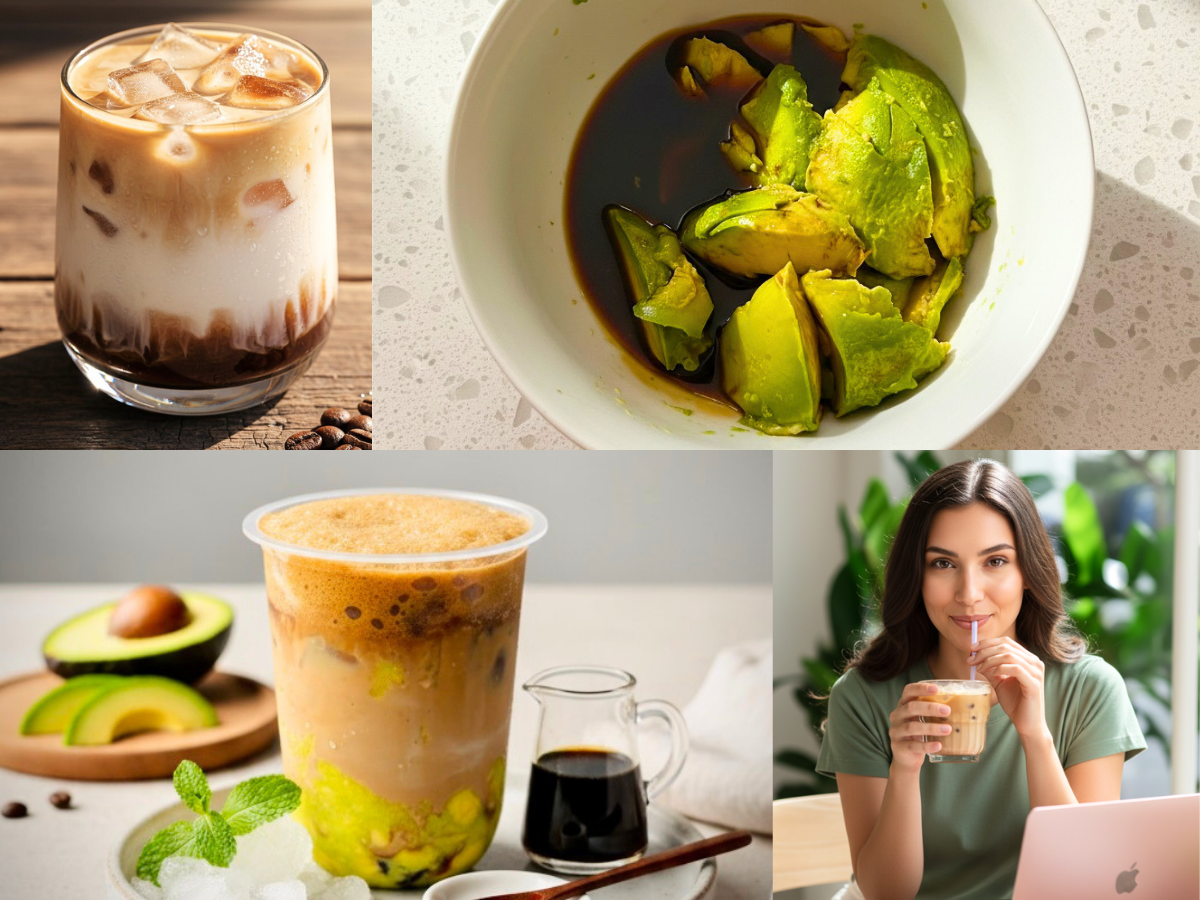
How to Create a Profitable Signature Drink for Your Café
A profitable signature drink for a café should do more than taste good. It should attract customers, strengthen your brand identity, and generate consistent revenue. In a competitive beverage market, a distinctive drink can help your café stand out from businesses offering similar coffee, tea, and other beverages.
However, creating a successful signature drink requires more than mixing ingredients and choosing an attractive name. You also need to understand your target customers, balance flavors, calculate costs, and maintain consistent quality.
For café owners, the goal is simple: develop a drink that customers love, remember, and want to order again while maintaining a healthy profit margin.
1. Understand Your Target Customers Before Creating a Drink
Before developing a new beverage, identify the customers you want to attract. Their preferences will influence the ingredients, flavor profile, serving size, presentation, and price of your signature drink.
For example, specialty coffee drinkers may appreciate espresso with a distinctive sweetener. Meanwhile, younger customers might prefer visually appealing iced beverages, while customers looking for non-coffee alternatives may enjoy milk tea, chocolate drinks, or refreshing mocktails.
Therefore, start by answering three questions: Who are your target customers? What flavors do they enjoy? How much are they willing to pay for a beverage?
You can gather these insights by observing your best-selling menu items, asking customers for feedback, and testing a small selection of new recipes.
Rather than developing a complicated drink immediately, begin with a familiar beverage category and introduce one distinctive element. This approach makes your product easier for customers to understand while giving your café an opportunity to offer something different.
2. Create a Distinctive Flavor with the Right Ingredients
A signature drink needs a recognizable flavor profile. Although presentation and naming influence purchasing decisions, customers are more likely to return when the beverage consistently delivers an enjoyable taste.
Start with a familiar base, such as espresso, milk, tea, chocolate, or sparkling water. Then, introduce an ingredient that creates a memorable difference.
For instance, palm sugar syrup can add sweetness and caramel-like notes to coffee, milk tea, and chocolate beverages. Its flavor profile can complement roasted coffee, creamy milk, and other ingredients when the recipe is properly balanced.
Unlike granulated sweeteners that need to dissolve, liquid syrup can also simplify beverage preparation. Baristas can measure and mix it directly into drinks, although the final result will depend on the syrup’s viscosity, concentration, and the preparation method.
Nevertheless, adding a distinctive ingredient does not automatically create a successful signature drink. You must test how it interacts with the base ingredients. Too much sweetness may overpower the coffee, while too little may leave the flavor unbalanced.
The best recipe highlights each ingredient without making the beverage unnecessarily complicated.
3. Calculate Your Beverage Cost Before Setting the Selling Price
A drink can become popular without being profitable. This happens when ingredient costs, packaging expenses, and selling prices are not properly calculated.
To create a profitable signature drink for your café, calculate the direct cost of every serving before deciding on the final price.
Consider a hypothetical iced palm sugar latte:
| Cost component | Cost per serving |
|---|---|
| Espresso | Rp3,000 |
| Milk | Rp4,000 |
| Palm sugar syrup | Rp1,500 |
| Ice and water | Rp300 |
| Cup, lid, and straw | Rp1,200 |
| Total direct cost | Rp10,000 |
These figures are illustrative. Your actual costs will depend on supplier prices, recipe quantities, and packaging choices.
Suppose you sell the drink for Rp25,000. The calculation would be:
-
Selling price: Rp25,000
-
Direct cost: Rp10,000
-
Gross profit per serving: Rp15,000
-
Gross margin: 60%
The gross margin is calculated by dividing gross profit by selling price, then multiplying by 100.
However, this is not your final net profit. Rent, staff salaries, utilities, equipment maintenance, marketing, payment fees, and other operating expenses must also be covered.
Consequently, evaluate both the direct cost per serving and the contribution each drink makes toward your café’s overall operating costs.
4. Choose Ingredients That Support Consistency and Efficiency
A signature drink must taste the same whether a customer orders it on Monday morning or Saturday evening. Consistency helps build trust, encourages repeat purchases, and protects your café’s reputation.
For this reason, evaluate suppliers based on product quality, consistency between batches, availability, shelf life, and delivery reliability. These factors matter because ingredient variations can affect flavor, texture, preparation time, and the final cost of each beverage.
For example, when using palm syrup, check its sweetness concentration, flavor profile, and suitability for your recipes. A syrup with a consistent specification can make recipe standardization easier, although your baristas should still measure each serving carefully.
In addition, choose ingredients that fit your workflow. If a drink requires too many preparation steps or specialized ingredients that are rarely used elsewhere, it may slow down service and increase waste.
Ideally, a signature drink should be distinctive for customers but practical for your team to prepare.
5. Design a Recipe That Is Easy to Repeat
Once you have identified the flavor profile, document the recipe in a standard operating procedure. Specify the quantity of every ingredient, preparation sequence, serving size, cup type, and presentation requirements.
For example, a palm sugar latte recipe might specify the espresso dose, milk volume, syrup quantity, ice level, and mixing order. Baristas should follow the same measurements instead of estimating ingredients by eye.
This standardization provides three benefits. First, it reduces variations in taste. Second, it makes ingredient consumption easier to monitor. Finally, it helps you calculate beverage costs more accurately.
Furthermore, test the drink under real service conditions. A recipe that works well during quiet hours may become difficult to execute when the café is busy.
If the drink takes too long to prepare, simplify the process without sacrificing quality. Efficient preparation can improve customer waiting times and allow your team to serve more orders during peak hours.
6. Give Your Signature Drink a Strong Identity
Customers need a reason to remember your beverage. A distinctive name, clear menu description, and appealing presentation can help communicate what makes the drink special.
Instead of using a generic name such as “Palm Sugar Coffee,” consider a name that reflects your café’s personality. However, keep the name easy to pronounce and understand.
Your menu description should explain the drink’s main ingredients and flavor experience. For example, “A smooth iced latte balanced with espresso, creamy milk, and rich palm sugar notes” communicates the beverage’s appeal without making exaggerated claims.
Meanwhile, use consistent visual branding across your menu, social media, and in-store promotions. Short videos showing the preparation process can help customers understand the drink and encourage them to try it.
Nevertheless, marketing should support the actual product experience. Attractive content may generate the first purchase, but flavor, value, and consistency are what encourage customers to return.
7. Test, Measure, and Improve Sales Performance
Before launching your signature drink permanently, conduct a limited trial. Offer it to selected customers or introduce it as a special menu item for a defined period.
During the trial, track the number of units sold, direct cost per serving, customer feedback, preparation time, and ingredient waste. These measurements will help you determine whether the beverage has commercial potential.
For example, if customers enjoy the flavor but consider the price too high, review your ingredient costs and perceived value before making changes. If sales are strong but preparation takes too long, adjust the workflow.
You should also compare the drink’s performance with your existing menu. A new beverage may generate sales but simply replace orders of another profitable item. Therefore, assess whether it attracts additional purchases, improves average transaction value, or strengthens customer loyalty.
Ultimately, a signature drink should be evaluated through both customer response and business performance.
Why Palm Sugar Syrup Can Be an Opportunity for Café Innovation
Palm sugar syrup offers cafés another way to develop distinctive beverages using an ingredient associated with Indonesian food traditions. Its caramel-like flavor can work in espresso-based drinks, milk tea, chocolate beverages, and selected cold drinks.
For café operators, the opportunity lies in using the ingredient strategically rather than treating it as a simple replacement for regular sugar. Recipe balance, syrup consistency, portion control, and supplier reliability all influence the final result.
L’Arbre Seho, a brand of PT. Rumah Seho Nusantara, offers Seho Sirop made from Arenga palm sap. Café owners and beverage businesses can explore its potential through recipe trials and controlled cost calculations to determine whether it fits their menu concept.
Before adopting any ingredient for regular production, test it in your own recipes and confirm that its specifications, supply availability, and cost meet your business requirements.
Conclusion
Creating a profitable signature drink for your café requires a balance of flavor innovation, customer understanding, operational efficiency, and financial discipline. Start with a clear target market, develop a distinctive recipe, calculate the cost per serving, and standardize the preparation process. Then, test the drink with real customers and use sales data to guide improvements.
PT. Rumah Seho Nusantara, as a manufacturer and exporter of Indonesian palm sugar, supports the development of beverage products through its L’Arbre Seho brand, including Seho Sirop. For café owners and beverage businesses interested in exploring Indonesian Arenga palm syrup for their menus, choosing the right ingredient can be a starting point for creating memorable drinks with commercial potential.
Contact Us
PT. Rumah Seho Nusantara
-
Website: www.palmlarbreseho.com
-
Email: export@palmlarbreseho.com
-
WhatsApp: +62 896 9888 2428
-
Instagram: @rsn_indonesia
Contact us to learn more about our palm sugar products and discuss potential applications for your beverage business.

