How Batch Consistency Protects Food Product Quality
For food manufacturers, producing a great product once is not enough. The real challenge is delivering the same quality every time, across every production run.
Customers expect their favorite biscuits, chocolate drinks, sauces, and baked goods to maintain the same taste, texture, appearance, and overall experience. Even small differences between batches can affect customer satisfaction and create problems for businesses that depend on standardized formulations.
However, finished product quality does not depend on the production process alone. The consistency of raw materials also plays an important role. When ingredients vary in moisture, sweetness, color, or other characteristics, manufacturers may need to adjust their formulations or production methods to achieve the desired result.
This is why batch consistency in food manufacturing matters. By controlling ingredient variation and maintaining clear quality standards, manufacturers can protect product quality, improve operational efficiency, and build stronger relationships with customers.
1. What Is Batch Consistency in Food Manufacturing?
Batch consistency refers to the ability to produce goods with comparable characteristics from one production batch to the next. These characteristics may include taste, aroma, color, texture, composition, and performance during processing.
For example, a biscuit manufacturer may produce thousands of packages every day. Customers expect each package to contain biscuits with the same sweetness, crispness, color, and flavor.
To achieve this result, the manufacturer needs consistent recipes, controlled production conditions, reliable equipment, and raw materials that meet established specifications.
Ingredient consistency is particularly important because raw materials can vary naturally or as a result of processing, storage, and handling.
Consider palm sugar used in a bakery formulation. Differences in moisture content, particle size, or flavor intensity may influence mixing, dough handling, browning, and the final taste of the biscuits.
Therefore, batch consistency requires manufacturers to control both their production processes and the characteristics of the ingredients they purchase.
2. Consistent Ingredients Help Protect Product Flavor
Flavor is one of the most noticeable aspects of food quality. Customers often return to a product because they recognize and enjoy its particular taste.
However, flavor can change when ingredients vary between deliveries. Differences in sweetness, aroma, acidity, or other characteristics may alter the balance of a finished formulation.
For instance, a beverage manufacturer using palm syrup in a signature drink needs the syrup to perform consistently. If its sweetness concentration or flavor profile changes, the finished beverage may taste different even when the production team follows the same recipe.
Similarly, a bakery using palm sugar in cookies may notice changes in sweetness, color, or flavor when the ingredient’s characteristics vary.
To reduce these risks, manufacturers should define sensory standards for important ingredients and compare incoming batches against approved references when appropriate.
In addition, they should request product specifications from suppliers and conduct application tests when introducing new ingredients or suppliers.
Consistent ingredients make it easier to reproduce the intended flavor and help protect the product identity that customers recognize.
3. Batch Consistency Supports Production Efficiency
Ingredient variation can create operational challenges even when the finished product remains acceptable.
When raw materials behave differently between batches, production teams may need to change mixing times, adjust liquid quantities, recalibrate equipment, or repeat quality checks. These adjustments can slow production and increase labor requirements.
For example, granulated palm sugar with inconsistent particle size or moisture may behave differently during weighing, blending, and storage. A manufacturer may experience more clumping or less predictable ingredient flow, depending on the product and processing conditions.
Meanwhile, differences in liquid ingredient concentration can affect formulation balance and require additional testing.
Therefore, manufacturers should establish clear incoming material specifications and verify that deliveries meet their requirements before using them in production.
When a batch does not meet the agreed criteria, the manufacturer should follow a documented procedure to evaluate, hold, accept, or reject the material.
This approach reduces unnecessary production adjustments and helps teams work with greater predictability.
4. Consistent Batches Help Reduce Waste and Costs
Quality variation can create financial losses throughout the manufacturing process. Products that fall outside established standards may require rework, additional testing, or disposal. In some cases, manufacturers may also face customer complaints or product returns.
Ingredient inconsistency can contribute to these problems by making formulations less predictable.
For example, if a sweetener introduces more moisture than expected, a manufacturer may need to investigate changes in dough consistency or finished product texture. The resulting adjustments can consume additional ingredients, labor, and production time.
However, the financial impact extends beyond rejected products. Frequent formulation changes can complicate inventory planning and make it harder to estimate ingredient consumption accurately.
To control these risks, manufacturers should monitor incoming ingredient quality, maintain production records, and investigate recurring deviations.
They should also evaluate suppliers based on consistency rather than purchase price alone. A lower-cost ingredient may become more expensive overall if it causes frequent processing problems or product losses.
Ultimately, consistent raw materials can support better cost control by making production more predictable.
5. Quality Specifications Make Consistency Measurable
Manufacturers cannot manage batch consistency effectively if quality expectations remain vague.
Terms such as premium, high quality, or consistent are not sufficient on their own. Businesses need measurable parameters and clear acceptance criteria that both the buyer and supplier understand.
Depending on the ingredient, relevant specifications may include moisture content, particle size, color, flavor characteristics, soluble solids concentration, and applicable safety parameters.
For palm sugar, the appropriate measurements depend on the product form. Granulated palm sugar may require specifications for moisture and particle size, while palm syrup may require parameters such as Brix and viscosity where relevant.
Brix measures soluble solids concentration in a liquid, but it does not independently establish the syrup’s flavor, safety, or overall quality.
Manufacturers should therefore select parameters that relate directly to their formulations and production requirements.
In addition, request supporting documentation when available. A product specification sheet describes expected characteristics, while a Certificate of Analysis (COA) reports analytical results for specified parameters in a particular sample or batch.
These documents can support purchasing decisions, although manufacturers should verify that the results and acceptance limits match their requirements.
6. Supplier Reliability Plays a Critical Role
Even a well-designed quality control system depends on the consistency of incoming ingredients. Therefore, selecting a reliable supplier is an important part of protecting finished product quality.
A supplier should be able to explain its product specifications, communicate changes, provide relevant documentation, and deliver ingredients that meet agreed requirements.
For food manufacturers, it is also important to understand how the supplier identifies production batches and handles products that do not meet specifications.
Traceability helps businesses connect an ingredient delivery with the production batches in which it was used. If a quality problem occurs, these records can support an investigation and help identify potentially affected products.
Furthermore, discuss how changes in raw materials or production methods will be communicated. Advance notice allows manufacturers to assess whether a change requires new testing or formulation adjustments.
A supplier’s ability to maintain consistent quality and communicate clearly can reduce uncertainty throughout the supply chain.
7. Build a Batch Consistency Control System
Protecting batch consistency requires a structured process that connects purchasing, production, and quality assurance.
Manufacturers can begin by establishing approved specifications for critical ingredients. Each incoming delivery should then be checked according to its risk level and the company’s quality procedures.
Next, document production parameters such as ingredient quantities, mixing conditions, processing times, and relevant temperature settings. These records make it easier to compare batches and identify the source of unexpected variation.
Sensory checks and analytical testing should also be appropriate for the product. For example, a manufacturer may assess flavor, color, and texture while using laboratory tests to verify selected technical parameters.
When a deviation occurs, investigate the cause rather than immediately changing the formulation. The problem may originate from the ingredient, equipment, measurement procedure, storage conditions, or production method.
Finally, review quality records regularly. Recurring deviations can reveal opportunities to improve supplier selection, ingredient handling, employee training, or production controls.
With this approach, batch consistency becomes a measurable part of the manufacturing system rather than a subjective expectation.
Why Batch Consistency Matters When Sourcing Indonesian Palm Sugar
For manufacturers using palm sugar, consistent ingredient characteristics can help maintain the flavor and performance of finished products.
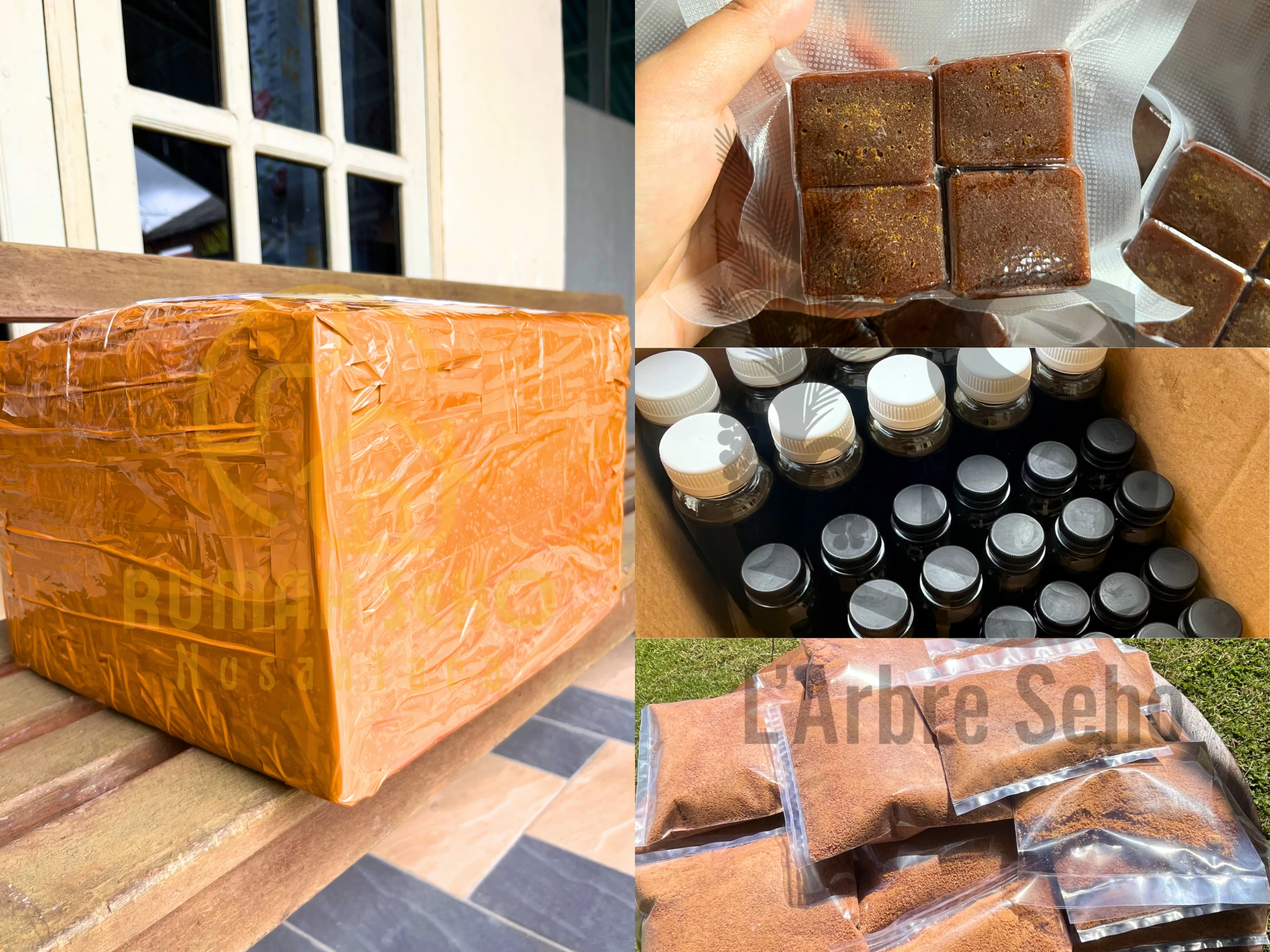
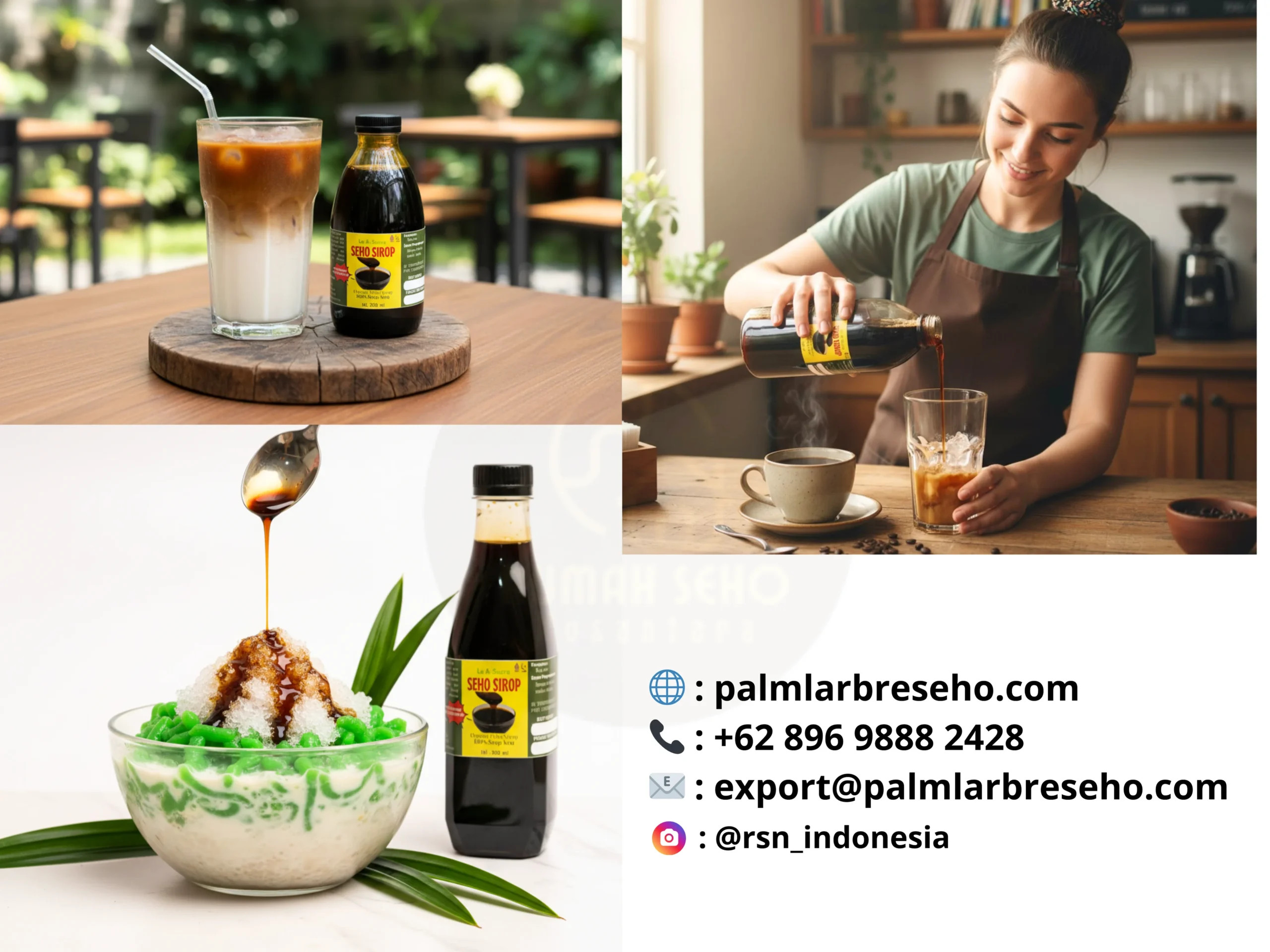
L’Arbre Seho, a brand of PT. Rumah Seho Nusantara, offers Seho Granule, Seho Solide, and Seho Sirop made from Arenga palm sap. These product forms provide different options for businesses developing baked goods, confectionery, sauces, beverages, and other food applications.
However, each application has its own requirements. Manufacturers should evaluate the relevant product specifications, compare batches when necessary, and test ingredients in their actual formulations before approving them for regular production.
For example, a biscuit manufacturer may prioritize moisture, particle size, and flavor characteristics. A beverage producer using palm syrup may focus on soluble solids concentration, sensory consistency, and mixing performance.
As a manufacturer and exporter of Indonesian palm sugar, PT. Rumah Seho Nusantara recognizes the importance of product information and ingredient suitability in business-to-business sourcing. Buyers should establish clear quality expectations and evaluate the product against their own manufacturing standards.
Conclusion
Batch consistency in food manufacturing protects product quality by helping businesses maintain reliable flavor, texture, appearance, and processing performance. It also supports production efficiency, reduces avoidable waste, and helps manufacturers deliver the experience customers expect.
Achieving consistency requires clear ingredient specifications, reliable suppliers, documented production procedures, appropriate quality checks, and effective traceability. By controlling these factors, manufacturers can identify problems earlier and make more informed decisions throughout their supply chains.
PT. Rumah Seho Nusantara, through its L’Arbre Seho brand, offers Seho Granule, Seho Solide, and Seho Sirop for businesses exploring Indonesian palm sugar. By evaluating the appropriate product form, reviewing available specifications, and conducting application-specific tests, manufacturers can determine whether an ingredient meets their quality requirements and supports consistent production.
Contact Us
PT. Rumah Seho Nusantara
- Website: www.palmlarbreseho.com
- Email: export@palmlarbreseho.com
- WhatsApp: +62 896 9888 2428
- Instagram: @rsn_indonesia
Contact us to learn more about our palm sugar products and discuss their potential applications for your food manufacturing business.