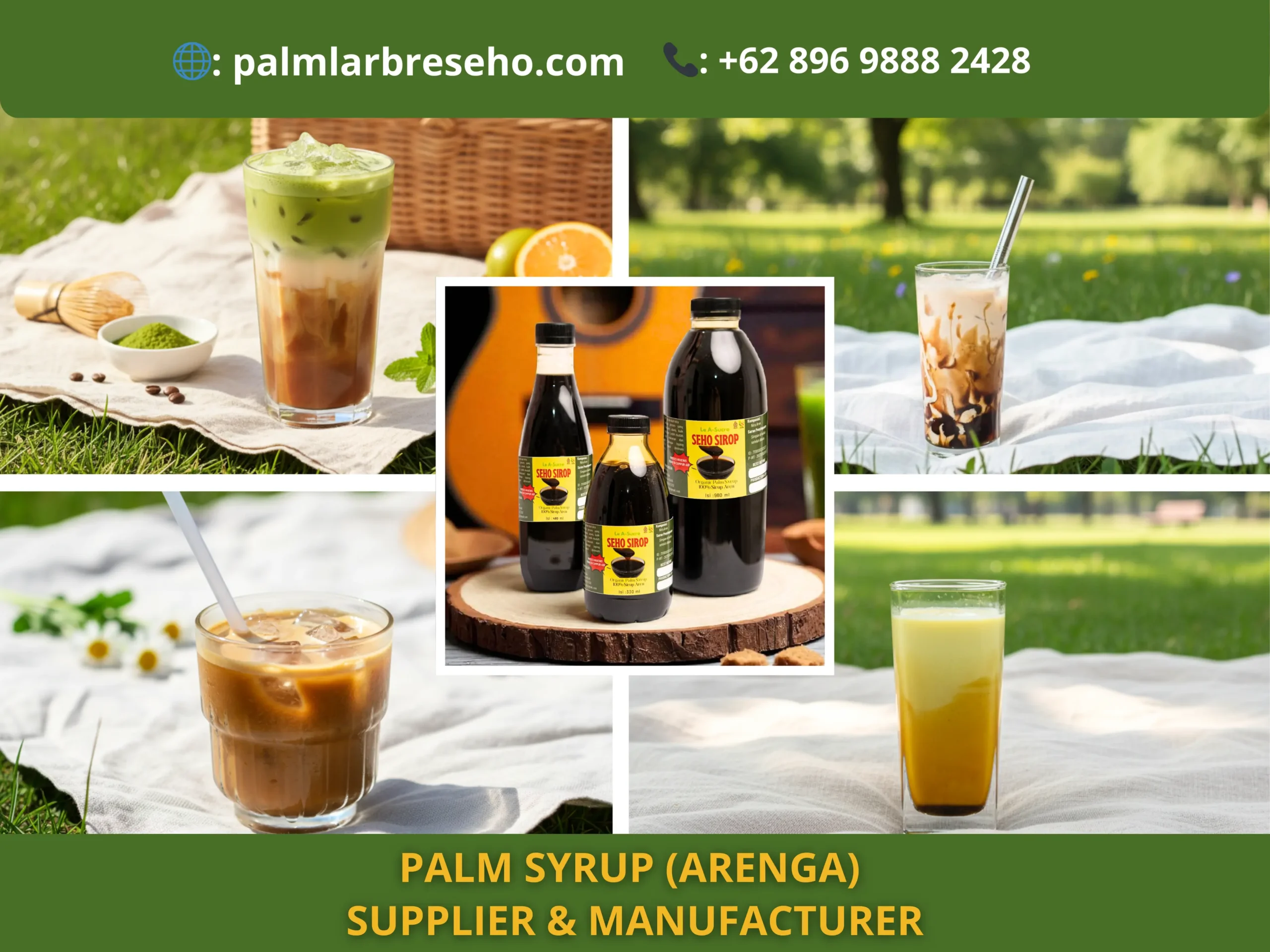
How Indonesian Ingredients Can Help Cafés Create Unique Menus
The café industry is constantly evolving. Customers are no longer looking only for a good cup of coffee. They are also looking for new experiences, distinctive flavors, and beverages that give them a reason to return.
For café owners, this creates an important opportunity: developing menus that offer something different from what competitors already serve.
One effective way to achieve this is by exploring local ingredients. Indonesia, with its rich agricultural resources and culinary traditions, offers a wide variety of ingredients that cafés can incorporate into modern food and beverage concepts.
From aromatic spices and tropical fruits to coconut and palm sugar, Indonesian ingredients can inspire creative combinations while introducing customers to local flavors.
More importantly, using local ingredients can help cafés develop a stronger identity, create memorable signature products, and connect their businesses with Indonesia’s agricultural heritage.
Here are six ways Indonesian ingredients can help your café create a more distinctive menu.
1. Discover New Flavors from Indonesia’s Agricultural Diversity
Indonesia is known for its diverse agricultural products. Different regions produce ingredients with distinctive characteristics, influenced by local climates, growing conditions, and traditional processing methods.
This diversity gives café owners many opportunities to experiment with flavors beyond conventional beverage ingredients.
For example, Indonesian coffee beans can become the foundation of signature espresso-based drinks. Coconut can introduce tropical notes to milk-based beverages. Ginger and cinnamon can add warmth to tea and coffee creations. Meanwhile, tropical fruits such as mango, pineapple, and passion fruit can bring refreshing flavors to cold beverages.
Palm sugar is another ingredient worth exploring.
Produced from the sap of palm trees, including the Arenga palm (Arenga pinnata), palm sugar has a distinctive flavor profile that can complement coffee, chocolate, milk, and selected desserts.
Instead of relying entirely on standard sweeteners, cafés can experiment with local ingredients to create combinations that reflect their own concepts.
The goal is not simply to use more local products. It is to identify ingredients that contribute meaningful flavor, functionality, and value to the menu.
2. Create Signature Drinks with Distinctive Local Flavors
A signature drink can become one of the strongest elements of a café’s identity.
Customers may visit a coffee shop because of its location or atmosphere, but a memorable beverage can give them a reason to return.
Indonesian ingredients provide an excellent starting point for developing these signature creations.
Consider a few possibilities:
Indonesian Palm Sugar Latte
A combination of espresso, milk, and palm syrup can create a beverage with a distinctive sweetness and caramel-like flavor notes. It offers an alternative to conventional latte variations.
Coconut Coffee
Coconut milk or coconut-based ingredients can introduce tropical characteristics to coffee. The combination can work particularly well in iced beverages, depending on the formulation.
Ginger Milk Tea
Ginger can add warmth and aromatic complexity to milk tea. It can be developed as a hot beverage or adapted into a chilled version.
Tropical Fruit Tea
Local fruits such as mango, pineapple, or passion fruit can bring freshness and vibrant flavors to tea-based drinks.
Palm Sugar Chocolate
Chocolate and palm sugar can be combined to create a rich beverage with a different sweetness profile from conventional chocolate drinks.
These concepts are starting points rather than fixed recipes. Each café should adjust ingredient proportions, preparation methods, and presentation according to its target customers.
A successful signature drink should have a recognizable flavor, consistent quality, and a clear reason for customers to choose it.
3. Turn Local Ingredients into a Stronger Café Identity
A unique menu is not only about taste. It also communicates what a café represents.
For example, a café that uses Indonesian agricultural ingredients can build a concept around local flavors, regional products, or contemporary interpretations of traditional ingredients.
This creates opportunities for storytelling.
Rather than simply listing an ingredient on the menu, cafés can explain where it comes from, how it is produced, and why it was selected for a particular beverage.
Imagine a café introducing a palm sugar latte made with Indonesian Arenga palm sugar. The menu description could briefly introduce the ingredient and its connection to local agricultural communities.
This gives customers more context about what they are drinking.
Visual presentation can reinforce the concept. Menu descriptions, packaging, drink names, and promotional content can all communicate the café’s connection to Indonesian ingredients.
However, storytelling should be authentic. Only share information about an ingredient’s origin, production process, and social impact when those details can be verified.
When product quality and storytelling work together, local ingredients can become part of a café’s brand identity rather than just another menu component.
4. Explore Different Applications of Palm Sugar
Among Indonesia’s agricultural ingredients, palm sugar offers interesting opportunities for café menu development.
Its characteristic flavor can complement several beverage categories, while its different product forms provide flexibility for food and beverage applications.
For café owners, understanding these forms is important when selecting ingredients.
Palm Syrup
Palm syrup is a liquid form of palm sugar. It can be evaluated for coffee, tea, chocolate, milk-based beverages, and selected dessert applications.
Because it is already in liquid form, it can be measured and incorporated directly into beverage formulations. This may offer practical advantages for cafés developing drinks that require a liquid sweetener.
For example, a café can test palm syrup in an iced latte, signature coffee, or chocolate beverage.
Granulated Palm Sugar
Granulated palm sugar has a dry, granular form. It can be explored in baking, dessert preparation, beverage mixes, and selected café kitchen applications.
Its suitability depends on the formulation and whether the ingredient needs to dissolve completely or contribute a particular texture.
Solid Palm Sugar
Solid palm sugar is commonly used in traditional Indonesian food and beverage preparations. It can also be explored in contemporary café concepts that require palm sugar to be dissolved or processed as part of a recipe.
For example, it may be suitable for selected dessert sauces, traditional-inspired beverages, or kitchen preparations.
These three forms offer different handling characteristics. Therefore, café owners should choose based on the recipe, preparation process, and operational requirements rather than selecting an ingredient based on appearance alone.
5. Connect Traditional Ingredients with Modern Beverage Trends
One of the most interesting opportunities in café innovation is combining traditional ingredients with modern beverage concepts.
Indonesian culinary culture provides many ingredients that can be reinterpreted for contemporary customers.
For example, traditional ginger-based drinks can inspire modern ginger lattes. Coconut can be incorporated into specialty coffee creations. Palm sugar can become part of contemporary espresso-based beverages.
This approach allows cafés to introduce familiar local flavors in new formats.
It can also help businesses create seasonal menus.
During certain periods, cafés can introduce limited-edition beverages featuring ingredients associated with particular seasons, regional traditions, or local celebrations.
For example, a café could develop a tropical beverage collection featuring coconut, palm sugar, and selected local fruits. Another concept could focus on warm beverages combining coffee, ginger, and palm sugar.
Seasonal menus provide an opportunity to test customer interest without immediately committing to permanent menu changes.
However, innovation should remain practical. Before launching a new beverage, evaluate ingredient availability, preparation complexity, shelf life where relevant, and customer demand.
A creative menu is most valuable when the café can produce it consistently.
6. Balance Creativity with Operational Efficiency and Profitability
Using local ingredients can create exciting menu opportunities, but creativity must be supported by good operational planning.
A beverage may have an attractive flavor profile, but it will be difficult to maintain if the preparation process is complicated or ingredient costs are too high.
Before introducing a new drink, café owners should evaluate several factors.
Ingredient availability
Make sure the ingredients can be sourced consistently. Seasonal availability and supply fluctuations may affect menu planning.
Product specifications
Understand the ingredient’s characteristics, including its form, concentration, flavor profile, and recommended storage conditions. Request relevant product specifications from suppliers when necessary.
Recipe consistency
Standardize ingredient measurements and preparation procedures. This helps baristas produce the same beverage quality across different shifts.
Cost per serving
Calculate the cost of every ingredient used in a drink. Include coffee, milk, syrup, toppings, ice, and packaging where applicable.
Preparation time
Consider how long the beverage takes to prepare, particularly during busy operating hours. A complicated recipe may slow down service and affect customer experience.
Customer feedback
Conduct product trials and collect feedback before making a new drink a permanent menu item.
For example, when developing a palm sugar latte, test different syrup quantities and milk ratios. Compare the flavor, preparation time, and cost per serving.
Then, identify the formulation that offers the best balance between customer preference and business profitability.
This systematic approach allows cafés to innovate without compromising daily operations.
Why Indonesian Ingredients Create Opportunities for Cafés
Indonesia’s agricultural diversity offers more than a source of raw materials. It provides opportunities for cafés to develop new products, communicate local identity, and create stronger connections with customers.
By incorporating Indonesian ingredients, cafés can:
- Develop signature beverages with distinctive flavor profiles.
- Introduce customers to local agricultural products.
- Create menu concepts inspired by Indonesian culinary traditions.
- Differentiate their offerings from conventional beverage menus.
- Explore collaborations with local producers and suppliers.
- Build authentic product stories around regional ingredients.
Nevertheless, the success of these initiatives depends on ingredient quality, reliable sourcing, recipe development, and customer acceptance.
Local ingredients should not be included simply because they are Indonesian. They should be selected because they contribute to the overall quality and identity of the café’s products.
Explore Indonesian Palm Sugar with L’Arbre Seho
For cafés interested in exploring Indonesian palm sugar, L’Arbre Seho offers a range of Arenga palm sugar products developed for different applications.
As a brand of PT. Rumah Seho Nusantara, L’Arbre Seho focuses on Indonesian palm sugar products, including:
Seho Sirop
A liquid Arenga palm sugar product that cafés can evaluate for coffee, chocolate, milk-based beverages, and other suitable drink formulations.

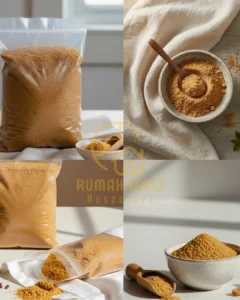
Seho Granule
Granulated palm sugar that can be explored for baking, dessert preparation, beverage mixes, and selected food applications.
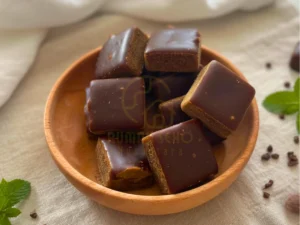
Seho Solide
Solid palm sugar suitable for traditional preparations and other recipes that require palm sugar in solid form.
For café owners, Seho Sirop is particularly worth evaluating when developing signature beverages that use liquid palm sugar.
However, the best product depends on your recipe, preparation method, and operational needs. We encourage businesses to test ingredients in their own formulations and review the relevant product specifications before making purchasing decisions.
By working with Indonesian agricultural ingredients, cafés can explore new flavor possibilities while introducing customers to products rooted in local resources.
Conclusion
Creating a unique café menu requires more than following popular beverage trends. It requires creativity, ingredient knowledge, consistent execution, and a clear understanding of customer preferences.
Indonesian ingredients offer café owners an opportunity to explore distinctive flavors and develop beverages inspired by the country’s agricultural diversity. From tropical fruits and aromatic spices to coconut and Arenga palm sugar, local products can become valuable elements of modern café concepts.
With the right ingredient selection and recipe development, traditional flavors can be transformed into contemporary signature beverages.
PT. Rumah Seho Nusantara, through its L’Arbre Seho brand, invites cafés, coffee shops, and food and beverage businesses to explore the potential of Indonesian Arenga palm sugar through Seho Sirop, Seho Granule, and Seho Solide.
Discover how Indonesian palm sugar can become part of your next beverage innovation.
Contact Us
PT. Rumah Seho Nusantara – L’Arbre Seho
- Website: www.palmlarbreseho.com
- Email: export@palmlarbreseho.com
- WhatsApp: +62 896 9888 2428
- Instagram: @rsn_indonesia
Contact our team to learn more about our products and explore potential applications for your café or beverage business.