How Ingredient Specifications Protect Your Product Formulation
Developing a successful food product requires more than choosing good ingredients. Food manufacturers must ensure that every ingredient performs as expected, from the first production trial to large-scale manufacturing.
A biscuit manufacturer, for example, may develop a recipe that delivers the perfect sweetness, texture, and color. However, if the ingredients change between deliveries, the finished biscuits may no longer match the approved product. Even when employees follow the same recipe, variations in moisture, particle size, or sweetness can affect the final result.
This is where ingredient specifications become essential.
Ingredient specifications define the characteristics and quality requirements that raw materials must meet before manufacturers use them in production. They help businesses control ingredient variation, protect product formulations, and establish clear expectations for suppliers.
For food manufacturers, understanding and applying ingredient specifications can reduce production problems, improve consistency, and support long-term product quality.
1. What Are Ingredient Specifications?
Ingredient specifications are documented requirements that describe the acceptable characteristics of a raw material. They help manufacturers determine whether an ingredient is suitable for a particular formulation and production process.
Depending on the ingredient, specifications may cover moisture content, particle size, color, flavor, composition, viscosity, soluble solids concentration, microbiological criteria, and applicable contaminant limits.
For example, a manufacturer purchasing granulated palm sugar may require specific moisture and particle size ranges. Meanwhile, a beverage producer using palm syrup may focus on Brix, viscosity, flavor characteristics, and relevant food safety parameters.
These requirements should reflect the actual needs of the finished product. Not every parameter is equally important for every application.
Furthermore, specifications should be clear enough for both the buyer and supplier to understand. General descriptions such as premium quality are not sufficient when a manufacturer needs measurable acceptance criteria.
By documenting the right requirements, businesses can make ingredient purchasing more consistent and reduce uncertainty during production.
2. Protect Your Original Product Formulation
A product formulation is developed around specific ingredient characteristics and proportions. When those characteristics change, the formulation may behave differently even if the ingredient quantities remain unchanged.
Consider a bakery that uses palm sugar to produce chocolate cookies. The approved recipe depends on a particular balance of sweetness, moisture, and other ingredients. If the palm sugar’s moisture content or particle size varies significantly, the dough may behave differently during mixing and baking.
As a result, the cookies could develop different textures, colors, or flavor profiles.
Ingredient specifications help prevent unexpected changes by defining the acceptable characteristics of the raw materials used in the recipe.
When incoming ingredients meet the agreed requirements, manufacturers have a stronger basis for reproducing the intended product. However, specifications cannot eliminate every source of variation. Equipment settings, processing conditions, storage, and employee practices must also remain under control.
Therefore, treat ingredient specifications as one part of a broader formulation protection system.
3. Control the Characteristics That Matter Most
Not every ingredient characteristic has the same effect on a finished product. Manufacturers should identify the parameters that have the greatest influence on their formulations.
For example, moisture content can affect handling, storage, and texture in certain dry ingredient applications. Particle size may influence how evenly an ingredient blends into a mixture. Meanwhile, soluble solids concentration can be important when using liquid sweeteners in beverages or sauces.
Consider palm sugar in a commercial baking formulation. If granulated sugar contains particles that differ considerably from the approved specification, it may distribute differently during mixing. Depending on the recipe and process, this could influence product uniformity.
For palm syrup, differences in Brix may affect the amount of syrup needed to achieve the intended sweetness or soluble solids contribution. Nevertheless, Brix alone does not determine flavor, quality, or food safety.
The key is to connect each specification to a practical manufacturing requirement.
Start by reviewing your formulation and production process. Then identify which raw material characteristics need defined limits, how they should be measured, and what action to take when a delivery does not meet the requirements.
This approach makes specifications more useful than a simple checklist of technical values.
4. Reduce Production Problems and Unnecessary Costs
Ingredient variation can create additional work for production teams. Employees may need to adjust recipes, repeat tests, change processing conditions, or investigate unexpected differences in finished products.
These activities consume time and resources. In more serious cases, manufacturers may experience rejected batches, rework, wasted ingredients, or customer complaints.
Ingredient specifications help reduce these risks by establishing clear acceptance criteria before production begins.
For example, a food manufacturer can check whether incoming palm sugar meets the agreed moisture and particle size requirements. If the ingredient falls outside the approved limits, the quality team can evaluate it before it enters production.
This prevents the business from discovering avoidable ingredient problems only after manufacturing has started.
Moreover, consistent raw materials make production planning more predictable. When ingredients behave as expected, manufacturers can standardize processes, estimate consumption more accurately, and reduce unnecessary formulation adjustments.
Although establishing specifications requires time and testing, it can support better cost control over the long term.
5. Improve Communication with Ingredient Suppliers
Ingredient specifications create a shared reference point between manufacturers and suppliers. Instead of relying on general expectations, both parties can discuss specific product characteristics and measurable requirements.
For example, a manufacturer may explain that its production process requires granulated palm sugar within an agreed particle size range. The supplier can then assess whether the product meets that requirement and provide relevant product information.
Similarly, a beverage company purchasing palm syrup can request specifications for Brix, storage conditions, and other characteristics relevant to its formulation.
Clear documentation also helps when a supplier changes a production method, raw material source, or product specification. Such changes should be communicated and evaluated before the ingredient is approved for continued use.
In addition, manufacturers should agree on how quality will be assessed, which documents will accompany deliveries, and how nonconforming materials will be handled.
A strong supplier relationship depends on clear expectations, reliable communication, and a shared understanding of product requirements.
6. Use Specifications Together with a Certificate of Analysis
Ingredient specifications describe the requirements a product is expected to meet. A Certificate of Analysis (COA), meanwhile, reports analytical results for specified parameters in a particular sample or batch.
These documents serve different but complementary purposes.
For example, a palm sugar specification may define a maximum moisture content. A COA may then report the measured moisture content for the tested sample.
The manufacturer can compare the result with the agreed limit to determine whether it meets that particular requirement.
However, a COA does not automatically confirm that every aspect of the ingredient meets all purchasing or food safety requirements. Buyers should review the parameters tested, analytical methods, units, sample identification, and acceptance criteria.
If the COA does not include a parameter important to the formulation, the manufacturer may need additional documentation or testing.
Furthermore, confirm that the documents refer to the correct product and relevant batch. This is particularly important when purchasing several product forms from the same supplier.
Using specifications and analytical results together provides a more structured basis for ingredient approval.
7. Establish an Ingredient Approval and Monitoring Process
Creating ingredient specifications is only the beginning. Manufacturers also need a process to approve new raw materials and monitor their quality over time.
Start by identifying the critical characteristics of each ingredient. Document the applicable specifications and communicate them to the supplier.
Next, evaluate samples through laboratory testing, sensory assessment, and application trials where appropriate. Confirm that the ingredient performs as expected in the actual formulation before approving it for regular production.
Once approved, establish incoming inspection procedures based on the ingredient’s risk, variability, and intended use. Depending on the situation, these checks may include reviewing documentation, inspecting packaging, measuring selected parameters, or conducting laboratory tests.
Manufacturers should also maintain records of supplier deliveries, test results, production performance, and quality deviations.
If a batch falls outside the approved requirements, follow a documented process to hold, investigate, accept, or reject the material. Do not make an undocumented formulation change simply to accommodate an unexpected ingredient variation.
Finally, review specifications when the formulation, equipment, regulatory requirements, or manufacturing process changes.
This system helps ensure that ingredient requirements remain relevant to the product and its production needs.
Why Ingredient Specifications Matter When Sourcing Indonesian Palm Sugar
For food manufacturers using palm sugar, specifications help establish whether a particular product form is suitable for the intended application.
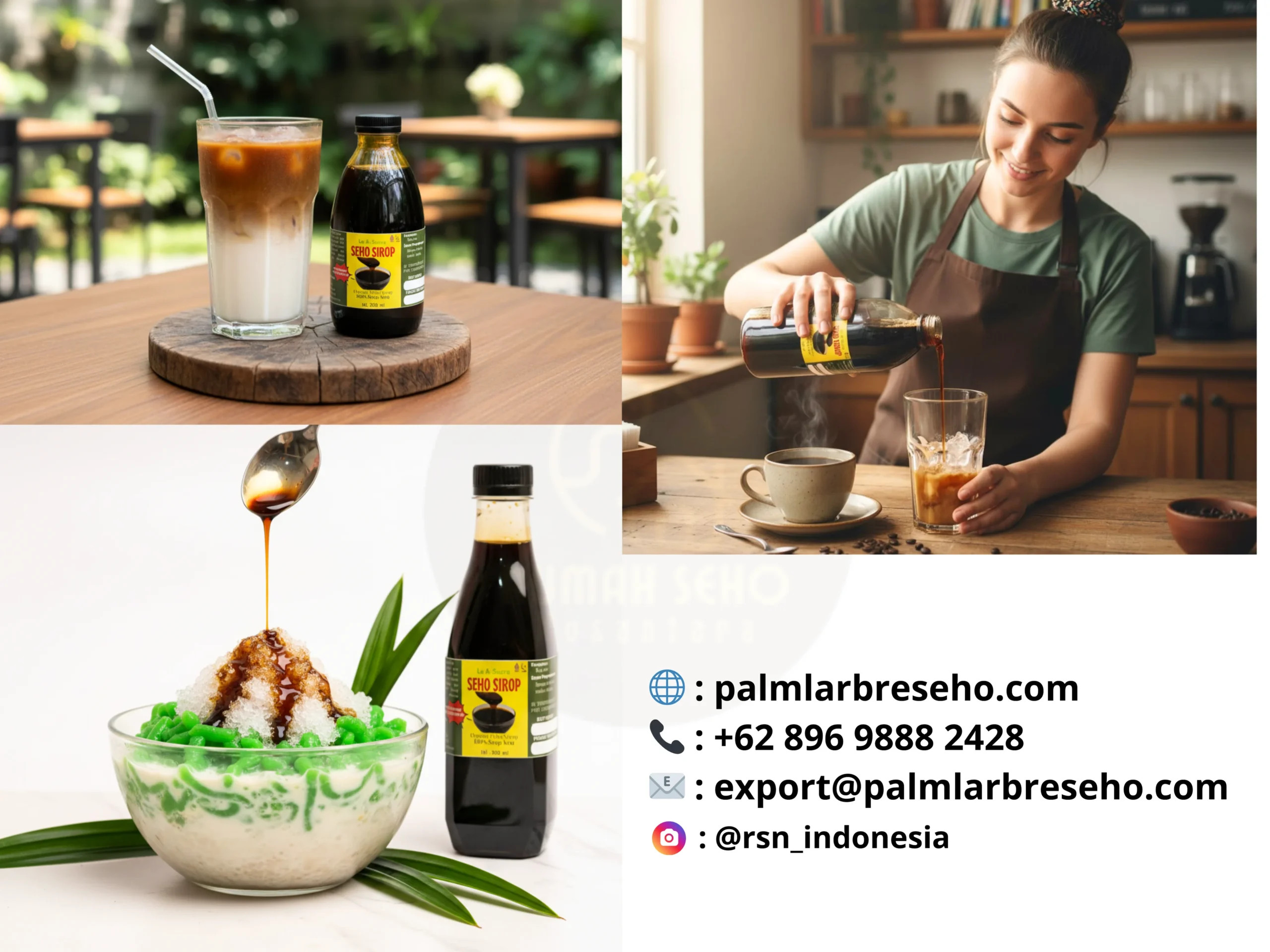
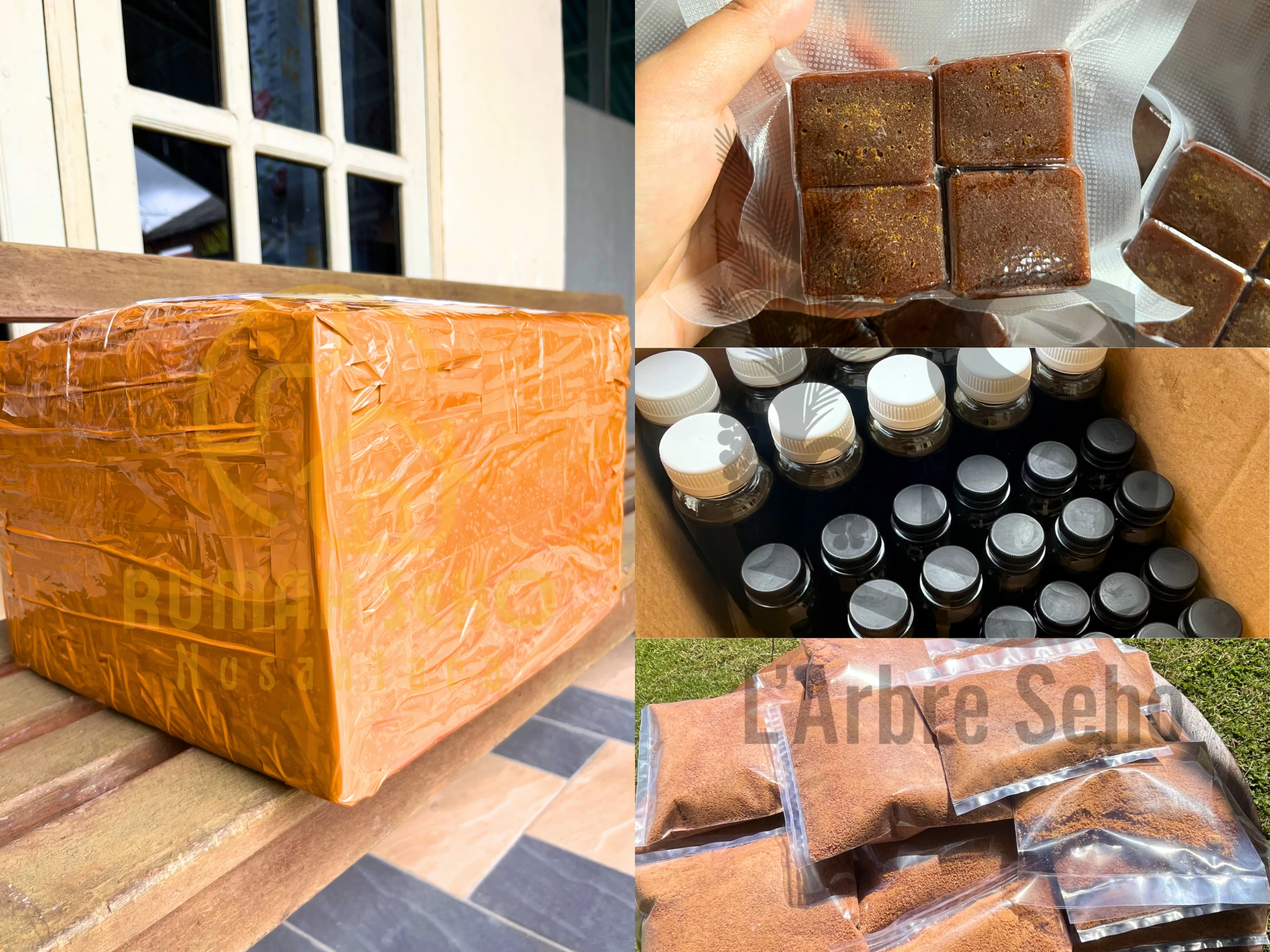
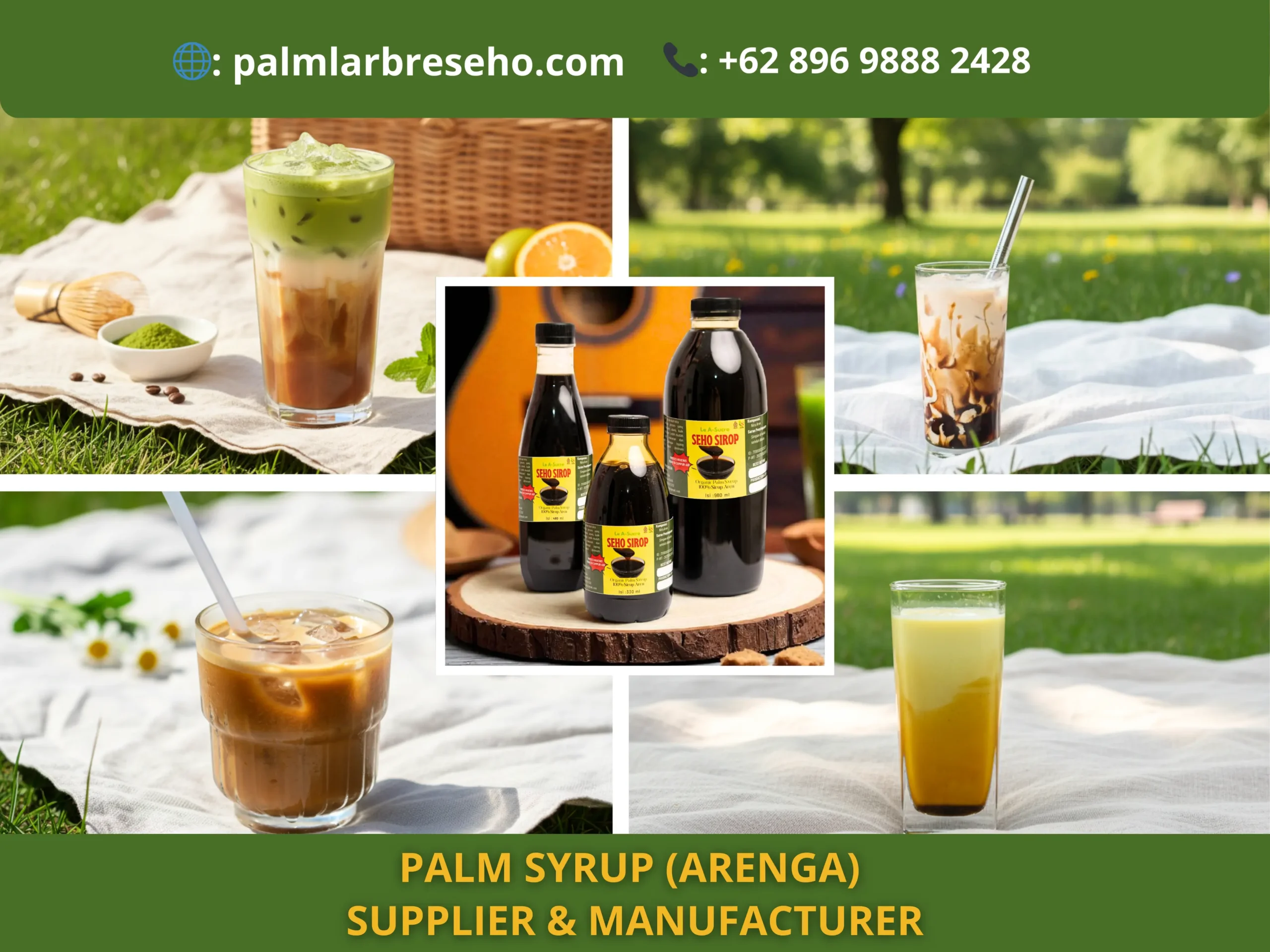
L’Arbre Seho, a brand of PT. Rumah Seho Nusantara, offers Seho Granule, Seho Solide, and Seho Sirop made from Arenga palm sap. These products provide different options for businesses developing biscuits, baked goods, confectionery, sauces, beverages, and other food products.
However, each application may require different quality parameters. A bakery using granulated palm sugar may prioritize moisture, particle size, and flavor characteristics. A beverage manufacturer using palm syrup may focus on Brix, viscosity, and formulation performance.
Therefore, buyers should request the relevant specifications for the product they intend to purchase and evaluate the ingredient through suitable application trials.
As a manufacturer and exporter of Indonesian palm sugar, PT. Rumah Seho Nusantara serves business buyers exploring palm sugar ingredients for different applications. Establishing clear requirements helps both manufacturers and suppliers determine whether a product meets the intended technical and commercial needs.
Conclusion
Ingredient specifications protect your product formulation by defining the raw material characteristics needed for consistent manufacturing. They help control variation, reduce production risks, improve communication with suppliers, and provide a clear basis for evaluating incoming ingredients.
For the best results, manufacturers should identify the parameters that matter most to their formulations, document measurable acceptance criteria, review relevant quality documents, and test ingredients under actual production conditions.
PT. Rumah Seho Nusantara, through its L’Arbre Seho brand, offers Seho Granule, Seho Solide, and Seho Sirop for businesses exploring Indonesian palm sugar. By reviewing the relevant specifications and evaluating each product against your formulation requirements, you can make more informed sourcing decisions and establish clearer quality expectations for your manufacturing process.
Contact Us
PT. Rumah Seho Nusantara
- Website: www.palmlarbreseho.com
- Email: export@palmlarbreseho.com
- WhatsApp: +62 896 9888 2428
- Instagram: @rsn_indonesia
Contact us to learn more about our palm sugar products and discuss their potential applications for your food manufacturing business.