How Sweetener Selection Affects Beverage Flavor and Product Consistency
Sweetness is one of the defining characteristics of many commercial beverages. However, selecting a sweetener involves much more than determining how sweet a product should taste.
The type of sweetener used can influence a beverage’s flavor profile, mouthfeel, color, formulation behavior, and consistency during production. For beverage manufacturers, these factors are important because customers expect the same product experience every time they purchase a drink.
Whether developing ready-to-drink coffee, bottled tea, flavored milk, chocolate beverages, or tropical fruit drinks, choosing the right sweetener is an important part of formulation development.
Different sweeteners have different sensory characteristics and physical properties. Some contribute relatively neutral sweetness, while others introduce additional flavor notes. Their concentration, solubility, and interaction with other ingredients can also affect the manufacturing process.
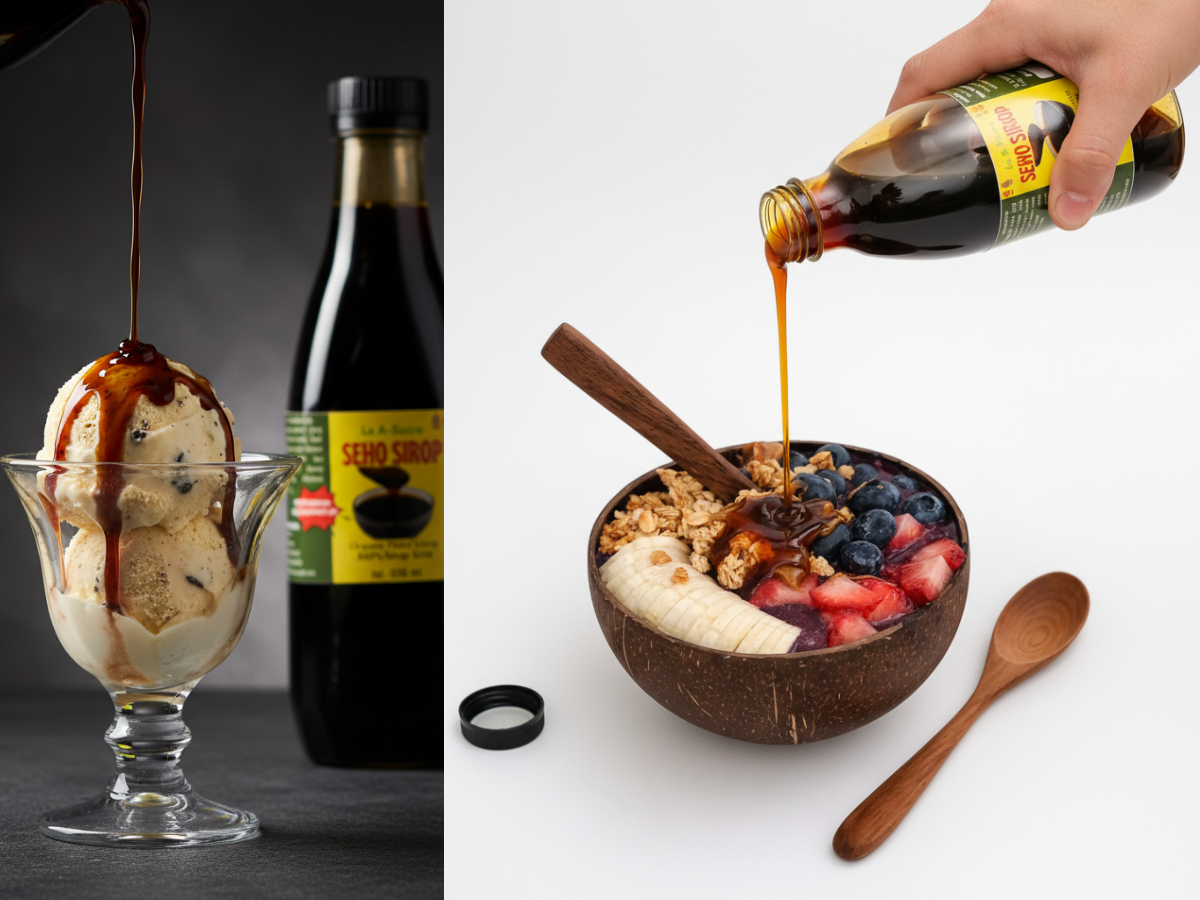
One ingredient manufacturers can explore is Seho Sirop by L’Arbre Seho, an Indonesian liquid Arenga palm sugar product made from the sap of the Arenga palm (Arenga pinnata).
With its characteristic sweetness, caramel-like flavor notes, and liquid format, Seho Sirop offers an alternative ingredient to evaluate in beverage formulations where both sweetness and flavor contribution matter.
This article explains how sweetener selection affects beverage quality and what manufacturers should consider when evaluating palm sugar syrup for commercial applications.
1. Sweeteners Do More Than Add Sweetness
In beverage formulation, sweeteners serve several functions depending on the product category and formulation requirements.
Their contribution may extend beyond sweetness to influence the overall sensory experience and physical characteristics of the finished product.
Flavor Profile and Sensory Experience
Different sweeteners can produce different sensory results.
Some sweeteners contribute relatively neutral sweetness, allowing the primary ingredients to remain the dominant flavors. Others have characteristic flavor notes that become part of the beverage’s identity.
Palm sugar syrup has characteristic sweetness and caramel-like flavor notes that may complement coffee, cocoa, milk, tea, and selected fruit-based formulations.
This can be useful when manufacturers want to develop a beverage with a more distinctive flavor profile.
However, the additional flavor contribution must be considered carefully. A sweetener that works well in a chocolate beverage may not produce the same result in a delicate tea formulation.
Mouthfeel and Body
Sweetener selection can also influence how a beverage feels in the mouth.
Depending on its concentration and the complete formulation, a sweetener may contribute to perceived body, thickness, or texture.
This is particularly relevant for products such as milk-based beverages, dessert-inspired drinks, and concentrated beverage preparations.
Manufacturers should evaluate the overall mouthfeel rather than relying only on sweetness measurements.
Color and Appearance
Some sweeteners contribute color to the finished beverage.
This can influence the appearance of products where visual consistency is important, such as bottled milk coffee, tea beverages, and clear or lightly colored drinks.
When selecting a sweetener, manufacturers should consider whether its color is compatible with the intended product appearance.
Formulation and Processing Behavior
The physical form of a sweetener can influence how it is handled during production.
Liquid sweeteners, for example, may be convenient for applications that require liquid ingredients. Solid sweeteners may require dissolution before incorporation into certain beverage formulations.
The actual processing benefits depend on the production equipment, ingredient specifications, and formulation.
2. Understanding Different Sweetener Characteristics
There is no single sweetener that is ideal for every beverage application.
Manufacturers should select ingredients based on the desired sensory profile, technical requirements, production process, and commercial objectives.
Neutral Sweeteners
Some sweeteners are selected primarily for their ability to contribute sweetness without introducing a strong additional flavor.
These may be appropriate when manufacturers want the primary beverage ingredients to remain prominent.
For example, a product developer creating a delicate tea beverage may prefer a sweetener that has minimal influence on the tea’s original aroma and taste.
Flavor-Contributing Sweeteners
Other sweeteners contribute their own characteristic flavor.
Palm sugar syrup is one example. Its characteristic sweetness and caramel-like notes can become part of the beverage’s sensory identity.
This creates opportunities for manufacturers to develop distinctive formulations, such as palm sugar coffee, chocolate beverages, or specialty milk drinks.
The important consideration is whether the additional flavor supports the intended product concept.
Liquid Sweeteners
Liquid sweeteners can be relevant when a formulation requires a syrup-based ingredient.
Depending on the manufacturing setup, their liquid format may be convenient for measuring, dispensing, and incorporation.
However, manufacturers should still evaluate viscosity, concentration, mixing behavior, and equipment compatibility.
Solid Sweeteners
Solid sweeteners may be suitable for manufacturing processes designed to handle dry ingredients.
Depending on the formulation, they may require an additional dissolution step before being incorporated into a beverage.
The choice between liquid and solid formats should therefore be based on production requirements rather than assuming that one format is universally better.
3. How Sweetener Selection Influences Beverage Flavor
Flavor compatibility is one of the most important considerations when choosing a sweetener.
A suitable sweetener should support the intended beverage profile rather than overpower its primary ingredients.
Coffee Beverages
Coffee has a distinctive flavor profile that can include roasted, bitter, acidic, and aromatic characteristics.
Seho Sirop can be evaluated in products such as:
- Ready-to-drink coffee.
- Palm sugar latte.
- Bottled milk coffee.
- Iced coffee beverages.
- Espresso-based beverage concentrates.
Its caramel-like flavor notes may complement roasted coffee characteristics and create an alternative sensory profile.
During formulation, manufacturers should evaluate sweetness intensity, coffee aroma, color, and overall flavor balance.
Tea-Based Beverages
Tea formulations often require careful sweetener selection because the sweetener can influence the perception of delicate tea aromas.
Seho Sirop can be explored in milk tea, black tea beverages, iced tea, and selected fruit-and-tea combinations.
The appropriate dosage will depend on the tea variety and intended flavor profile.
For products where tea character is the main focus, manufacturers should ensure that the syrup’s flavor does not dominate the finished beverage.
Chocolate and Cocoa Beverages
Chocolate and cocoa formulations can provide an opportunity to explore sweeteners with additional flavor characteristics.
Palm sugar syrup may complement cocoa’s roasted and rich flavor profile.
Potential applications include bottled chocolate milk, iced chocolate, cocoa-based drinks, and chocolate-coffee combinations.
Sensory trials should establish the appropriate balance between cocoa intensity, sweetness, and the characteristic notes of the syrup.
Milk-Based Beverages
Milk-based products require attention to both flavor and physical compatibility.
Seho Sirop can be evaluated in flavored milk, specialty milk drinks, and dessert-inspired beverages.
Manufacturers should assess how the syrup interacts with the selected milk ingredients, particularly regarding appearance, mixing behavior, mouthfeel, and finished-product stability.
Tropical Fruit Beverages
Fruit-based formulations introduce another set of flavor considerations.
The sweetener should complement the fruit’s natural characteristics without masking its intended flavor.
Seho Sirop can be explored in selected combinations involving coconut, mango, banana, and other tropical fruit ingredients.
Application trials can help determine whether its flavor contribution supports the desired product concept.
4. Sweetener Selection and Product Consistency
A beverage may have an excellent initial formulation, but maintaining the same quality across multiple production batches is a separate challenge.
Product consistency depends on several factors, including ingredient specifications, supplier controls, formulation accuracy, and manufacturing procedures.
Sweetener selection plays an important role because differences in ingredient characteristics can affect the finished product.
Consistent Sweetness Levels
Manufacturers need to establish a defined sweetness target for each beverage.
The amount of sweetener used should be standardized according to the actual product specifications and formulation requirements.
For liquid sweeteners, Brix can provide useful information about soluble solids concentration.
However, Brix should not be treated as a direct measurement of perceived sweetness. Flavor characteristics and the other ingredients in the beverage also influence the final sensory result.
Consistent Flavor Profiles
A sweetener with characteristic flavor notes can contribute to the identity of a beverage.
However, manufacturers need to ensure that the flavor contribution remains within the intended product specifications.
Differences in raw material characteristics or supplier batches may influence the final sensory profile.
For this reason, manufacturers should establish sensory acceptance criteria and evaluate incoming ingredients when necessary.
Consistent Color and Appearance
Color can be an important quality parameter, especially for bottled beverages where consumers expect a recognizable appearance.
Sweeteners that contribute natural color should be evaluated against the finished product’s visual specifications.
Manufacturers can establish acceptable color ranges and monitor the finished product during quality control.
Consistent Physical Characteristics
Sweetener concentration and viscosity may influence mixing, dispensing, and the physical characteristics of the finished beverage.
For products involving layered ingredients or syrup toppings, these factors can become particularly important.
Manufacturers should define relevant physical quality parameters and use consistent testing methods.
5. Important Technical Factors When Selecting a Sweetener
Before introducing a sweetener into commercial production, manufacturers should evaluate its technical characteristics.
The following factors can help R&D and quality assurance teams make more informed decisions.
Brix and Soluble Solids
Brix is commonly used to indicate soluble solids concentration in liquid ingredients.
For beverage formulation, this information helps manufacturers calculate ingredient contributions and establish formulation targets.
When evaluating Seho Sirop, manufacturers should request the applicable product specifications and use them as a reference during formulation trials.
Viscosity
Viscosity describes a liquid’s resistance to flow.
It can affect ingredient handling, pumping, dispensing, and mixing.
It is also relevant when a syrup is intended for toppings, drizzles, or glazing.
For meaningful comparisons, viscosity should be measured under defined conditions, including temperature and testing method.
Flavor and Aroma
Sensory evaluation helps manufacturers understand how a sweetener contributes to the overall beverage profile.
The evaluation should consider sweetness, aroma, aftertaste, and compatibility with the primary ingredients.
Testing the sweetener in the actual beverage formulation is more informative than evaluating it only as a standalone ingredient.
Solubility and Mixing Behavior
Manufacturers should assess how easily a sweetener can be incorporated into the intended formulation.
For liquid syrups, this includes evaluating mixing performance and compatibility with the production process.
The result may depend on ingredient concentration, temperature, mixing sequence, and equipment.
Processing Compatibility
Some beverages undergo heating or other processing treatments before packaging.
Manufacturers should evaluate whether the sweetener maintains the desired flavor, color, and physical characteristics under the actual processing conditions.
Testing should be conducted using the intended formulation and manufacturing process.
Finished Product Stability
The performance of a sweetener should also be assessed throughout the intended storage period.
Finished-product testing may include sensory characteristics, physical stability, microbiological quality, and other relevant parameters.
A supplier’s ingredient specifications alone cannot establish the shelf life of the final beverage.
6. Why Liquid Palm Sugar Syrup Is Worth Evaluating
For manufacturers exploring alternative sweetener options, liquid palm sugar syrup offers a combination of a liquid format and characteristic flavor contribution.
Seho Sirop provides an opportunity to evaluate these characteristics in different beverage categories.
A Distinctive Ingredient Identity
Made from Arenga palm sap, Seho Sirop introduces an Indonesian agricultural ingredient into beverage formulation.
Its characteristic sweetness and caramel-like flavor notes may complement selected beverage concepts.
This can be relevant for brands looking to develop products with a distinctive ingredient identity.
Flexible Beverage Applications
Seho Sirop can be evaluated in several applications, including:
- Ready-to-drink coffee.
- Milk-based beverages.
- Tea and specialty drinks.
- Chocolate and cocoa beverages.
- Tropical fruit beverages.
- Dessert-inspired beverages.
Its potential use is not limited to one beverage category. The final suitability depends on the formulation and required product characteristics.
Liquid Format for Formulation Development
The liquid format makes Seho Sirop relevant to recipes that require syrup-based ingredients.
Manufacturers can evaluate its handling, dosage, and incorporation into existing production systems.
The actual operational suitability should be confirmed through production trials.
7. How Manufacturers Can Maintain Sweetener Consistency Across Batches
Selecting the right sweetener is only the first step. Manufacturers also need a system to maintain ingredient and finished-product consistency.
The following practices can help support that objective.
1. Establish Ingredient Specifications
Define the required quality parameters for each sweetener, including relevant Brix, viscosity, appearance, and sensory characteristics.
2. Evaluate Supplier Documentation
Request available technical specifications and batch-specific Certificates of Analysis (COA). Review the reported results, testing methods, and applicable acceptance limits.
3. Conduct Incoming Quality Checks
Inspect incoming ingredients against established specifications. Depending on the product, this may include visual inspection, Brix measurement, and sensory evaluation.
4. Standardize Formulations
Document exact ingredient quantities, mixing sequences, and processing conditions.
5. Monitor Production Parameters
Maintain consistent production procedures and monitor relevant quality indicators during manufacturing.
6. Evaluate Finished Products
Check finished beverages against defined acceptance criteria for sweetness, flavor, color, appearance, and other relevant quality parameters.
7. Review Supplier Performance
Monitor ingredient consistency across deliveries and communicate any deviations to the supplier.
These practices help reduce unnecessary variation and support more reliable beverage production.
8. What Beverage Manufacturers Should Consider Before Sourcing Seho Sirop
For manufacturers considering Seho Sirop as a sweetener or flavor-contributing ingredient, a structured sourcing evaluation is recommended.
Before moving to larger purchasing volumes, consider the following:
- Product specifications: Request available technical information, including Brix and other relevant quality parameters.
- Sample evaluation: Test the syrup in the actual beverage formulation.
- Sensory compatibility: Evaluate sweetness, flavor, aroma, and aftertaste.
- Processing requirements: Confirm whether the ingredient is compatible with the intended manufacturing process.
- Packaging options: Discuss available packaging formats and suitability for production handling.
- Supply arrangements: Clarify purchasing volumes, order requirements, and supply capacity.
- Quality documentation: Review available COA and batch identification information.
- Delivery and logistics: Confirm lead times, shipping arrangements, and applicable commercial terms.
A clear evaluation process helps procurement and R&D teams determine whether Seho Sirop is suitable for their technical and commercial requirements.
Why Choose Seho Sirop from L’Arbre Seho?
Seho Sirop is part of L’Arbre Seho, a brand of PT. Rumah Seho Nusantara, an Indonesian palm sugar manufacturer and exporter.
Made from Arenga palm sap, Seho Sirop offers beverage manufacturers an opportunity to explore a liquid palm sugar ingredient with characteristic sweetness and caramel-like flavor notes.
Its potential applications include coffee, tea, chocolate, milk-based beverages, tropical fruit drinks, and selected creative beverage concepts.
For manufacturers, the value of exploring Seho Sirop lies in evaluating how its flavor characteristics and liquid format can contribute to a specific product formulation.
Rather than assuming that one sweetener works for every application, manufacturers can conduct sample evaluations and formulation trials to determine the most suitable use.
L’Arbre Seho welcomes discussions with beverage manufacturers, ingredient distributors, and business partners interested in sourcing Indonesian Arenga palm syrup.
Conclusion
Sweetener selection is an important decision in beverage manufacturing because it influences more than sweetness alone.
The right ingredient can contribute to the intended flavor profile, mouthfeel, appearance, and formulation requirements. At the same time, consistent ingredient specifications and standardized production procedures are essential for maintaining product quality across batches.
For manufacturers exploring a sweetener with distinctive flavor characteristics, Seho Sirop offers an opportunity to evaluate Indonesian Arenga palm sugar syrup in different beverage applications.
From ready-to-drink coffee and tea to chocolate, milk-based, and tropical fruit beverages, its potential should be assessed through systematic formulation trials and technical evaluation.
Ultimately, consistent beverage quality begins with informed ingredient selection, reliable sourcing, and effective quality control throughout production.
Explore Seho Sirop by L’Arbre Seho as part of your next beverage formulation and ingredient sourcing evaluation.
Contact Us
PT. Rumah Seho Nusantara – L’Arbre Seho
- Website: www.palmlarbreseho.com
- Email: export@palmlarbreseho.com
- WhatsApp: +62 896 9888 2428
- Instagram: @rsn_indonesia
Contact our team to discuss Seho Sirop product specifications, sample requests, packaging options, and potential sourcing arrangements for your beverage manufacturing business.