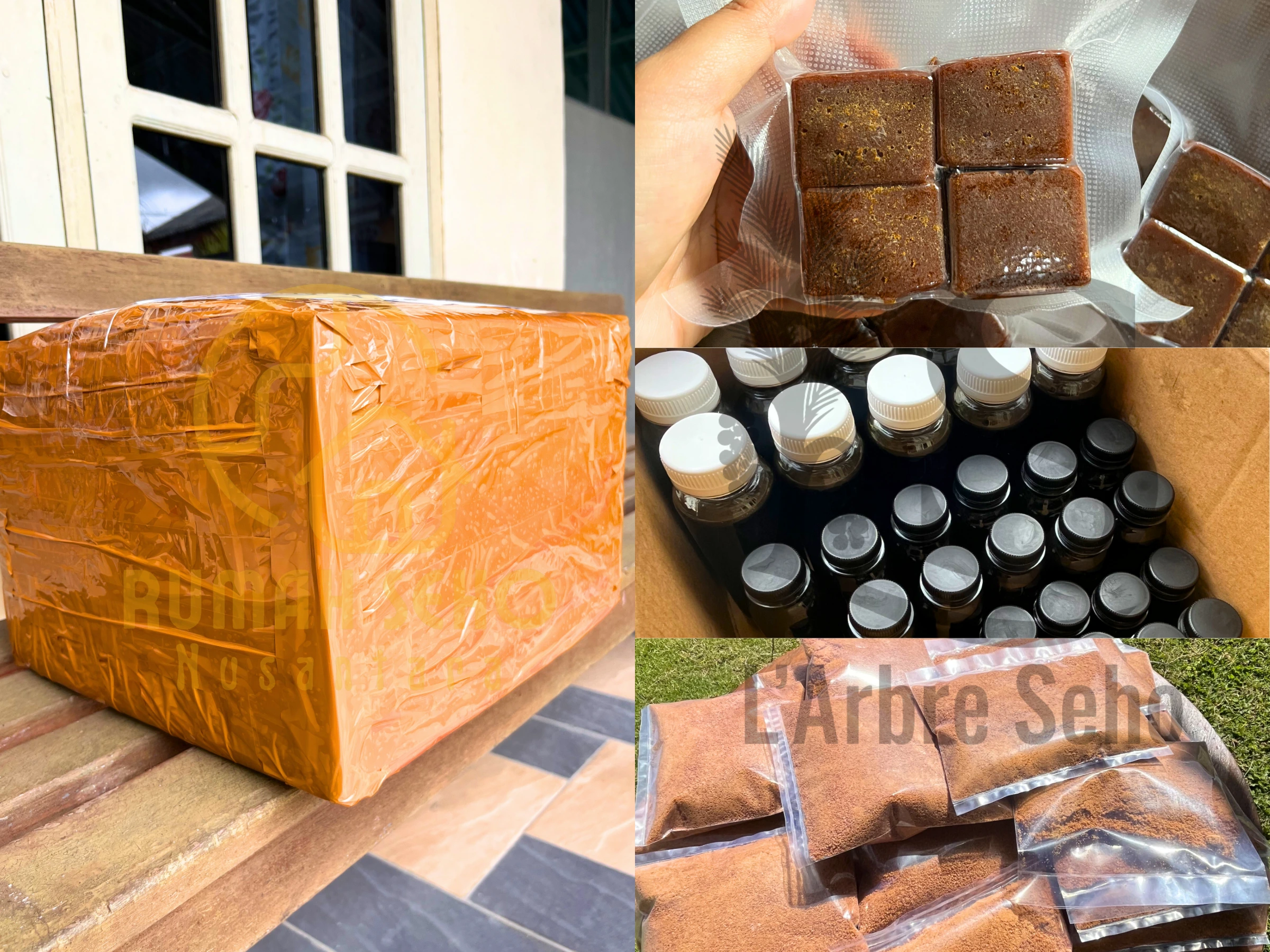
Arenga Palm Sugar Syrup Specification: Explained for F&B Industry
In today’s food and beverage industry, manufacturers are no longer looking for sweeteners that only provide sweetness. Modern F&B production requires ingredients that are stable, practical, efficient, and consistent across large-scale manufacturing.
Because of this shift, many beverage and food companies are now exploring alternatives to refined sugar and conventional liquid sweeteners. One ingredient that continues gaining attention is arenga palm sugar syrup.
However, for industrial buyers, choosing a syrup is not only about taste. Technical specifications play a major role in determining whether an ingredient can truly support production efficiency and product consistency.
That is why understanding arenga palm sugar syrup specification becomes essential for F&B manufacturers.
Why Specifications Matter in F&B Production
In industrial production, even small variations can affect the final product.
For example, unstable sweetness levels may change beverage taste profiles. Inconsistent viscosity can disrupt filling systems. Meanwhile, uncontrolled mineral content may affect product appearance or shelf stability.
Because of this, reliable specifications help manufacturers maintain:
- consistent taste
- stable texture
- efficient production flow
- predictable shelf life
Therefore, ingredient specifications are not just technical numbers. They directly influence production performance and brand consistency.
Brix 70–72: Why It Matters
One of the most important parameters in arenga palm sugar syrup specification is Brix level.
Our arenga palm sugar syrup maintains a Brix range of 70–72.
This range is highly important for industrial applications because it creates a balance between sweetness, viscosity, and stability.
For beverage and food manufacturers, this specification offers several advantages:
1. More Practical for Production
A stable Brix level allows easier formulation adjustments during production.
Because of this, manufacturers can reduce unnecessary corrections during mixing and batching processes.
2. More Efficient in Large-Scale Systems
Consistent concentration helps automated production systems operate more smoothly.
As a result, dosing and blending become more predictable.
3. More Consistent Product Quality
Stable Brix means more consistent sweetness across production batches.
Therefore, the final product maintains the same taste profile from one batch to another.
For F&B brands, consistency is extremely important because consumers expect the same product experience every time they purchase.
Ash Content 1.10–1.15%: Understanding Its Role
Another important part of arenga palm sugar syrup specification is ash content.
Our syrup maintains an ash content of 1.10–1.15%.
In palm sugar products, ash content reflects the natural mineral composition within the syrup.
Controlled ash levels are important because they help maintain:
- flavor balance
- product appearance
- formulation stability
When ash content becomes too inconsistent, manufacturers may experience variation in taste or color performance.
Because of this, controlled ash content supports more reliable industrial production.
In addition, balanced mineral composition also contributes to the natural flavor depth that many manufacturers seek from arenga palm sugar syrup.
Why F&B Manufacturers Prefer Liquid Palm Sugar Solutions
Modern factories prioritize efficiency.
Compared to solid sweeteners, arenga palm sugar syrup offers several operational advantages.
Because the syrup is already in liquid form, manufacturers can integrate it more easily into:
- beverage production lines
- sauce manufacturing
- dessert applications
- dairy and plant-based formulations
This makes production:
- faster
- cleaner
- more scalable
Therefore, liquid palm sugar solutions become increasingly attractive for industrial use.
More Than Sweetness: Supporting Product Differentiation
Today’s consumers expect more than basic sweetness.
Brands now compete through:
- flavor experience
- clean-label positioning
- ingredient transparency
Because of this, many companies are switching to ingredients that help products stand out in the market.
Arenga palm sugar syrup provides subtle caramel notes and a more natural flavor profile compared to standard liquid sugar.
As a result, manufacturers can create products that feel more premium and more authentic.
PT Rumah Seho Nusantara: Supporting Industrial Consistency
At PT. Rumah Seho Nusantara, we understand that industrial buyers require more than attractive marketing claims.
They need stable specifications and reliable production systems.
As a manufacturer and exporter of palm sugar from Indonesia, we focus on consistency and performance for food and beverage manufacturing.
Our production system supports:
- stable Brix 70–72
- ash content 1.10–1.15%
- hygienic processing
- controlled production standards
Because of this, our arenga palm sugar syrup becomes:
- more practical
- more efficient
- more consistent
for large-scale beverage and food production.
Conclusion
In the modern F&B industry, ingredient consistency directly affects production quality and operational efficiency.
That is why understanding arenga palm sugar syrup specification is essential before selecting a supplier.
With a stable Brix level of 70–72 and controlled ash content of 1.10–1.15%, arenga palm sugar syrup offers a reliable solution for manufacturers seeking better formulation performance.
More importantly, it supports the growing demand for ingredients that are practical, efficient, and consistent for industrial-scale production.
For many food and beverage companies, this is no longer just about replacing sugar.
It is about upgrading product performance strategically.
for more information :