Choosing a Palm Sugar Supplier: What B2B Buyers Should Check
Choosing a palm sugar supplier is an important decision for any food or beverage business. The right supplier can help maintain product quality, control production costs, and support long-term business growth.
However, finding a supplier involves more than comparing prices.
Food manufacturers, importers, distributors, cafés, and bakeries need to understand what a supplier can deliver. They must also evaluate product consistency, manufacturing processes, documentation, and delivery capabilities.
So, what should B2B buyers check before choosing a palm sugar supplier in Indonesia?
The answer starts with understanding your business needs and evaluating whether a supplier can meet them consistently.
1. Check the Origin and Type of Palm Sugar
The first step is to understand the product you are buying.
Palm sugar can come in different forms and from different palm species. These differences can affect flavor, color, texture, and application.
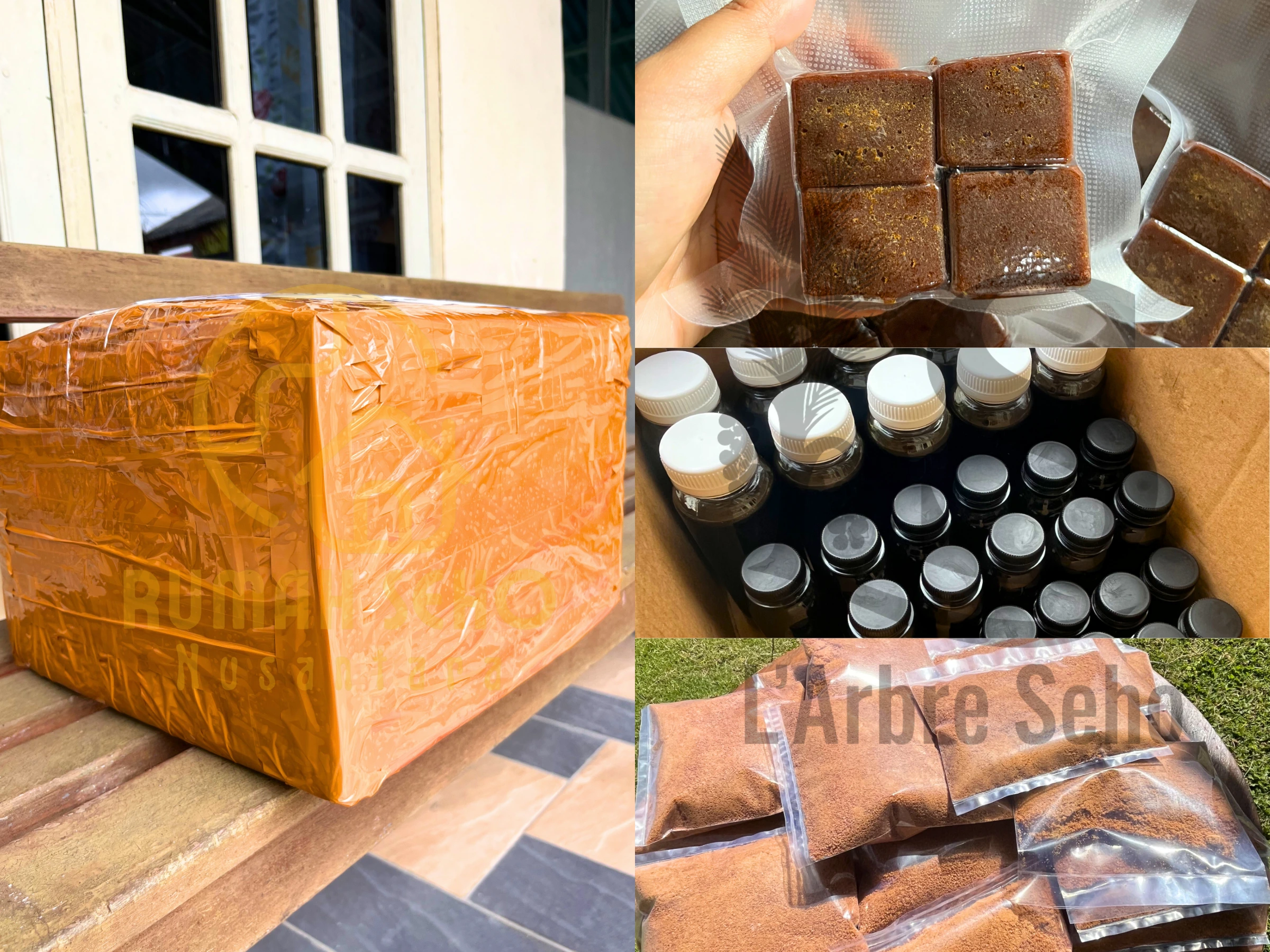
For example, Arenga palm sugar comes from the sap of Arenga pinnata. It can be processed into liquid syrup, granulated sugar, or solid palm sugar.
Each format serves different purposes.
Palm syrup can suit beverages, sauces, and liquid recipes. Granulated palm sugar may work well in baking and dry formulations. Meanwhile, solid palm sugar can support traditional recipes and applications that require a solid sweetener.
Therefore, buyers should identify the right format before requesting a quotation.
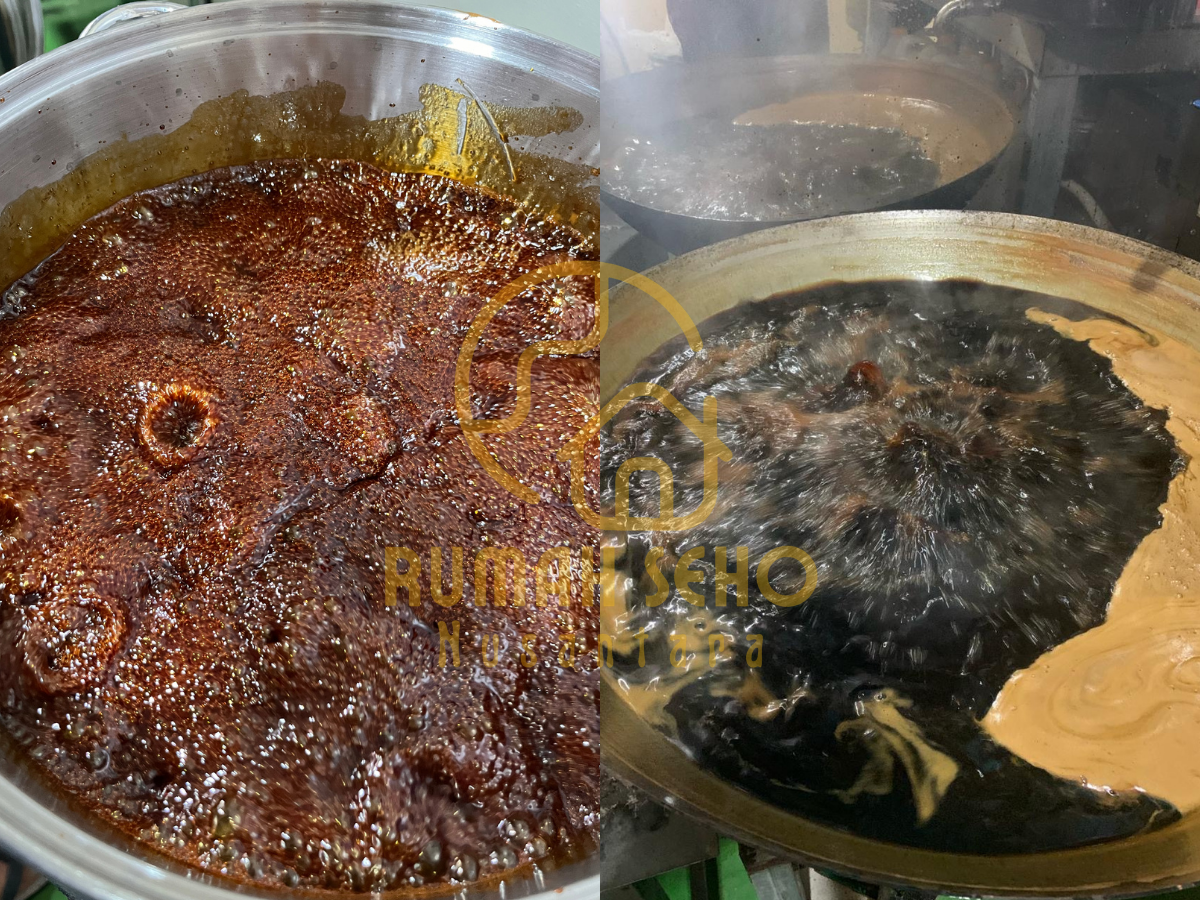
Ask the supplier about the raw material, ingredients, processing method, and available product specifications. This information helps you determine whether the product fits your intended application.
2. Evaluate Product Quality and Consistency
A good sample is a useful starting point. However, it does not guarantee consistent quality across future orders.
For B2B buyers, consistency is essential.
A bakery needs predictable ingredient performance. A beverage manufacturer needs reliable sweetness and concentration. Similarly, an importer needs products that meet agreed specifications across multiple shipments.
Before choosing a supplier, request a technical specification sheet.
Depending on the product, this document may include Brix, moisture, ash content, appearance, shelf life, storage conditions, and other relevant parameters.
For palm syrup, Brix can help buyers understand the concentration of soluble solids. However, Brix alone does not establish overall quality or food safety.
Laboratory testing can provide additional evidence about specific product characteristics.
As a result, buyers can make decisions based on documented specifications rather than appearance or taste alone.
3. Verify Certifications and Supporting Documents
Certifications and technical documents help buyers assess a supplier’s credibility.
For businesses serving halal-conscious markets, Halal certification may be an important purchasing requirement. Buyers should verify that the certificate applies to the relevant product and remains valid.
However, certification is only one part of the evaluation.
Depending on the product and destination market, buyers may also need laboratory test results, product specifications, ingredient information, and other compliance documents.
Export shipments can require additional documentation. Requirements vary according to the destination country, product category, and buyer’s needs.
Therefore, do not assume that one certificate automatically satisfies every market requirement.
Instead, explain your target market to the supplier and confirm which documents are available. This step can help prevent delays during procurement and export preparation.
4. Understand the Supplier’s Production Capacity
A supplier may offer an attractive price but struggle to fulfill larger orders.
This can become a serious problem when your business grows.
Before signing a supply agreement, discuss production capacity, raw-material availability, lead times, and minimum order quantities. You should also understand how the supplier manages demand fluctuations.
For example, a café may need regular deliveries in small quantities. An importer may require bulk shipments on a planned schedule. A food manufacturer may need a consistent volume to support continuous production.
These businesses have different requirements.
Consequently, the right supplier is not necessarily the one with the largest factory. It is the supplier whose actual capacity matches your purchasing needs.
Ask how the supplier handles repeat orders and communicates potential delays. Clear answers can help you assess whether the relationship will remain practical over time.
5. Check Packaging and Storage Requirements
Packaging affects product protection, handling, storage, and transportation.
For retail products, buyers may prioritize bottle design, labeling, and convenience. For bulk orders, packaging strength, food-contact suitability, and transport efficiency become more important.
Export buyers need to consider additional factors.
Long-distance shipments may involve repeated handling, container loading, ocean freight, and extended storage. Packaging must suit the product and expected shipping conditions.
Palm syrup, for example, needs suitable containers and reliable seals to reduce the risk of leakage. Buyers should also review shelf life and recommended storage conditions.
Meanwhile, granulated and solid palm sugar require packaging that protects the product from moisture and physical damage.
Before placing an order, confirm the packaging format, net weight, carton configuration, and storage recommendations. These details can influence freight costs and warehouse planning.
6. Compare Total Cost, Not Just the Purchase Price
Price matters in every B2B transaction. However, the lowest quotation does not always provide the best commercial value.
Buyers should consider the total cost of sourcing.
This can include the product price, packaging, transportation, customs-related charges, storage, handling, and potential product losses. For imported goods, currency movements and shipping costs may also affect the final landed cost.
Product performance matters too.
If an ingredient requires extra preparation or creates inconsistent results, the business may incur additional labor or production costs.
Therefore, compare suppliers using the same specifications and commercial terms.
For international purchases, clarify whether the quotation covers EXW, FOB, CIF, or another agreed Incoterm. These terms define important responsibilities and cost allocations between the seller and buyer.
A clear comparison makes it easier to understand the actual cost of bringing the product into your business.
7. Evaluate Communication and Long-Term Reliability
Supplier selection does not end when the first order arrives.
A long-term relationship requires clear communication, accurate documentation, and reliable order management.
Pay attention to how the supplier responds to technical questions. Can they explain product specifications? Do they provide clear quotations? Can they communicate lead times and packaging details?
These interactions can reveal how the supplier manages business relationships.
In addition, discuss how both parties will handle quality concerns, specification changes, and delivery issues.
A written agreement can help clarify expectations and reduce misunderstandings.
Ultimately, the goal is to build a supply relationship that supports your business over time.
Why Work With an Indonesian Palm Sugar Manufacturer?
Indonesia has a long tradition of producing palm sugar. Its agricultural resources create opportunities for manufacturers to supply domestic and international food businesses.
However, buyers still need to evaluate each supplier individually.
The best partner should understand the product, provide relevant documentation, maintain agreed specifications, and communicate clearly about production and delivery.
For buyers sourcing Arenga palm sugar, these factors can help distinguish a reliable manufacturing partner from a supplier that only offers an attractive price.
Conclusion
Choosing a palm sugar supplier in Indonesia requires more than comparing quotations. B2B buyers should evaluate the raw material, product specifications, certifications, laboratory documentation, production capacity, packaging, total sourcing cost, and delivery reliability.
Each factor contributes to a more informed purchasing decision.
PT. Rumah Seho Nusantara, through L’Arbre Seho, connects Indonesian Arenga palm sugar with domestic and international markets. Its product range includes Seho Sirop, Seho Granule, and Seho Solide for different food and beverage applications.
For prospective buyers, the next step is to discuss your intended application, required specifications, order volume, packaging preferences, and destination market. This helps establish whether the product and supply arrangement fit your business requirements.
A reliable supplier does more than deliver an ingredient. The right partner helps your business maintain quality, manage supply, and plan for long-term growth.
Contact Us
PT. Rumah Seho Nusantara L’Arbre Seho — Indonesian Arenga Palm Sugar
-
WhatsApp: +62 896 9888 2428
-
Instagram: @rsn_indonesia
-
Website: www.palmlarbreseho.com
-
Email: export@palmlarbreseho.com