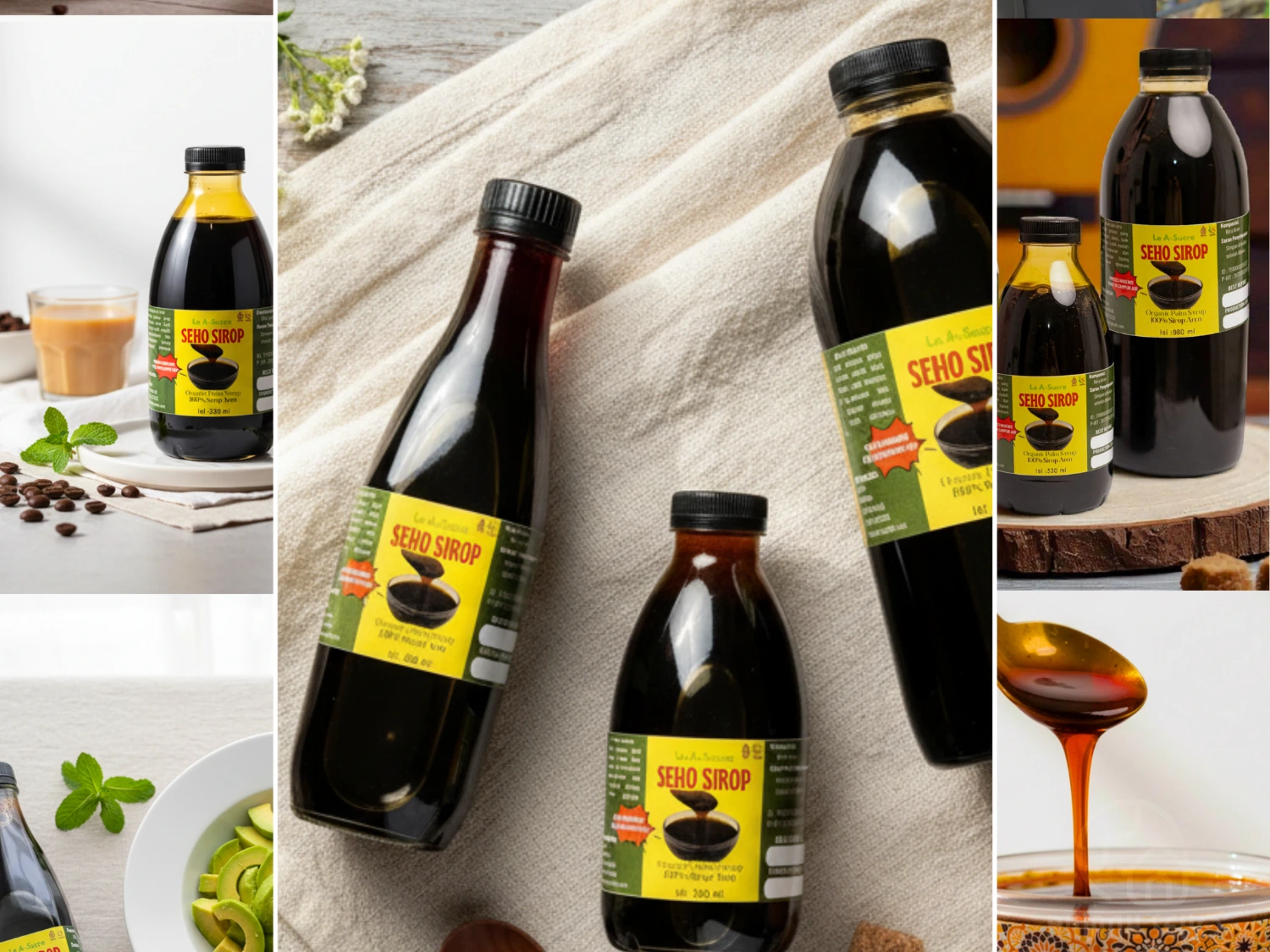
How Palm Syrup Enhances Glazing Performance in Premium Sauces
A Premium Glaze Needs More Than Sweetness
A successful glaze does more than make food taste sweet.
It creates visual appeal, helps build a rich surface coating, and delivers flavor that remains noticeable after cooking. Whether used on grilled meat, roasted poultry, seafood, plant-based products, or ready-to-eat meals, a glaze must perform consistently.
For food manufacturers, achieving the right glazing performance can be challenging.
The formulation needs enough body to coat the product, but it should not become excessively thick or unpleasantly sticky. It also needs balanced sweetness, attractive color development, and a flavor profile that complements the food.
This is where palm syrup for sauce glazing can become an interesting ingredient.
Derived from Arenga palm sap, palm syrup provides sweetness together with a naturally rich flavor profile. Its concentrated liquid format can also contribute to the overall solids balance of a sauce formulation.
When properly incorporated into a recipe, palm syrup can help manufacturers develop premium glazes with greater depth, visual appeal, and a more distinctive flavor identity.
Glazing Performance Starts with the Right Consistency
One of the most important characteristics of a glaze is its ability to coat food.
A glaze that is too thin may run off the surface too quickly. As a result, the product may not achieve the intended visual appearance or flavor impact.
On the other hand, a glaze that is excessively thick may be difficult to apply and could create an unpleasant eating experience.
This is why formulation balance is essential.
Using palm syrup for sauce glazing can contribute to the overall body of the formulation because palm syrup is a concentrated liquid ingredient. Its Brix level and total solids can influence how it interacts with other components in the sauce.
However, palm syrup should not be viewed as a standalone solution for viscosity.
The final glazing performance will also depend on water content, starches, gums, proteins, oils, acids, heating conditions, and the complete manufacturing process.
The advantage is that palm syrup can contribute sweetness and flavor while becoming part of the formulation’s overall structure.
Palm Syrup Helps Build a Richer Surface Appearance
Visual appearance is especially important in premium food products.
Before consumers taste a product, they see it.
A well-developed glaze can create a glossy, rich, and appetizing surface that makes grilled or roasted food look more appealing.
The natural color and concentrated character of palm syrup can support this visual profile when used in an appropriate formulation.
During cooking, the interaction between sugars, heat, proteins, and other ingredients can influence browning and color development. The exact result will depend on the recipe and processing conditions.
For manufacturers using palm syrup for sauce glazing, this provides an opportunity to develop products with a deeper and more distinctive appearance while maintaining the desired flavor balance.
The goal is not simply to create a darker sauce.
It is to create a glaze that looks consistent, appealing, and aligned with the premium identity of the product.
Balanced Sweetness Makes a Better Glaze
A glaze should enhance food rather than dominate it.
Excessive sweetness can hide the natural flavor of grilled meat, roasted vegetables, or savory ingredients. A well-balanced glaze allows sweetness to work alongside umami, spices, acidity, smoke, and aromatics.
This is one reason why palm syrup for sauce glazing can be useful in premium formulations.
Arenga palm syrup provides sweetness with its own distinctive flavor character. Its caramel-like notes can complement roasted, smoky, spicy, and savory ingredients.
For example, a barbecue glaze may combine palm syrup with tomato, vinegar, spices, and smoke. A teriyaki-style glaze may use palm syrup alongside soy sauce, ginger, and garlic.
In both applications, the sweetener can contribute more than sweetness alone.
It becomes part of the overall flavor architecture.
Flavor Development Matters During Cooking
A sauce may taste different after it is applied to food and exposed to heat.
Cooking can change aroma, sweetness perception, viscosity, and the interaction between ingredients.
Therefore, manufacturers developing glazes must evaluate their formulations under realistic application conditions.
Testing a sauce directly from the production container is not enough.
The glaze should also be tested during grilling, roasting, baking, or other intended cooking processes.
Using palm syrup for sauce glazing gives product developers an ingredient with a flavor profile that can complement cooked and roasted foods.
Its rich character may work particularly well with smoky, savory, and umami-driven formulations.
However, the final sensory result should always be verified through proper application testing.
Temperature, heating time, application method, and the food itself can all influence the finished experience.
Liquid Palm Syrup Can Simplify Ingredient Handling
Practicality is also important in commercial food manufacturing.
Traditional solid sweeteners may require additional dissolving or preparation before they can be incorporated into a liquid sauce system.
Palm syrup is already in liquid form.
This can simplify its integration into the formulation, depending on the manufacturer’s equipment and process design.
For manufacturers working with palm syrup for sauce glazing, the liquid format can make dosing and blending more convenient compared with certain solid sweeteners.
It can also fit naturally into the liquid phase of a sauce formulation.
Production efficiency, however, depends on the complete manufacturing system.
Viscosity, pumping capability, storage conditions, batch size, and mixing equipment should all be considered during product development.
Consistent Specifications Protect Glazing Performance
A premium glaze must perform consistently from one production batch to another.
If the sweetener changes significantly in concentration or flavor, the final sauce may also change.
The glaze may become sweeter, thinner, thicker, or different in sensory character.
For this reason, ingredient consistency is critical.
Manufacturers sourcing palm syrup for sauce glazing should evaluate suppliers based on their ability to maintain controlled specifications over time.
A reliable supplier should understand that industrial customers need more than a good sample.
They need a product that performs predictably across repeated production cycles.
Consistency supports easier formulation, stronger quality control, and greater confidence when scaling production.
PT. Rumah Seho Nusantara Supports Premium Glaze Development
At PT. Rumah Seho Nusantara, we understand that premium food applications require ingredients with both authentic flavor and consistent quality.
Through L’Arbre Seho, we produce Arenga palm syrup using carefully selected palm sap and controlled, hygienic production processes.
Our product is designed to support manufacturers exploring applications across sauces, glazes, marinades, beverages, and other food products.
Our specifications include:
- Stable Brix 70–72
- Ash Content 1.10–1.15%
- Authentic Arenga palm flavor
- Hygienic production process
- No added preservatives
- Shelf life up to 18 months
- Export-ready quality for international markets
These controlled characteristics can provide manufacturers with a more reliable starting point when developing premium sauce and glaze formulations.
Better Ingredients Can Create Better Glazing Results
Glazing performance is not determined by sweetness alone.
A successful premium glaze must combine flavor, consistency, appearance, and functionality.
The sweetener plays an important role because it influences both the sensory profile and the physical characteristics of the complete formulation.
Using palm syrup for sauce glazing allows manufacturers to explore an ingredient that offers balanced sweetness, authentic flavor complexity, and practical liquid handling.
When combined with proper formulation and application testing, palm syrup can support the development of glazes that coat food effectively, complement savory ingredients, and create a richer overall eating experience.
For premium brands, this can be an opportunity to create products that stand out not only because they are sweet, but because they deliver depth, authenticity, and a more refined flavor profile.
Conclusion
A premium glaze should do more than add sweetness.
It should coat food attractively, complement the natural flavors of the dish, and deliver a consistent sensory experience.
Palm syrup for sauce glazing can support these objectives by contributing concentrated sweetness, authentic Arenga flavor, and a rich character that works well with smoky, savory, spicy, and umami-based formulations.
At PT. Rumah Seho Nusantara, our L’Arbre Seho Arenga Palm Syrup is produced to support food manufacturers seeking reliable Indonesian palm sugar ingredients for premium applications.
With stable Brix 70–72, authentic Arenga flavor, hygienic production, no added preservatives, and export-ready quality, we support manufacturers developing sauces and glazes with a richer flavor profile and more consistent production performance.
Contact Us
PT. Rumah Seho Nusantara
Manufacturer and Exporter of Palm Sugar from Indonesia
📞 WhatsApp: +62 896 9888 2428
📧 Email: export@palmlarbreseho.com
📸 Instagram: @rsn_indonesia
🌐 Website: palmlarbreseho.com