Why Consistent Sweeteners Matter in Commercial Sauce Production
Consistency Is What Turns a Good Sauce into a Reliable Product
Creating a delicious sauce is one challenge. Producing the same delicious sauce thousands of times is another.
For commercial food manufacturers, consistency is one of the most important factors in long-term product success. Consumers expect the barbecue sauce they buy today to taste the same as the bottle they purchased last month. The same expectation applies to teriyaki sauces, marinades, glazes, dipping sauces, and other commercial food products.
When the flavor changes from one batch to another, consumers notice.
Sometimes the sauce tastes sweeter. In another batch, the savory notes may become weaker. The texture may also change, making the product feel thinner, thicker, or less balanced.
One of the ingredients that can influence these differences is the sweetener.
This is why consistent sweeteners in commercial sauce production are essential. A sweetener should not simply provide sweetness. It should also perform predictably, support standardized formulations, and help manufacturers maintain the same sensory experience across every production batch.
A Small Change in Sweetness Can Change the Entire Recipe
Sauce formulation is a delicate balance.
Sweetness interacts with acidity, saltiness, spices, umami, and aromatic ingredients. When the sweetener changes, the entire flavor profile can change with it.
Imagine a teriyaki sauce formulated around a specific balance between soy sauce, garlic, ginger, and sweetness. If the sweetener suddenly becomes significantly sweeter or weaker, the manufacturer may need to adjust the recipe.
The same issue can occur when the flavor profile of the sweetener changes between shipments.
For this reason, consistent sweeteners in commercial sauce production help manufacturers maintain greater control over their formulations.
A predictable ingredient allows the product development and production teams to work with established specifications instead of continuously correcting unexpected variations.
Consistency saves time.
More importantly, it protects the identity of the finished product.
Brix Consistency Supports Better Production Control
For liquid sweeteners such as palm syrup, Brix is one of the important parameters manufacturers may evaluate.
Brix provides an indication of the soluble solids concentration of the product. Significant variation can affect sweetness perception and the overall balance of the formulation.
When manufacturers use a liquid sweetener with unstable specifications, production teams may need to make adjustments to maintain the desired result.
This can affect more than flavor.
Changes in concentration may also influence the balance of solids and liquids within the complete sauce formulation.
Therefore, consistent sweeteners in commercial sauce production can help support more predictable manufacturing.
A stable specification gives food manufacturers a clearer starting point for formulation. Instead of adapting every batch to a changing ingredient, they can focus on maintaining their established production standards.
For industrial manufacturing, predictability is valuable.
Consistency Also Influences Sauce Texture
Flavor is not the only characteristic affected by the sweetener.
Texture is equally important.
A premium sauce should have a consistent appearance, viscosity, and mouthfeel. Consumers expect the product to pour, coat, and feel the same every time they purchase it.
Changes in the characteristics of a liquid sweetener can contribute to variations in the overall formulation.
If one batch has different concentration levels from another, manufacturers may need to adjust other ingredients to achieve the intended texture.
This creates additional complexity during production.
Using consistent sweeteners in commercial sauce production helps reduce unnecessary formulation adjustments.
However, the final texture will always depend on the complete recipe. Oils, water, acids, starches, gums, proteins, heating conditions, and processing methods can all influence the finished sauce.
The sweetener is only one part of the system, but it should remain as predictable as possible.
Inconsistent Ingredients Create Production Risks
Commercial food production depends on repeatability.
Manufacturers often operate with standardized recipes, established processing conditions, and defined quality control procedures. When a key ingredient changes unexpectedly, those systems can be disrupted.
An inconsistent sweetener can create additional testing requirements and increase the risk of batch-to-batch variation.
Production teams may need to adjust the recipe. Quality control teams may need to investigate unexpected changes. In some cases, manufacturers may discover that the finished product no longer matches the intended sensory profile.
These issues can create unnecessary operational costs.
This is why consistent sweeteners in commercial sauce production should be evaluated as part of a broader supply strategy.
A lower ingredient price does not always mean lower production costs if the product requires frequent adjustments or creates quality inconsistencies.
Reliable ingredients can support more efficient operations because manufacturers can work with greater confidence.
Consumers Expect the Same Experience Every Time
From a consumer perspective, the production process is invisible.
Customers do not know which batch was produced first or which shipment of ingredients was used. They simply expect the sauce to taste the way they remember it.
This makes consistency a critical part of brand trust.
A sauce may have an excellent recipe, attractive packaging, and strong marketing. However, if the flavor changes frequently, consumers may begin to question the reliability of the product.
This is where consistent sweeteners in commercial sauce production become part of the consumer experience.
Stable ingredients support stable products.
Stable products help build customer confidence.
Over time, consistency can become one of the strongest competitive advantages a food brand has.
Supplier Reliability Is Part of Product Quality
Manufacturers should not evaluate a sweetener based only on its price or initial sample.
A supplier’s ability to maintain consistent quality over time is equally important.
Before establishing a long-term relationship, buyers should understand how the supplier controls raw materials, production processes, hygiene, and product specifications.
For natural ingredients, this is particularly important because raw materials may naturally vary.
Reliable suppliers manage these variations through controlled production and quality management rather than allowing every batch to perform differently.
When sourcing consistent sweeteners in commercial sauce production, manufacturers should look for partners that understand the importance of repeatability.
The goal is not simply to receive a good product once.
The goal is to receive a reliable product repeatedly.
Palm Syrup Requires Controlled Specifications
Palm syrup can offer manufacturers both sweetness and a distinctive flavor profile. However, not every palm syrup will perform the same way.
Differences in raw materials, production methods, concentration, and quality control can affect the finished product.
For sauce manufacturers, controlled specifications are therefore important.
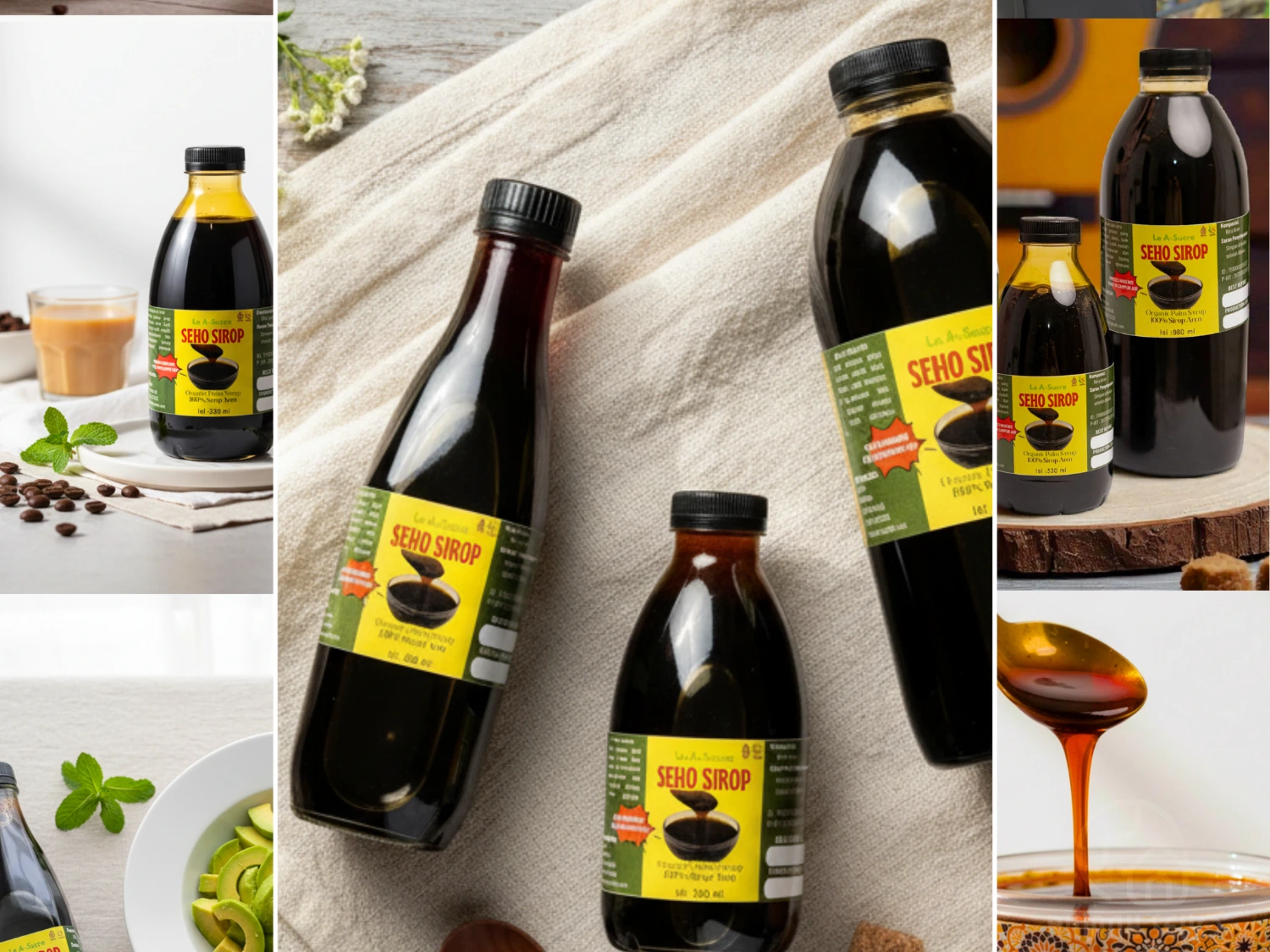
At PT. Rumah Seho Nusantara, we produce L’Arbre Seho Arenga Palm Syrup using selected Arenga palm sap and controlled, hygienic production processes.
Our objective is to provide manufacturers with a product that supports predictable formulation and long-term production.
Our product specifications include:
- Stable Brix 70–72
- Ash Content 1.10–1.15%
- Authentic Arenga palm flavor
- Hygienic production process
- No added preservatives
- Shelf life up to 18 months
- Export-ready quality suitable for international markets
For manufacturers, stable specifications can provide a more reliable foundation when developing and producing commercial sauce products.
Consistency Supports Growth and Scalability
A recipe that works in a small kitchen does not automatically work in large-scale production.
As production volume increases, ingredient variation can become more difficult to manage.
Manufacturers may produce hundreds or thousands of bottles using a standardized formulation. At this scale, even small differences can become significant.
This is why consistent sweeteners in commercial sauce production are particularly important for growing food brands.
Reliable ingredients help support scalability.
When manufacturers expand into new markets or increase production capacity, they need confidence that their key ingredients will continue performing within expected specifications.
Consistency makes growth more manageable because it reduces unnecessary uncertainty in the supply chain and production process.
Better Ingredients Support Better Commercial Sauces
The sweetener in a sauce should do more than make the product sweet.
It should support flavor balance, contribute to the desired sensory profile, and remain consistent enough for commercial manufacturing.
Choosing reliable ingredients allows manufacturers to focus on improving their products instead of constantly correcting ingredient variation.
For companies developing barbecue sauces, teriyaki sauces, marinades, glazes, and other premium products, ingredient consistency should be considered part of the overall quality strategy.
A sauce can only remain consistent when the ingredients behind it remain reliable.
Conclusion
Successful commercial sauce production depends on repeatability.
Consumers expect the same flavor, texture, and overall experience every time they purchase a product. Achieving that consistency requires manufacturers to carefully manage their formulations and select reliable ingredients.
Consistent sweeteners in commercial sauce production help support stable flavor, predictable formulation, efficient quality control, and long-term brand reliability.
For manufacturers using natural liquid sweeteners, controlled specifications can reduce unnecessary production adjustments and support more predictable results.
At PT. Rumah Seho Nusantara, our L’Arbre Seho Arenga Palm Syrup is produced to support manufacturers seeking authentic palm sugar ingredients with controlled specifications and export-ready quality.
With stable Brix 70–72, authentic Arenga flavor, hygienic production, and no added preservatives, we support food manufacturers developing commercial sauces that are designed to deliver a consistent experience—batch after batch.
Contact Us
PT. Rumah Seho Nusantara
Manufacturer and Exporter of Palm Sugar from Indonesia
📞 WhatsApp: +62 896 9888 2428
📧 Email: export@palmlarbreseho.com
📸 Instagram: @rsn_indonesia
🌐 Website: palmlarbreseho.com