
Why Due Diligence Matters in Palm Syrup Sourcing
Importing palm syrup involves more than reviewing product samples or comparing prices. Smart importers conduct structured due diligence to reduce sourcing risk and protect their downstream production.
Palm syrup is a natural ingredient, which means variation, processing control, and shelf-life behavior must be evaluated carefully. Without proper assessment, small inconsistencies can create operational challenges for food and beverage manufacturers.
A clear due diligence checklist helps importers make objective, informed decisions rather than relying on assumptions.
1. Product Consistency and Defined Quality Range
The first step in due diligence is evaluating consistency. Importers should ask how the supplier defines acceptable ranges for sweetness, viscosity, and color.
Reliable suppliers acknowledge natural variation but explain how they manage it within controlled parameters. They should provide clarity on how deviations are handled and how quality stability is maintained across shipments.
Consistency protects formulation integrity and reduces reformulation costs.
Another Article : palm syrup Consistency quality for food and beverage
2. Processing Control and Moisture Management
Palm syrup stability depends heavily on processing control. Importers should understand how the supplier manages heating temperature, concentration levels, and moisture balance.
Improper moisture control increases the risk of fermentation or shelf-life instability. A knowledgeable supplier can explain how processing decisions affect long-distance shipping performance.
Technical understanding reflects manufacturing maturity.
3. Shelf Life Performance and Transport Stability
Due diligence must include shelf-life evaluation. Importers should ask how the product behaves during extended storage and transit across different climates.
Questions to consider include:
-
How long is the declared shelf life?
-
What storage conditions are recommended?
-
How is stability ensured without relying on preservatives?
Stable shelf life reduces financial and operational risk.
4. Food Safety and Hygiene Standards
Food safety remains a critical component of supplier evaluation. Importers should assess hygiene practices, raw material handling procedures, and contamination control systems.
The supplier must demonstrate understanding of how production environments influence product safety. Clean processing and controlled handling contribute directly to stable and safe palm syrup.
Food safety supports long-term brand protection.
5. Supplier Capability and Communication Transparency
Due diligence extends beyond the product itself. Importers should evaluate supplier capacity, responsiveness, and willingness to communicate clearly.
Questions to ask include:
-
Can production scale as demand grows?
-
Are lead times consistent?
-
Does the supplier provide technical guidance when needed?
Strong communication reduces uncertainty and builds sourcing confidence.
6. Risk Management and Long-Term Partnership Readiness
Importers benefit from suppliers who think beyond single transactions. A reliable supplier considers logistics planning, production continuity, and contingency strategies.
Long-term partnership readiness signals stability. Suppliers who focus on sustainable cooperation rather than short-term volume often deliver more consistent results. Strategic sourcing requires strategic partners.
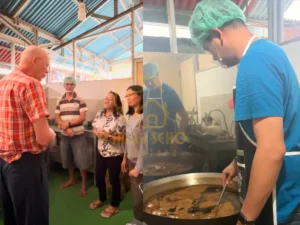
PT. Rumah Seho Nusantara: Supporting Structured Due Diligence
PT. Rumah Seho Nusantara, as a manufacturer and supplier of palm sugar (Arenga) from Indonesia, understands the importance of structured supplier evaluation.
We provide clarity on processing control, defined quality ranges, and shelf-life behavior to support importer due diligence processes. Our approach emphasizes consistency, transparency, and product mastery.
By focusing on controlled production and export readiness, we aim to reduce sourcing uncertainty and support long-term international partnerships.
A palm syrup supplier due diligence checklist helps importers move beyond price comparison and focus on long-term performance.
By evaluating consistency, processing control, shelf life, food safety, and supplier reliability, importers can reduce risk and protect their production systems. Structured due diligence leads to stronger sourcing decisions and more stable business outcomes.
For international buyers, careful evaluation today prevents costly challenges tomorrow. For More information : +6289698882428 (WhatsApp)


