Palm Syrup Supply Stops — Production Chaos Begins
Palm Syrup Supply Stops Faster Than Most Manufacturers Expect
Many beverage and food manufacturers assume ingredient supply will always remain available.
At first, production systems run smoothly. Shipments arrive on time, formulations remain stable, and manufacturing schedules continue normally. However, once palm syrup supply stops, the situation can change extremely fast.
Factories may suddenly face delayed production schedules, unstable formulations, and growing operational pressure.
For companies that depend heavily on liquid sweeteners, supply interruption creates far more than a purchasing problem.
It creates production instability.
That is why experienced manufacturers no longer evaluate suppliers only by pricing or sweetness. Instead, they prioritize suppliers capable of maintaining long-term operational reliability.
In modern beverage manufacturing, stable supply is no longer optional.
It has become part of production security.
Production Systems Depend on Ingredient Stability
Large-scale beverage production requires predictable ingredient flow.
Factories plan production schedules weeks or months ahead. Packaging systems, filling operations, distribution planning, and inventory management all depend on stable raw material supply.
When palm syrup supply stops, these systems immediately begin losing efficiency.
At first, manufacturers may attempt temporary adjustments. Some companies try alternative ingredients or emergency sourcing. However, these changes often create additional instability.
Flavor profiles may shift. Sweetness balance may become inconsistent. Product texture may change unexpectedly.
Because of this, ingredient disruption quickly spreads throughout the entire production chain.
Sudden Supply Disruption Creates Manufacturing Delays
One of the first consequences when palm syrup supply stops is production delay.
Factories cannot maintain large-scale beverage manufacturing without stable sweetener systems. Even short interruptions may slow filling schedules, batching operations, and shipment timelines.
As delays increase, manufacturers often face growing pressure from:
- distributors
- retailers
- export customers
- production planning teams
These delays eventually affect business performance beyond the factory itself.
Because of this, reliable supply continuity becomes extremely important for beverage and food manufacturers operating at industrial scale.
Alternative Syrup Sources Often Create New Problems
When supply suddenly disappears, some manufacturers rush to secure replacement syrup from new suppliers.
However, emergency sourcing creates significant risk.
Different syrup systems may produce:
- inconsistent sweetness
- unstable viscosity
- altered caramel notes
- unpredictable formulation behavior
As a result, beverage products may no longer taste the same.
Consumers immediately notice when flavor changes unexpectedly.
Because of this, rushed supplier replacement often creates long-term brand damage instead of solving the original problem.
Reliable manufacturers therefore focus on preventing supply disruption before it happens.
Flavor Consistency Becomes Difficult to Maintain
Consumers expect consistency every time they purchase a product.
However, when palm syrup supply stops, maintaining flavor consistency becomes much more difficult.
New suppliers may deliver syrup with:
- different Brix concentration
- inconsistent flavor depth
- unstable aroma
- varying sweetness intensity
Even small formulation changes may affect beverage character significantly.
Because of this, manufacturers often struggle to maintain product identity during supply disruption.
Reliable syrup systems protect long-term flavor consistency far more effectively than emergency ingredient replacement.
Export Markets Become More Vulnerable
International beverage distribution creates additional pressure during ingredient shortages.
Global manufacturers often operate across multiple countries simultaneously. Export schedules depend heavily on predictable ingredient availability.
When palm syrup supply stops, manufacturers may experience:
- delayed international orders
- interrupted distribution cycles
- warehouse instability
- missed shipment deadlines
These disruptions can damage relationships with distributors and import partners.
Because of this, export-focused manufacturers prioritize suppliers with stable long-term production capability.
Weak Supply Chains Damage Business Scalability
Fast-growing beverage companies require scalable ingredient systems.
However, unstable suppliers often struggle to maintain:
- production volume consistency
- export readiness
- long-term inventory stability
- shipment reliability
Once demand increases, weak supply systems begin collapsing under operational pressure.
Because of this, stable supply becomes one of the most important factors in successful business scaling.
Manufacturers cannot grow confidently without predictable ingredient continuity.
Price-Driven Purchasing Often Creates Supply Risk
Some manufacturers focus too heavily on finding the lowest supplier pricing.
Initially, this strategy may appear profitable.
However, suppliers competing mainly through low prices often operate with weaker:
- production planning
- inventory systems
- quality control
- export management
As a result, these suppliers may struggle during demand increases, raw material shortages, or logistics disruptions.
Because of this, low-cost sourcing often creates higher long-term operational risk.
Experienced buyers therefore prioritize supplier reliability instead of temporary pricing advantages.
Reliable Suppliers Build Stable Production Systems
Strong suppliers understand that industrial buyers require long-term operational security.
Because of this, reliable suppliers invest heavily in:
- production consistency
- raw material management
- export stability
- inventory planning
- quality control systems
These systems help manufacturers maintain stable ingredient flow even during difficult market conditions.
Reliable suppliers do not simply sell syrup.
They support manufacturing continuity.
Shelf Life Helps Protect Supply Flexibility
Strong shelf life provides manufacturers with greater operational flexibility.
When syrup remains stable longer, manufacturers can manage:
- warehouse inventory
- export scheduling
- production planning
- international distribution
more efficiently.
Weak syrup systems, meanwhile, create higher pressure because products deteriorate more quickly during storage.
At PT. Rumah Seho Nusantara, our Arenga Palm Syrup from L’Arbre Seho offers shelf life up to 18 months under proper storage conditions.
Because of this, manufacturers can maintain more stable long-term inventory planning.
Stable Brix Supports Long-Term Production Reliability
Consistent Brix is also important during supply continuity management.
When replacement syrup varies significantly in concentration, manufacturers often struggle with formulation adjustments.
At PT. Rumah Seho Nusantara, our syrup maintains stable Brix at 70–72 to support predictable industrial beverage production.
This stability helps manufacturers maintain smoother production consistency even across repeated shipments.
Reliable concentration systems therefore help protect long-term operational stability.
PT. Rumah Seho Nusantara: Built for Reliable Supply Continuity
At PT. Rumah Seho Nusantara, we understand how damaging supply disruption can become for industrial manufacturers.
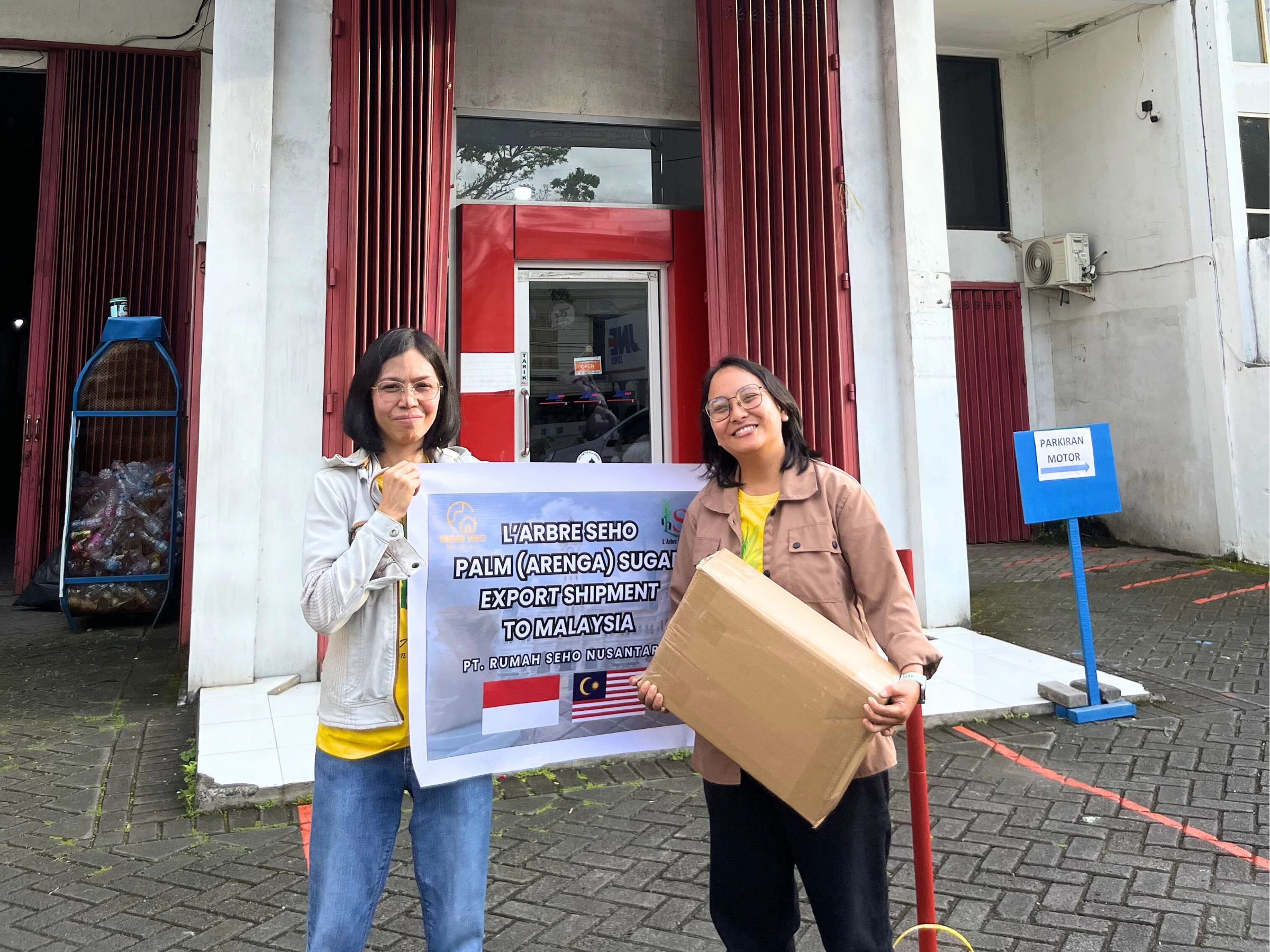
As a manufacturer and exporter of palm sugar from Indonesia, we produce Arenga Palm Syrup from L’Arbre Seho specifically for long-term beverage and food manufacturing reliability.
Our production systems include:
- stable Brix 70–72
- Ash Content 1.10–1.15%
- hygienic processing systems
- controlled consistency standards
- export-ready durability
- shelf life up to 18 months
Our syrup is designed to support:
- stable production continuity
- predictable formulation behavior
- export shipment reliability
- long-term operational scalability
Because of this, our products become:
- more reliable
- more stable
- more scalable
for modern beverage and food manufacturing.
Serious Manufacturers Protect Supply Stability Early
Experienced factory buyers understand that ingredient continuity directly affects long-term business performance.
Because of this, they evaluate suppliers based on:
- operational reliability
- production scalability
- inventory consistency
- export capability
They understand that stable supply systems reduce production risk significantly.
Reliable sourcing partnerships therefore become part of long-term business strategy.
Palm Syrup Supply Stops — And the Entire Production Chain Feels It
When palm syrup supply stops, the impact spreads quickly throughout the manufacturing system.
What begins as an ingredient shortage eventually affects:
- production schedules
- flavor consistency
- customer trust
- export performance
- operational scalability
Because of this, supply continuity matters far more than many companies initially realize.
Stable syrup systems help manufacturers protect long-term product quality and business growth simultaneously.
Conclusion
Modern beverage and food manufacturing depends heavily on reliable ingredient continuity.
When palm syrup supply stops, manufacturers may face operational disruption, inconsistent products, export delays, and weakened customer trust.
Because of this, serious manufacturers increasingly prioritize suppliers capable of maintaining:
- stable production systems
- export-ready supply continuity
- long-term consistency
- scalable manufacturing support
At PT. Rumah Seho Nusantara, we believe reliable supply systems create stronger businesses and more stable global manufacturing performance.
That is why our Arenga Palm Syrup from L’Arbre Seho is developed specifically for industrial consistency, export durability, and long-term supply reliability.
Contact Us
PT. Rumah Seho Nusantara
Manufacturer and Exporter of Palm Sugar from Indonesia
📞 WhatsApp / Contact Person: +62 896 9888 2428
📸 Instagram: @rsn_indonesia
🌐 Website: www.palmlarbreseho.com