Palm Syrup Manufacturing Standards: What Global Buyers Expect
Introduction: Why Manufacturing Standards Matter in Palm Syrup Supply
In global ingredient sourcing, manufacturing standards determine whether a supplier can meet the expectations of industrial buyers.
Food and beverage manufacturers operate under strict production requirements. Ingredients must perform consistently across large-scale production systems, while also meeting quality and safety standards.
Palm syrup has gained increasing popularity as a natural sweetener in beverage, bakery, and dessert applications. However, the quality of palm syrup can vary significantly depending on how it is produced.
For this reason, palm syrup manufacturing standards have become a major consideration for global buyers evaluating suppliers.
Reliable manufacturing standards ensure that palm syrup maintains stable sweetness, predictable viscosity, and safe microbial levels.
Without these controls, manufacturers may face formulation instability, fermentation risks, or inconsistent product quality.
Hygienic Sap Collection as the First Quality Standard
Palm syrup production begins with the collection of palm sap from the Arenga palm tree.
Fresh sap contains natural sugars and minerals, but it is also highly sensitive to contamination.
If the sap is exposed to unclean containers or improper handling practices, microbial activity may begin before processing starts.
For this reason, one of the first palm syrup manufacturing standards involves hygienic sap collection.
Harvesters must use clean equipment and handle the sap carefully to prevent contamination.
Rapid transportation of the sap to the processing facility also helps maintain freshness.
These early steps play a crucial role in determining the final quality of the syrup.
Controlled Evaporation for Consistent Sweetness
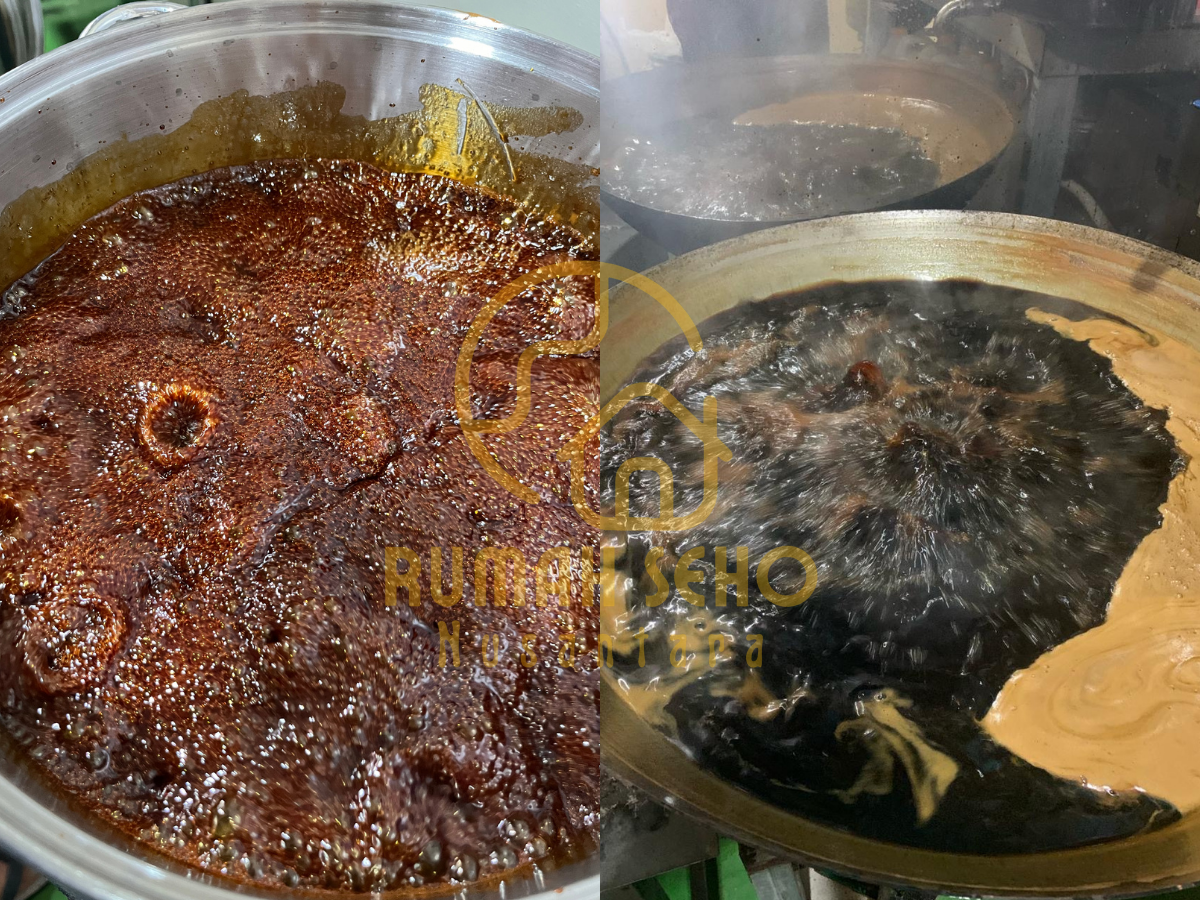
After collection, palm sap undergoes evaporation to concentrate the natural sugars.
This process transforms the liquid sap into palm syrup.
Evaporation parameters must be carefully controlled to maintain consistent sweetness concentration.
If heating conditions fluctuate, the resulting syrup may vary in sugar density and viscosity.
Such variations can disrupt beverage and food formulations.
Therefore, reliable palm syrup manufacturing standards include monitored evaporation systems that maintain stable production conditions.
Through controlled processing, manufacturers can ensure that palm syrup behaves predictably across batches.
Moisture Control and Product Stability
Moisture content represents one of the most important quality indicators for palm syrup.
Excess moisture increases water activity and may create favorable conditions for fermentation.
For global buyers importing palm syrup across long distances, fermentation during shipping represents a significant risk.
To address this issue, palm syrup manufacturing standards include strict moisture limits maintained through controlled evaporation.
Reducing water activity helps prevent microbial growth and improves product stability.
As a result, manufacturers receive syrup that remains stable during storage and transportation.
Mineral Balance and Flavor Consistency
Palm sap naturally contains minerals that influence the flavor characteristics of palm syrup.
These minerals contribute subtle complexity to sweetness perception.
However, excessive variation in mineral composition may affect flavor stability between production batches.
Global buyers expect suppliers to maintain consistent mineral balance within their palm syrup.
Therefore, many palm syrup manufacturing standards include monitoring mineral composition through ash content analysis.
Maintaining stable mineral levels helps ensure that the syrup delivers consistent flavor performance in food and beverage formulations.
Viscosity Stability for Industrial Applications
Viscosity plays an important role in the functional performance of liquid sweeteners.
In beverage manufacturing, syrup must dissolve easily within liquid formulations.
Meanwhile, dessert and sauce manufacturers rely on predictable viscosity to maintain product texture.
If viscosity varies between shipments, manufacturers may need to adjust their production processes.
To avoid such disruptions, reliable palm syrup manufacturing standards include strict concentration control during evaporation.
These controls help maintain stable viscosity across batches.
Consistent viscosity ensures that palm syrup integrates smoothly into industrial formulations.
Microbial Control and Food Safety
Food safety represents a fundamental requirement for ingredient suppliers.
Palm syrup production must follow strict hygiene protocols to minimize microbial contamination.
During processing, equipment must be sanitized regularly and production environments carefully monitored.
Heat treatment during evaporation also helps reduce microbial activity.
Through these practices, palm syrup manufacturing standards help ensure that the final product meets food safety expectations.
Reliable suppliers maintain these standards consistently across production batches.
Transparent Specifications for Global Buyers
Industrial buyers rely on clear technical specifications when evaluating ingredient suppliers.
Specifications provide measurable indicators of ingredient quality and stability.
For palm syrup, these parameters often include moisture levels, mineral composition, and viscosity characteristics.
Suppliers who communicate these specifications openly demonstrate greater transparency and reliability.
Therefore, palm syrup manufacturing standards also involve providing clear technical documentation for buyers.
This transparency helps manufacturers evaluate how the ingredient will perform within their production systems.
Reliable Supply Chains and Export Readiness
Manufacturing standards extend beyond production processes.
Global buyers also evaluate whether suppliers can deliver ingredients reliably across international markets.
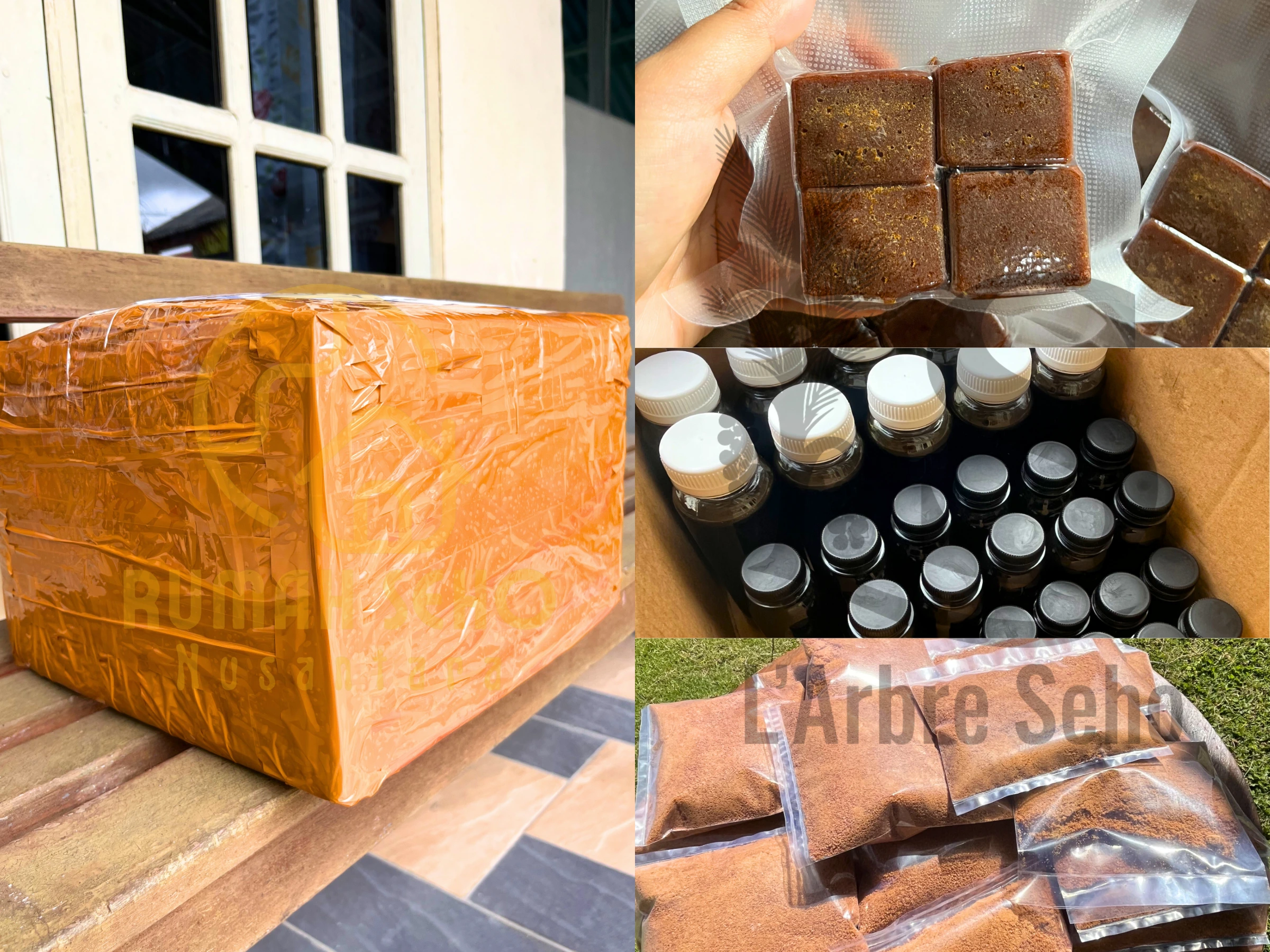
Export readiness involves proper packaging systems, stable logistics networks, and consistent production capacity.
Suppliers who maintain organized export operations help ensure that shipments arrive on time and in stable condition.
Consequently, palm syrup manufacturing standards also include disciplined supply chain management.
Reliable supply chains help manufacturers maintain uninterrupted production cycles.
PT Rumah Seho Nusantara: Meeting Global Palm Syrup Manufacturing Standards
At PT Rumah Seho Nusantara, we understand the expectations global buyers have when sourcing palm syrup.
As a palm (Arenga) syrup manufacturer and supplier from Indonesia, our production systems are designed to meet international manufacturing standards.
We combine traditional sap harvesting knowledge with modern processing technology.
Our palm syrup is produced under controlled specifications designed to maintain stable ingredient performance.
Our parameters include:
Moisture: Max 25%
Fat Content: Max 2.5%
Ash Content: 1.10 – 1.15%
These specifications help ensure consistent sweetness concentration, balanced mineral composition, and predictable viscosity behavior.
In addition, our hygienic production systems help reduce fermentation risk during storage and international shipping.
Through disciplined quality control and transparent communication, we aim to meet the expectations of global buyers seeking reliable palm syrup supply.
Contact Us
For more information about our palm (Arenga) syrup and bulk supply capabilities:
🌐 Website: www.palmlarbreseho.com
📞 Phone / WhatsApp: +62 896 9888 2428