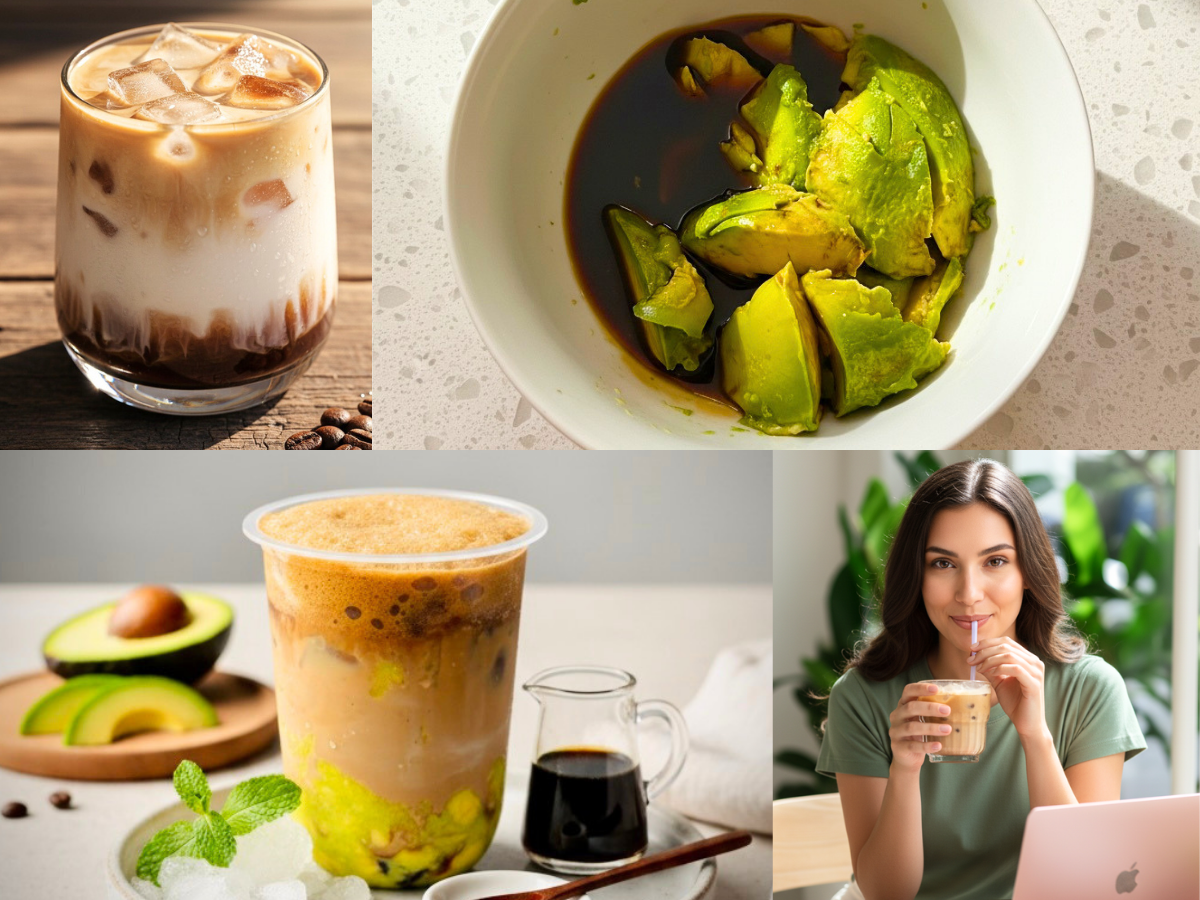
Product Stability in Beverage Production Determines Long-Term Success
Many beverage manufacturers spend enormous amounts of time discussing sweetness.
Teams evaluate sugar levels, flavor profiles, consumer preferences, and sensory testing results. New products are often judged by how sweet they taste, how balanced they feel, and whether consumers enjoy the overall drinking experience.
While sweetness is important, it is not what determines long-term manufacturing success.
In reality, product stability in beverage production has a much greater impact on whether a beverage succeeds or fails in the market.
A beverage can taste perfect during development. It can receive excellent feedback during testing and perform well during its initial launch. However, if the product becomes inconsistent during production, storage, or distribution, sweetness alone cannot save it.
Consumers expect every bottle, can, or cup to deliver the same experience every time. Because of this, beverage manufacturers increasingly recognize that stability is more valuable than sweetness itself.
Sweetness Attracts Consumers, Stability Keeps Them
The beverage industry is filled with products that taste good.
However, not all of those products achieve long-term success.
Consumers may purchase a beverage once because they enjoy its sweetness. Yet they continue buying the product because they trust the experience.
That trust depends on consistency.
If one bottle tastes excellent while another tastes noticeably different, consumers begin questioning the product. Over time, even small inconsistencies can weaken customer confidence.
Because of this, product stability in beverage production directly influences repeat purchases.
A stable product builds loyalty. An unstable product creates doubt.
Manufacturers that understand this distinction often focus more on operational consistency than on maximizing sweetness.
Stability Protects Beverage Identity
Every successful beverage has an identity.
Consumers recognize specific brands because they associate them with a predictable flavor experience. Whether it is a coffee beverage, milk tea, energy drink, or flavored syrup product, consistency plays a major role in maintaining that identity.
Without stability, product identity begins to weaken.
A beverage that tastes slightly different every month eventually loses its distinct character.
Because of this, product stability in beverage production protects one of the most valuable assets a brand possesses: recognition.
Consumers may not know the technical reasons behind flavor variation. Nevertheless, they quickly recognize when something feels different.
Reliable stability ensures that the product consumers love today remains the same product they purchase tomorrow.
Manufacturing Efficiency Depends on Stability
Product stability is not only important for consumers.
It is equally important for manufacturers.
When ingredients remain stable, production becomes more predictable. Formulations behave consistently, processing systems operate smoothly, and quality control becomes easier to manage.
However, unstable ingredients create operational challenges.
Production teams often need to adjust formulations repeatedly. Additional testing may become necessary. Manufacturing timelines may slow as teams attempt to correct unexpected variations.
Because of this, product stability in beverage production directly influences operational efficiency.
Stable products allow manufacturers to focus on growth and innovation rather than constant troubleshooting.
Inconsistent Ingredients Create Hidden Costs
Many companies focus heavily on ingredient pricing.
At first glance, a lower-cost sweetener may appear attractive. However, unstable ingredients frequently create hidden expenses that exceed any initial savings.
These costs rarely appear on purchase orders.
Instead, they emerge through:
- production adjustments
- quality control interventions
- shipment delays
- customer complaints
- product inconsistency
Because of this, experienced manufacturers evaluate ingredient stability as carefully as they evaluate pricing.
A slightly higher-cost ingredient with strong stability often generates better long-term financial performance than a cheaper but inconsistent alternative.
Shelf Life Relies on Product Stability
Shelf life is one of the most important factors in beverage manufacturing.
Modern products often travel through complex supply chains before reaching consumers. During this process, beverages may spend weeks or months in warehouses, containers, retail environments, and distribution centers.
Without stability, product quality can deteriorate during this journey.
Flavor may change. Texture may become inconsistent. Visual appearance may decline.
Because of this, product stability in beverage production plays a critical role in shelf-life performance.
Manufacturers seeking long-term market success must ensure that products remain consistent not only during production but also throughout distribution and storage.
Export Markets Demand Stable Products
Global beverage brands face even greater challenges.
International distribution exposes products to changing temperatures, extended transit periods, and complex logistics systems.
A beverage that performs well locally may encounter significant difficulties during export if stability is weak.
Because of this, export-oriented manufacturers prioritize stability from the beginning of product development.
They understand that sweetness alone cannot protect products during long-distance distribution.
Instead, success depends on reliable formulation systems capable of maintaining quality under a wide range of conditions.
This reality makes product stability in beverage production essential for companies seeking international growth.
Stable Ingredients Create Stable Products
Every beverage is only as stable as the ingredients used to create it.
Even the most sophisticated formulation cannot fully compensate for unstable raw materials.
Reliable ingredients provide manufacturers with predictable performance. They support consistent sweetness, stable viscosity, balanced flavor, and dependable shelf-life characteristics.
Because of this, ingredient selection plays a central role in product stability.
Manufacturers increasingly evaluate suppliers based on their ability to deliver repeatable quality rather than simply attractive specifications.
The strongest beverage brands understand that stable ingredients form the foundation of stable products.
Brix Stability Supports Product Stability
One of the most important technical indicators of beverage stability is Brix consistency.
When Brix fluctuates, sweetness perception changes. Viscosity may shift. Mouthfeel may become inconsistent. Over time, these variations affect overall product quality.
Stable Brix helps manufacturers maintain predictable formulation performance.
Because of this, suppliers capable of maintaining consistent concentration systems provide significant value to beverage producers.
Reliable Brix control contributes directly to product stability in beverage production, especially in large-scale manufacturing environments where repeatability is essential.
Product Stability Strengthens Brand Reputation
Strong brands are built on reliability.
Consumers expect products to perform consistently regardless of where or when they purchase them.
When stability is weak, brand reputation becomes vulnerable.
A single inconsistent production batch may create negative consumer experiences. Repeated inconsistencies can eventually damage customer loyalty.
Because of this, product stability extends beyond manufacturing concerns.
It becomes a marketing advantage.
Brands known for reliability often enjoy stronger customer retention and higher levels of consumer trust.
Palm (Arenga) Syrup and Beverage Stability
For manufacturers using natural sweeteners, stability becomes especially important.
Palm (Arenga) syrup contributes more than sweetness to beverage formulations. It also influences flavor depth, mouthfeel, viscosity, and overall product character.
Because of this, consistency in palm syrup quality directly affects finished beverage performance.
Manufacturers need syrup systems capable of maintaining stable characteristics across multiple production cycles.
Reliable palm syrup suppliers understand that beverage manufacturers require predictability, not simply sweetness.
Strong process control therefore becomes essential.
PT. Rumah Seho Nusantara: Supporting Stable Beverage Manufacturing
At PT. Rumah Seho Nusantara, we understand the importance of product stability in beverage production.
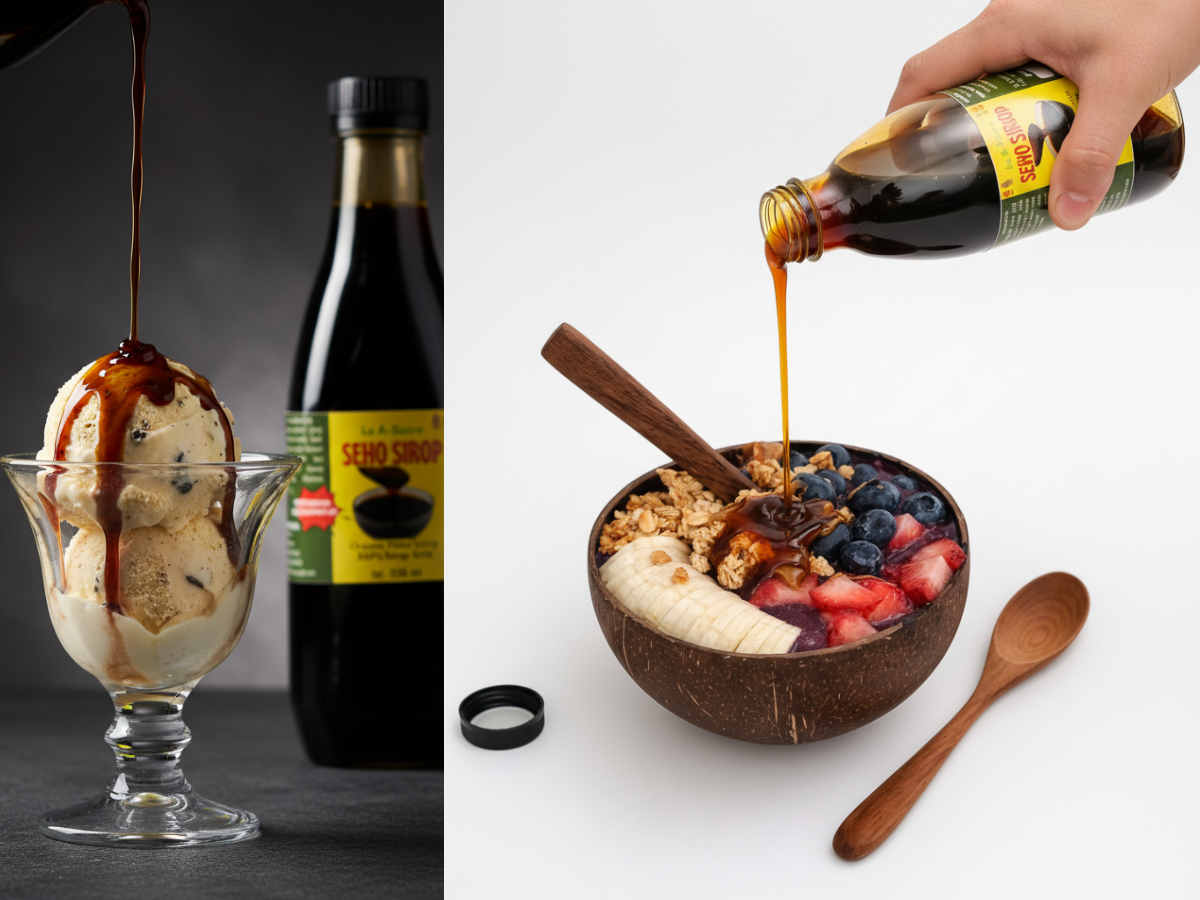
As a manufacturer and exporter of palm sugar from Indonesia, we produce Arenga Palm Syrup from L’Arbre Seho specifically for industrial beverage and food manufacturing.
Our production systems maintain:
- stable Brix 70–72
- Ash Content 1.10–1.15%
- controlled consistency standards
- hygienic processing systems
- export-ready durability
In addition, our syrup offers shelf life up to 18 months under proper storage conditions.
This stability helps manufacturers maintain predictable formulation performance while reducing operational uncertainty.
Because of this, our products support both manufacturing efficiency and long-term product consistency.
Product Stability Creates Long-Term Competitive Advantage
As beverage markets become increasingly competitive, consistency becomes more valuable than ever.
Consumers have countless alternatives available. If one product becomes unreliable, they can easily switch to another option.
Because of this, brands that maintain strong stability often outperform competitors over time.
Product stability in beverage production supports:
- customer trust
- manufacturing efficiency
- export readiness
- brand reputation
- long-term growth
These advantages compound year after year.
Manufacturers that prioritize stability position themselves for stronger and more sustainable success.
Conclusion
Sweetness may attract consumers initially, but stability determines whether they return.
That is why product stability in beverage production matters more than sweetness alone.
Stable products protect flavor consistency, support manufacturing efficiency, improve shelf-life performance, and strengthen brand reputation. They allow manufacturers to scale confidently while maintaining consumer trust.
As global beverage markets continue evolving, companies that prioritize stability will gain a significant competitive advantage.
At PT. Rumah Seho Nusantara, our Arenga Palm Syrup from L’Arbre Seho is designed to support stable beverage manufacturing through consistent quality, export-ready performance, and reliable long-term formulation results.
Contact Us
PT. Rumah Seho Nusantara
Manufacturer and Exporter of Palm Sugar from Indonesia
📞 WhatsApp / Contact Person: +62 896 9888 2428
📸 Instagram: @rsn_indonesia
🌐 Website: www.palmlarbreseho.com