What Food Manufacturers Should Know About Palm Sugar Quality
For food manufacturers, ingredient quality directly affects product consistency, production efficiency, and customer satisfaction. Whether palm sugar is used in biscuits, cookies, sauces, beverages, or confectionery, its characteristics can influence the final product in several ways.
However, not all palm sugar products have the same specifications, processing methods, or performance. Differences in moisture, particle size, flavor, color, and composition can affect how an ingredient behaves during manufacturing.
Therefore, purchasing palm sugar requires more than comparing prices. Manufacturers need to understand the product’s technical characteristics, establish clear quality requirements, and select suppliers who can meet their production needs consistently.
This article explains the key factors food manufacturers should evaluate when sourcing palm sugar for commercial applications.
1. Understand the Origin and Raw Material
Palm sugar quality begins with the raw material. Different palm species, growing conditions, sap collection practices, and processing methods can influence the characteristics of the final product.
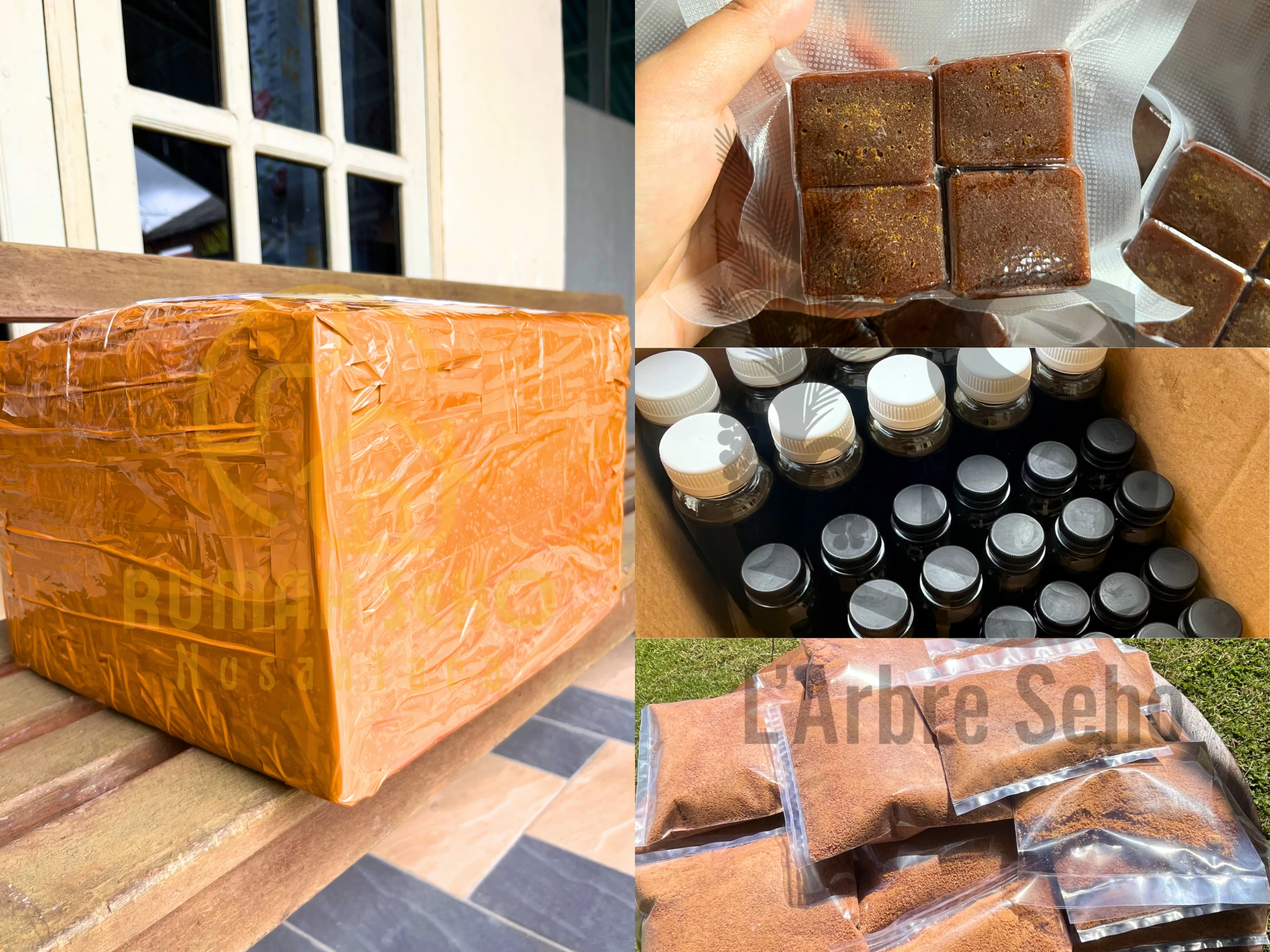
Arenga palm sugar is produced from the sap of the Arenga pinnata palm, commonly known as the sugar palm. The sap is processed into different forms, including granulated sugar, solid blocks, and liquid syrup.
Although these products come from palm sap, their physical characteristics and intended applications can differ significantly.
For example, granulated palm sugar may be suitable for dry ingredient blends, while solid palm sugar may require crushing or dissolving before use. Palm syrup, on the other hand, can be useful in liquid formulations and selected beverage applications.
Food manufacturers should therefore confirm the raw material’s origin and the specific product form offered by the supplier. In addition, ask about sap handling, production methods, and quality controls used throughout processing.
Understanding these factors helps manufacturers evaluate whether a product is suitable for their formulation and production requirements.
2. Review the Technical Specifications
A product specification sheet provides essential information for evaluating palm sugar quality. It describes the characteristics a buyer can use to assess suitability, establish purchasing requirements, and compare products from different suppliers.
Depending on the product form and application, relevant parameters may include moisture content, color, appearance, flavor, particle size, ash content, soluble solids concentration, and microbiological criteria.
Not every parameter applies to every palm sugar product. For instance, Brix is commonly used to assess soluble solids concentration in liquid products, whereas particle size may be especially important for granulated sugar.
Manufacturers should identify which specifications directly affect their production process. A biscuit manufacturer may prioritize granule size, moisture, and flavor. Meanwhile, a beverage producer using palm syrup may focus on Brix, viscosity, flavor consistency, and storage stability.
Furthermore, confirm the measurement methods and acceptance limits used by the supplier. A specification becomes more useful when the buyer and supplier agree on how quality will be evaluated.
Rather than relying on general descriptions such as premium quality, request documented specifications that match the intended application.
3. Pay Attention to Moisture Content
Moisture is an important consideration when evaluating solid and granulated palm sugar. Excessive or variable moisture may affect handling, storage, texture, and performance in certain food formulations.
For granulated palm sugar, moisture can influence whether the product remains free-flowing or develops clumps during storage. This may create additional handling requirements or make automated dosing more difficult.
Moisture can also affect how a sweetener behaves in a recipe. For example, a manufacturer developing dry baking mixes needs to understand whether ingredient moisture could influence the final formulation or storage stability.
However, the acceptable moisture level depends on the specific product, manufacturing process, packaging, and intended application. Manufacturers should not assume that one specification is appropriate for every form of palm sugar.
Ask the supplier for the product’s moisture specification and, where available, supporting test results. Then conduct application trials to determine whether the ingredient performs reliably under your production conditions.
Proper packaging and storage also matter. Even an ingredient that meets its original specification can change if it absorbs moisture during transportation or storage.
4. Evaluate Flavor, Color, and Batch Consistency
Palm sugar contributes more than sweetness. Depending on its source and processing, it can introduce caramel-like, toasted, or other characteristic flavor notes into finished products.
These characteristics may be desirable in chocolate biscuits, baked goods, sauces, confectionery, and specialty beverages. However, unexpected changes in flavor or color can affect the identity of a finished product.
Imagine a food manufacturer producing thousands of chocolate cookies each day. If one palm sugar batch has a noticeably different flavor or color, the resulting cookies may vary from the approved product standard.
For this reason, manufacturers should evaluate both the initial sample and consistency across subsequent deliveries.
Establish a reference sample and define acceptable sensory characteristics. Where practical, compare batches under the same testing conditions and record differences in color, aroma, sweetness, and flavor.
In addition, request information about the supplier’s batch identification and traceability procedures. These records can help the manufacturer investigate variations and identify affected deliveries when a quality issue occurs.
Consistent ingredients make it easier to maintain a consistent finished product.
5. Assess Food Safety and Quality Documentation
Food safety should be a central consideration when purchasing ingredients for commercial manufacturing. Palm sugar must be suitable for its intended use and handled in a way that controls relevant contamination risks.
Manufacturers should ask suppliers about their hygiene practices, production controls, packaging, traceability, and available quality documentation.
Depending on the buyer’s requirements and the product, relevant documents may include a product specification sheet, Certificate of Analysis (COA), microbiological test results, and applicable food safety or certification documents.
A COA can provide analytical results for specified parameters in a particular sample or batch. However, buyers should confirm which tests were conducted, what the results mean, and whether the document applies to the shipment being purchased.
Similarly, certification claims should be verified against the relevant documents and their scope. A certification should not be assumed to cover every product or production activity offered by a supplier.
Manufacturers should also define their own acceptance criteria based on applicable regulations, customer requirements, and the risks associated with their finished products.
By reviewing documentation before placing regular orders, businesses can make more informed purchasing decisions and establish clearer quality expectations.
6. Check Packaging, Shelf Life, and Storage Requirements
Packaging protects palm sugar during handling, transportation, and storage. Therefore, manufacturers should evaluate whether the packaging format suits their purchasing volume, storage facilities, and production workflow.
Granulated palm sugar may require packaging that helps protect it from moisture and contamination. Solid palm sugar needs packaging appropriate for its physical form, while palm syrup requires suitable containers designed for liquid food products.
Ask the supplier about recommended storage conditions, shelf life, packaging sizes, and handling instructions. For liquid products, also clarify the recommended storage and handling procedures after opening.
Shelf life should be supported by the supplier’s product information and relevant evidence. It should not be assumed to be identical across granulated sugar, solid sugar, and syrup.
Furthermore, consider how the product will move through your supply chain. Long transit times, humid storage environments, and repeated handling can affect ingredient condition if packaging and storage practices are inadequate.
Selecting the right packaging and following storage instructions help protect ingredient quality between delivery and production.
7. Test the Ingredient in Your Actual Manufacturing Process
A palm sugar sample may meet its specification but still require testing before it can be approved for a particular product.
Different formulations respond differently to changes in ingredient composition and physical properties. Therefore, food manufacturers should evaluate palm sugar under realistic production conditions before committing to large-volume purchases.
For bakery applications, examine dough handling, product color, texture, flavor, and finished-product consistency. For beverages, assess sweetness, mixing behavior, flavor balance, and the effect on the final formulation.
Manufacturers should also check whether the ingredient works with their existing equipment. Particle size, flow properties, viscosity, and moisture can influence dosing, mixing, and processing efficiency.
During trials, document the formulation, ingredient quantities, processing conditions, and results. Compare the finished product against established quality standards rather than relying solely on subjective impressions.
Once the ingredient meets the required criteria, establish an approved specification and a clear process for evaluating future batches.
This approach helps reduce the risk of discovering compatibility problems after commercial production has begun.
8. Choose a Supplier That Supports Your Business Requirements
Palm sugar quality depends not only on the product itself but also on the supplier’s ability to meet your requirements over time.
A supplier may provide an attractive initial sample, yet manufacturers also need reliable communication, appropriate documentation, consistent product availability, and realistic delivery commitments.
Before entering a regular purchasing arrangement, discuss expected order volumes, lead times, packaging preferences, technical requirements, and procedures for handling nonconforming products.
For larger manufacturers, it may also be useful to clarify whether the supplier can support changes in demand as production expands. Clear communication helps both parties plan inventory and avoid unnecessary supply disruptions.
Price remains important, but the lowest purchase price does not always represent the lowest total cost. Product variation, processing difficulties, waste, and rejected batches can create additional expenses.
Consequently, compare suppliers based on product suitability, consistency, documentation, service, and total purchasing cost.
A reliable supplier relationship helps manufacturers maintain ingredient standards while supporting long-term production planning.
Why Consider Indonesian Arenga Palm Sugar?
Indonesian Arenga palm sugar offers food manufacturers an opportunity to explore an ingredient associated with local agricultural resources and distinctive flavor characteristics.
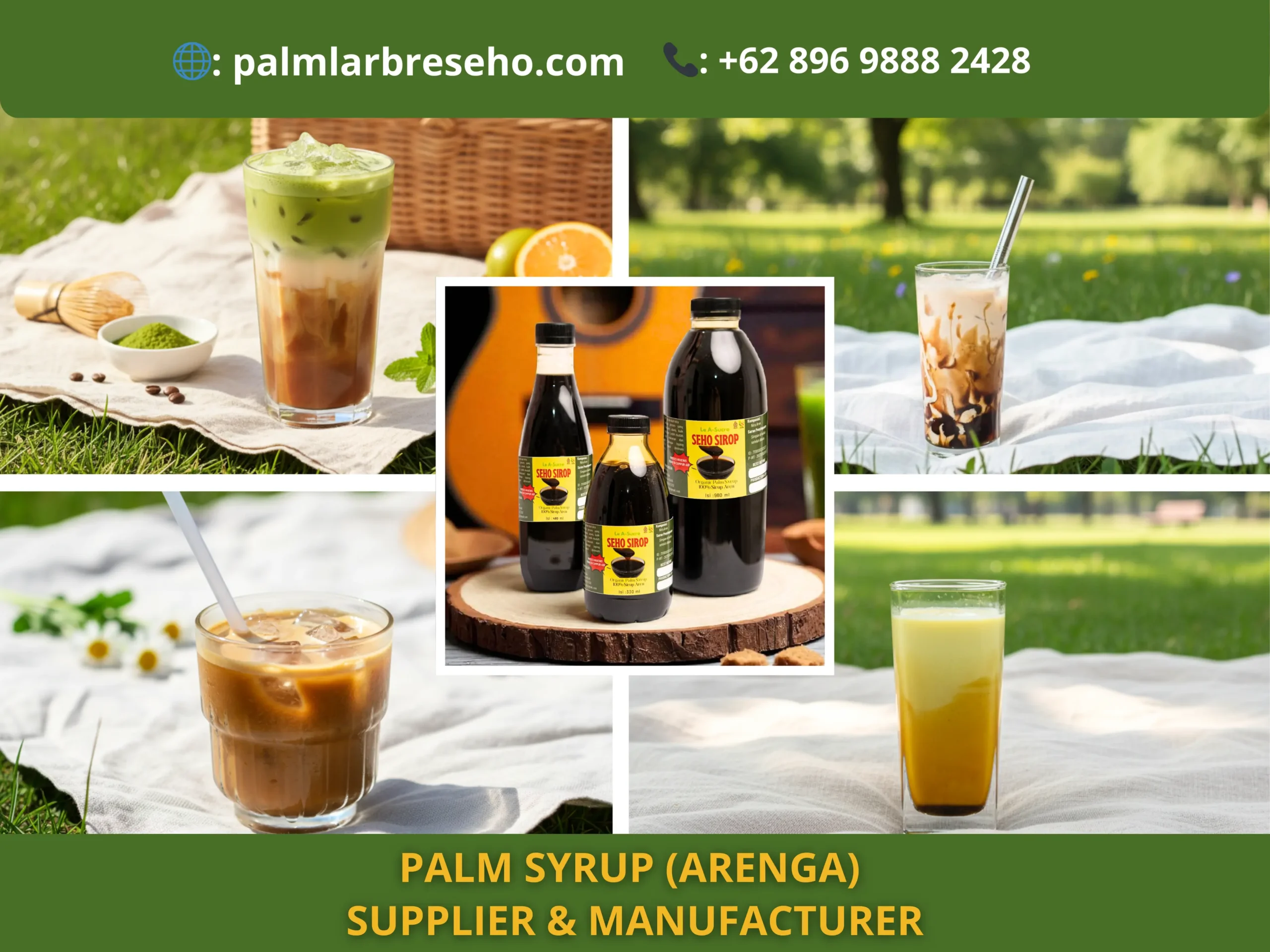
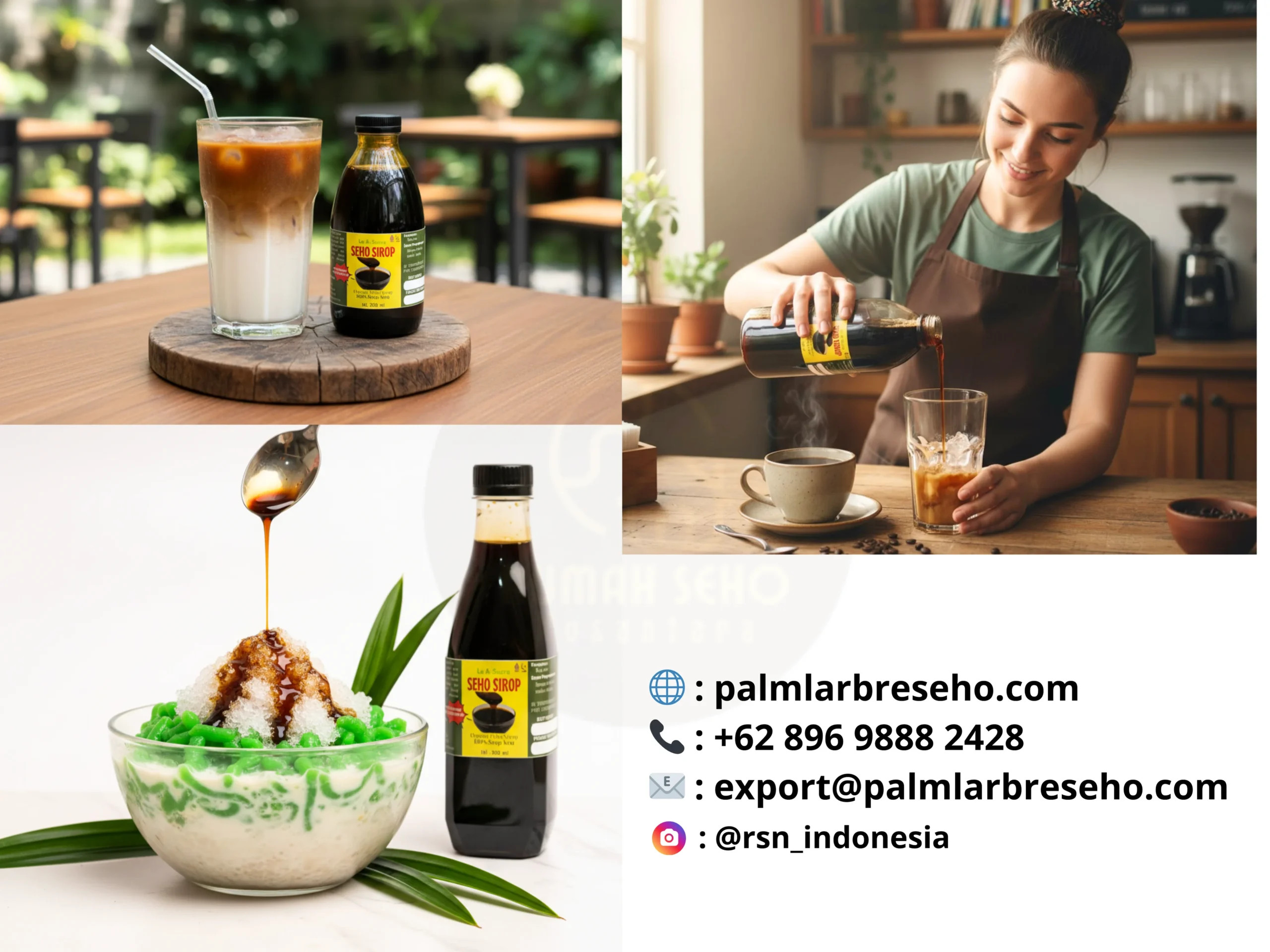
L’Arbre Seho, a brand of PT. Rumah Seho Nusantara, offers Seho Granule, Seho Solide, and Seho Sirop. These product forms provide options for manufacturers evaluating palm sugar in baked goods, confectionery, sauces, beverages, and other food applications.
The most suitable option depends on the formulation and production process. Granulated sugar may fit dry ingredient applications, solid sugar may suit recipes that require a solid sweetener, and palm syrup may be appropriate for selected liquid formulations.
Before selecting a product for commercial use, manufacturers should review the available specifications, confirm applicable documentation, and conduct product trials. These steps help determine whether the ingredient meets the required technical and commercial standards.
As a manufacturer and exporter of Indonesian palm sugar, PT. Rumah Seho Nusantara works with palm sugar products intended for business applications. For prospective buyers, the priority is to match the product’s documented characteristics with their own quality requirements and manufacturing objectives.
Conclusion
Palm sugar quality is an important consideration for food manufacturers because ingredient characteristics can affect flavor, texture, processing efficiency, storage, and finished-product consistency. By reviewing technical specifications, moisture content, sensory characteristics, food safety documentation, packaging, and supplier reliability, manufacturers can make better-informed purchasing decisions.
PT. Rumah Seho Nusantara, through its L’Arbre Seho brand, offers Seho Granule, Seho Solide, and Seho Sirop for businesses exploring Indonesian palm sugar. By evaluating the appropriate product form and testing it against your manufacturing requirements, you can determine whether it is suitable for your formulation and production process.
Contact Us
PT. Rumah Seho Nusantara
- Website: www.palmlarbreseho.com
- Email: export@palmlarbreseho.com
- WhatsApp: +62 896 9888 2428
- Instagram: @rsn_indonesia
Contact us to learn more about our palm sugar products and discuss their potential applications for your food manufacturing business.