Beyond Sweetener: Creative Ways to Use Palm Syrup in Beverages
A great beverage is about more than sweetness. Flavor balance, aroma, texture, and ingredient selection all influence the final drinking experience.
For cafés, beverage brands, and drink manufacturers, choosing the right sweetener can open new opportunities for product development. Instead of using sweeteners only to adjust sweetness, businesses can explore ingredients that contribute distinctive flavor and create new menu concepts.
This is where palm syrup becomes interesting.
Made from concentrated palm sap, palm syrup offers a distinctive flavor profile that can complement a wide range of beverages. Its liquid format also makes it practical for many drink applications.
So, how can businesses use palm syrup beyond its traditional role as a sweetener?
Let’s explore several creative applications for modern beverage development.
1. Create a Signature Palm Sugar Coffee
Coffee is one of the most natural applications for palm syrup.
Its caramel-like flavor can complement the roasted notes of espresso. As a result, palm syrup can help cafés develop beverages with a different flavor profile from conventional sweetened coffee.
For example, a café can introduce a signature palm sugar latte using espresso, milk, and palm syrup. The barista can adjust the syrup quantity to balance the coffee’s bitterness with the desired sweetness.
For a cold beverage, the same concept can become an iced palm sugar latte. Meanwhile, a stronger espresso base can create a more pronounced coffee flavor.
The key is to develop a consistent recipe.
Baristas should measure the syrup rather than pour it freely. This approach helps maintain flavor consistency across different orders.
For cafés seeking a recognizable menu item, palm syrup can become more than a sweetener. It can become part of the beverage’s identity.
2. Give Milk Tea a More Distinctive Flavor
Milk tea offers another opportunity for palm syrup.
Traditional milk tea often combines tea, milk, and sweetness. However, changing the sweetener can influence the overall flavor experience.
Palm syrup can introduce caramel-like notes that complement black tea and creamy ingredients. This makes it worth exploring in milk tea, iced tea lattes, and other tea-based beverages.
For example, a beverage developer could create a palm sugar milk tea with a strong tea base and carefully measured syrup. Another option is to combine palm syrup with roasted tea for a deeper flavor profile.
Nevertheless, balance matters.
Too much syrup can overwhelm the tea’s aroma. Therefore, product developers should test different concentrations until the tea, milk, and palm syrup work together.
This creates an opportunity for beverage brands to introduce a distinctive product without redesigning their entire menu.
3. Develop Creative Mocktails and Refreshing Drinks
Palm syrup is not limited to coffee and milk-based beverages.
It can also be explored in mocktails, fruit drinks, sparkling beverages, and specialty refreshments.
Its rounded sweetness can complement ingredients such as citrus, ginger, pineapple, and selected tropical fruits. For example, a beverage developer could combine palm syrup, lime juice, ginger, and sparkling water to create a refreshing drink.
Another option is a tropical mocktail featuring pineapple juice and a small amount of palm syrup.
However, the syrup’s flavor and concentration can affect the final balance. Citrus may provide acidity, while sparkling water can make the drink feel lighter.
Therefore, the recipe should account for sweetness, acidity, aroma, and dilution.
For beverage brands, these combinations can support seasonal menus and limited-edition products. They can also help introduce Indonesian palm sugar to consumers who have never tried it before.
4. Add Depth to Chocolate and Specialty Beverages
Chocolate drinks provide another creative application.
Cocoa has a naturally complex flavor, often combining bitterness with roasted and earthy notes. Palm syrup can complement these characteristics when used in the right proportion.
A café could develop a palm sugar hot chocolate or an iced chocolate drink sweetened with palm syrup. Meanwhile, beverage manufacturers could test the ingredient in ready-to-mix formulations or specialty drink bases.
The result depends on the cocoa type, milk content, syrup concentration, and preparation method.
In addition, palm syrup can influence the color of the finished beverage. This may be desirable for some recipes but less suitable for products that require a lighter appearance.
For this reason, testing is essential before scaling up production.
5. Explore Palm Syrup in Functional and Botanical Drinks
Modern beverage development also includes botanical drinks and products built around distinctive plant ingredients.
Palm syrup can contribute sweetness to selected ginger drinks, herbal beverages, and botanical refreshments.
For example, a producer could test it in a ginger-based drink where the syrup’s flavor complements ginger’s warming character. Another formulation could combine botanical extracts with citrus and palm syrup.
However, product developers should distinguish between a flavor concept and a health claim.
Adding palm syrup does not automatically make a beverage healthier. Palm syrup still contains sugars and carbohydrates, so its quantity must be considered when developing the nutritional profile.
The strongest commercial approach is to focus on flavor, formulation, and the intended consumer experience.
6. Why Liquid Palm Syrup Can Be Practical for Beverage Production
Beyond flavor, the physical form of the sweetener also matters.
Liquid palm syrup can be measured directly into many beverage recipes. This can simplify preparation compared with sweeteners that require a separate dissolving step.
For cafés, measured dispensing can help baristas prepare drinks more consistently. For beverage manufacturers, a liquid ingredient may fit processes that already handle liquid sweeteners.
Nevertheless, performance depends on the product specification.
Brix, viscosity, temperature, and the composition of the beverage can influence how the syrup mixes and performs. Cold drinks may require different mixing conditions from hot beverages.
Therefore, buyers should test the syrup under their actual production conditions.
For commercial applications, it is also important to calculate the cost per serving, review shelf life, and confirm suitable storage and packaging requirements.
7. Choosing the Right Palm Syrup Supplier for Beverage Development
A creative beverage concept needs a reliable ingredient source.
Before choosing a supplier, cafés and beverage manufacturers should review the product’s specifications, ingredient composition, packaging, and consistency between batches.
They should also ask about available laboratory documentation, shelf life, order quantities, and supply capacity.
These details become particularly important when a signature beverage starts generating repeat demand.
A product that performs well in a small trial must also work in regular production. Consequently, buyers should evaluate both the ingredient and the supplier’s ability to support their commercial requirements.
For businesses exploring Indonesian ingredients, working with a palm sugar manufacture and supplier from Indonesia can also create opportunities to develop beverages around the country’s agricultural heritage.
The right supplier should understand that beverage businesses need more than sweetness. They need an ingredient that fits their formulation, production process, and market positioning.
L’Arbre Seho: Indonesian Arenga Palm Syrup for Beverage Innovation
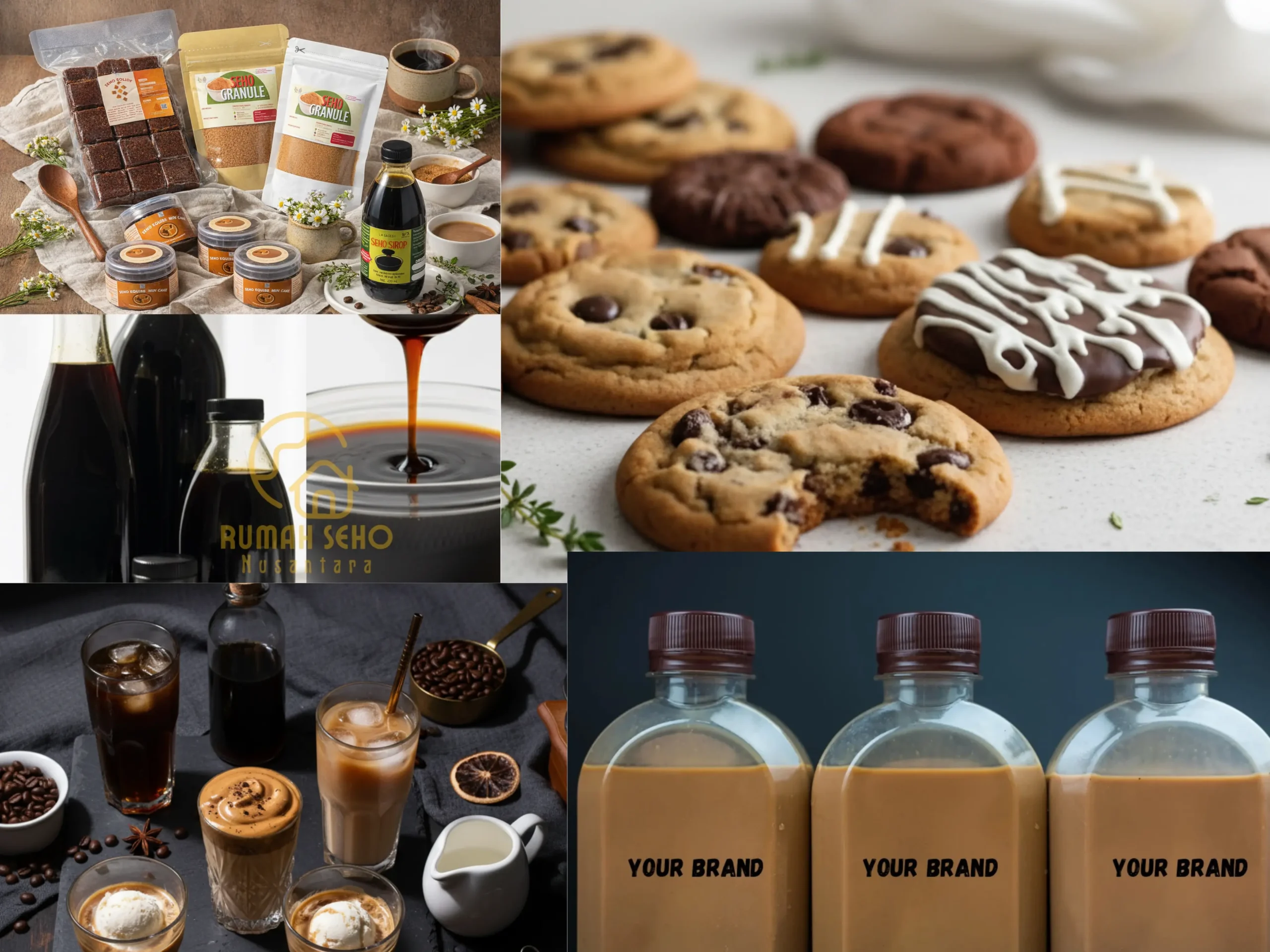
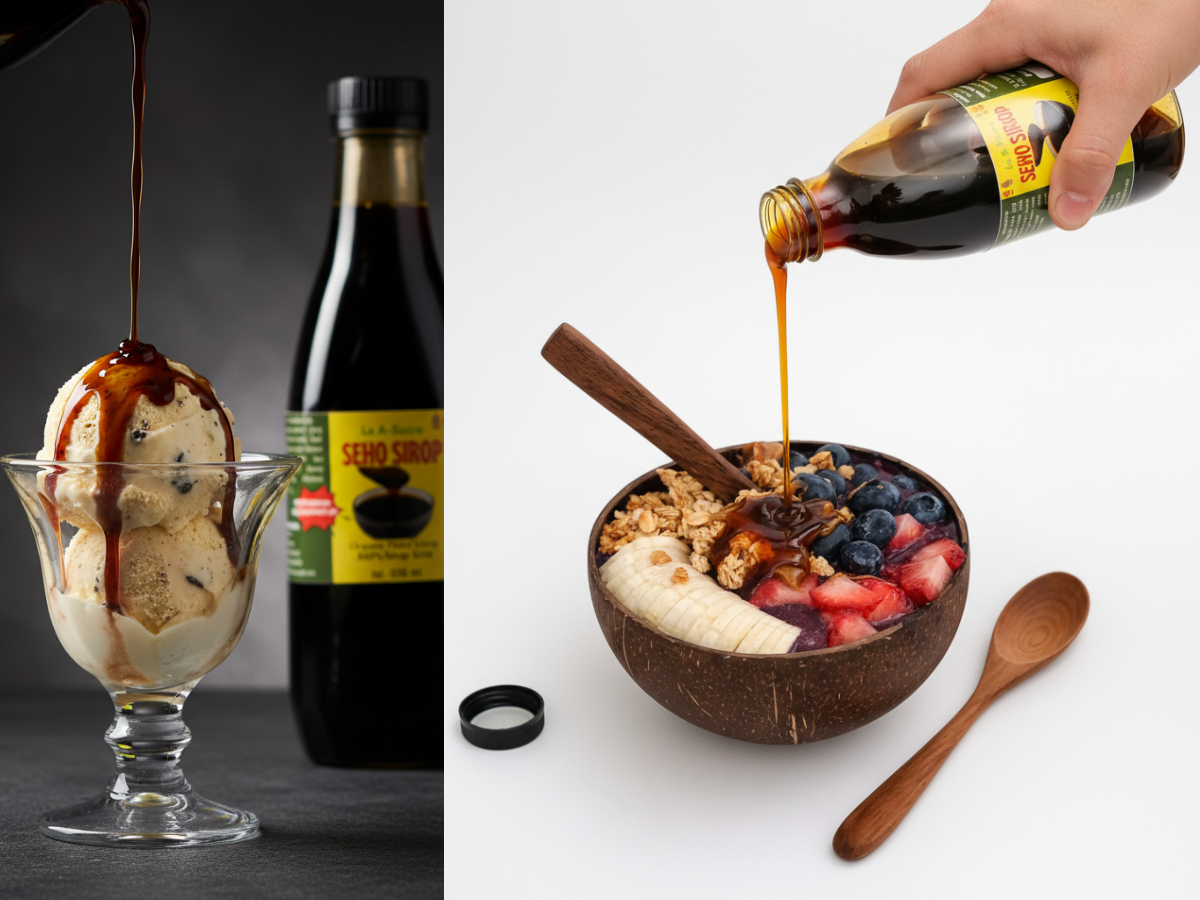
L’Arbre Seho, the palm sugar brand of PT. Rumah Seho Nusantara, offers Seho Sirop made from Arenga palm sap.
The syrup can be explored in coffee, tea, chocolate drinks, mocktails, and other beverage applications, depending on the formulation requirements.
For cafés, it can become the foundation of a signature drink. For beverage manufacturers, it offers another ingredient to evaluate during product development.
The best application will depend on the desired flavor, sweetness level, processing conditions, and target market.
Rather than treating palm syrup as a direct replacement in every recipe, businesses can explore how its distinctive flavor contributes to a new beverage concept.
This approach creates more room for innovation while preserving the character of the ingredient.
Conclusion
Palm syrup offers beverage businesses many creative possibilities beyond basic sweetening. From signature coffee and milk tea to mocktails, chocolate drinks, and botanical refreshments, its distinctive flavor can help inspire new beverage concepts.
However, successful product development requires more than creativity. Recipe testing, sweetness balance, consistent measurements, product specifications, and reliable sourcing all play important roles.
As a palm sugar manufacture and supplier from Indonesia, PT. Rumah Seho Nusantara brings Indonesian Arenga palm sugar to domestic and international markets through L’Arbre Seho.
For cafés and beverage manufacturers, Seho Sirop provides an opportunity to explore Indonesian palm syrup in new applications and signature recipes.
The next memorable beverage may not need an entirely new ingredient. Sometimes, it begins with discovering a creative new use for an ingredient that already has a story to tell.
Contact Us
PT. Rumah Seho Nusantara L’Arbre Seho — Indonesian Arenga Palm Sugar
-
WhatsApp: +62 896 9888 2428
-
Instagram: @rsn_indonesia
-
Website: www.palmlarbreseho.com
-
Email: export@palmlarbreseho.com