How to Create a Signature Palm Sugar Latte for Your Café
A great café menu needs more than good coffee. It needs drinks that customers remember, recommend, and return to order.
One way to create that experience is by developing a signature beverage with a distinctive ingredient. For cafés looking to explore Indonesian flavors, a palm sugar latte offers an interesting starting point.
Palm syrup brings caramel-like notes that can complement espresso and milk. Moreover, its liquid form makes it convenient for beverage preparation.
However, creating a memorable palm sugar latte involves more than adding syrup to coffee. The espresso, milk, sweetness, presentation, and preparation method must work together.
Here is how your café can develop a signature palm sugar latte that tastes distinctive and works efficiently during daily operations.
1. Start With the Right Palm Sugar Syrup
The sweetener is the foundation of your signature drink.
Unlike refined sugar, palm syrup can contribute its own flavor characteristics. Depending on the product, these may include caramel-like, roasted, and earthy notes.
When combined with espresso, these flavors can complement the coffee’s natural bitterness. Milk can then soften the intensity and create a smoother drinking experience.
For this reason, choose a palm syrup that suits your preferred coffee profile.
A concentrated syrup may work well in a recipe that requires a noticeable palm sugar flavor. However, the ideal concentration depends on the espresso, milk, and desired sweetness.
Before finalizing your recipe, test the syrup in small batches. Compare the flavor, sweetness, and texture at different serving ratios.
This helps you select an ingredient that supports the drink rather than overpowering it.
2. Balance Espresso, Milk, and Palm Sugar Syrup
A signature latte needs a balanced flavor profile.
Too much syrup can hide the coffee’s character. On the other hand, too little may leave the palm sugar flavor difficult to recognize.
A useful starting point is to combine espresso, milk, and a measured amount of palm syrup.
For an iced latte, try this initial recipe:

Signature Palm Sugar Latte
Starting recipe • 1 serving
A practical base for testing your café’s signature flavor.
Milk : 150–180 ml
Seho Sirop (Palm Sugar Syrup) : 10–15 ml
Ice : As needed
These quantities are a starting point, not a final standardized formula. Adjust the syrup dosage to its Brix, sweetness, and flavor intensity.
Begin by adding the palm sugar syrup to the serving glass. Next, add the espresso and mix until the syrup combines evenly with the coffee. Add ice, pour in the milk, and serve.
For a hot version, combine the measured syrup with espresso before adding steamed milk.
Finally, taste the drink and adjust the ratios. The goal is to create a latte in which the coffee remains recognizable while the palm syrup adds a distinctive flavor.
3. Choose Coffee Beans That Complement Palm Sugar
Not every espresso profile produces the same result.
Medium- to dark-roasted coffees often provide chocolate, nutty, or caramel-like notes. These flavors can complement the characteristics of palm syrup.
However, lighter roasts can also work. They may create a more complex contrast between the coffee’s acidity and the syrup’s sweetness.
The best choice depends on your café’s identity.
If your customers prefer bold coffee, try a stronger espresso profile. Meanwhile, a smoother, milk-focused menu may benefit from a balanced blend with chocolate or nutty notes.
Test several combinations before deciding.
Most importantly, evaluate the complete drink rather than judging the espresso and syrup separately.
4. Make the Drink Easy to Reproduce
A signature drink should taste consistent every time a customer orders it.
This becomes especially important during busy periods, when several baristas may prepare the same beverage.
Therefore, standardize your recipe.
Record the espresso dose and yield, syrup quantity, milk volume, serving size, and preparation sequence. Also, specify the type of glass and the amount of ice for iced beverages.
Using a measured pump or dispensing tool can help reduce variation in syrup portions.
In addition, train staff to follow the same preparation method.
These small steps can improve consistency, reduce ingredient waste, and make cost calculations more reliable.
A creative drink becomes a stronger commercial product when your team can reproduce it efficiently.
5. Create a Signature Presentation
Customers experience a beverage with their eyes before they taste it.
Therefore, presentation can help distinguish your palm sugar latte from other drinks on the menu.
For an iced version, you can pour the milk and espresso carefully to create visible layers. A transparent glass can showcase the contrast between the ingredients.
Alternatively, stir the drink before serving for a uniform appearance.
For a hot latte, focus on smooth milk texture and clean latte art. You can also introduce a simple menu name that reflects the ingredient’s origin or flavor profile.
However, presentation should support the drink rather than complicate preparation.
Choose a style that your baristas can reproduce consistently during normal service.
6. Calculate the Cost Before Adding It to Your Menu
A signature drink should deliver a good customer experience while supporting your café’s margins.
To calculate its ingredient cost, include espresso, milk, palm syrup, ice, and any garnish or topping.
For example, if your recipe uses 12 ml of palm syrup, calculate the cost of those 12 ml based on the syrup’s purchase price and usable volume.
Then add the other ingredient costs.
Your final selling price should also account for labor, rent, utilities, packaging, payment fees, and other operating expenses. Ingredient cost alone does not determine profitability.
Moreover, test whether the recipe remains practical when prepared at higher volumes.
If the drink takes too long to make or requires expensive ingredients, consider adjusting the formulation without sacrificing its defining flavor.
7. Turn Your Palm Sugar Latte Into a Menu Story
A signature drink can offer more than a new flavor. It can also tell a story about the ingredients behind it.
For example, your café can introduce palm sugar as an Indonesian ingredient with a long culinary history. You can explain how Arenga palm sap becomes palm syrup and how its distinctive flavor complements coffee.
This gives customers another reason to try the drink.
It can also support social media content, seasonal promotions, and collaborations with local ingredient producers.
However, keep the story accurate. Avoid unsupported health claims simply because the sweetener comes from a natural source. Palm syrup still contains sugars and carbohydrates.
Focus instead on flavor, origin, craftsmanship, and the experience of discovering a new coffee combination.
Choosing a Palm Syrup Supplier for Your Café
Once your recipe works, the next step is finding a supplier that can support regular production.
Cafés should evaluate syrup specifications, flavor consistency, packaging, shelf life, and supply availability. For growing businesses, the ability to fulfill repeat orders also matters.
Ask for a product sample and technical information before committing to a regular purchase. Then test the syrup in your actual recipe.
This process helps confirm whether the ingredient meets your café’s requirements.
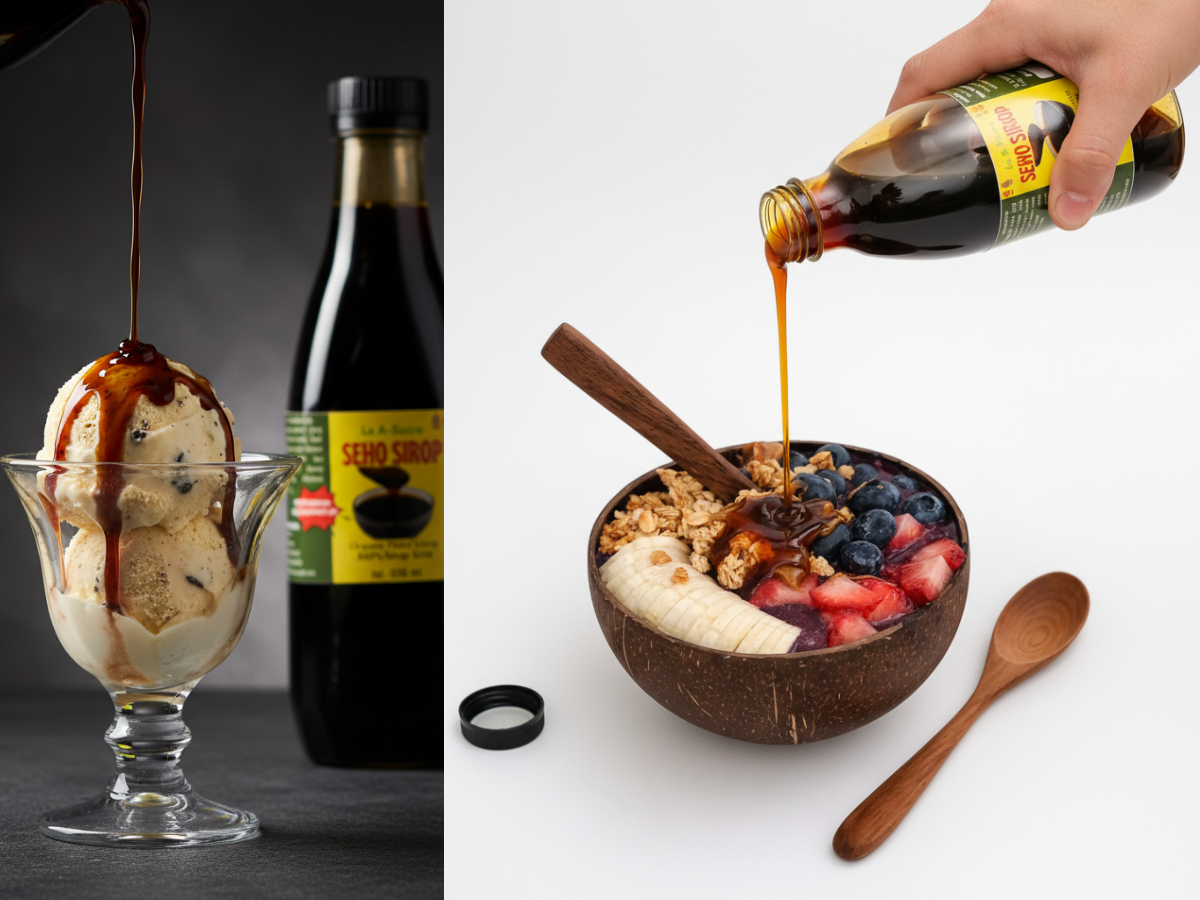
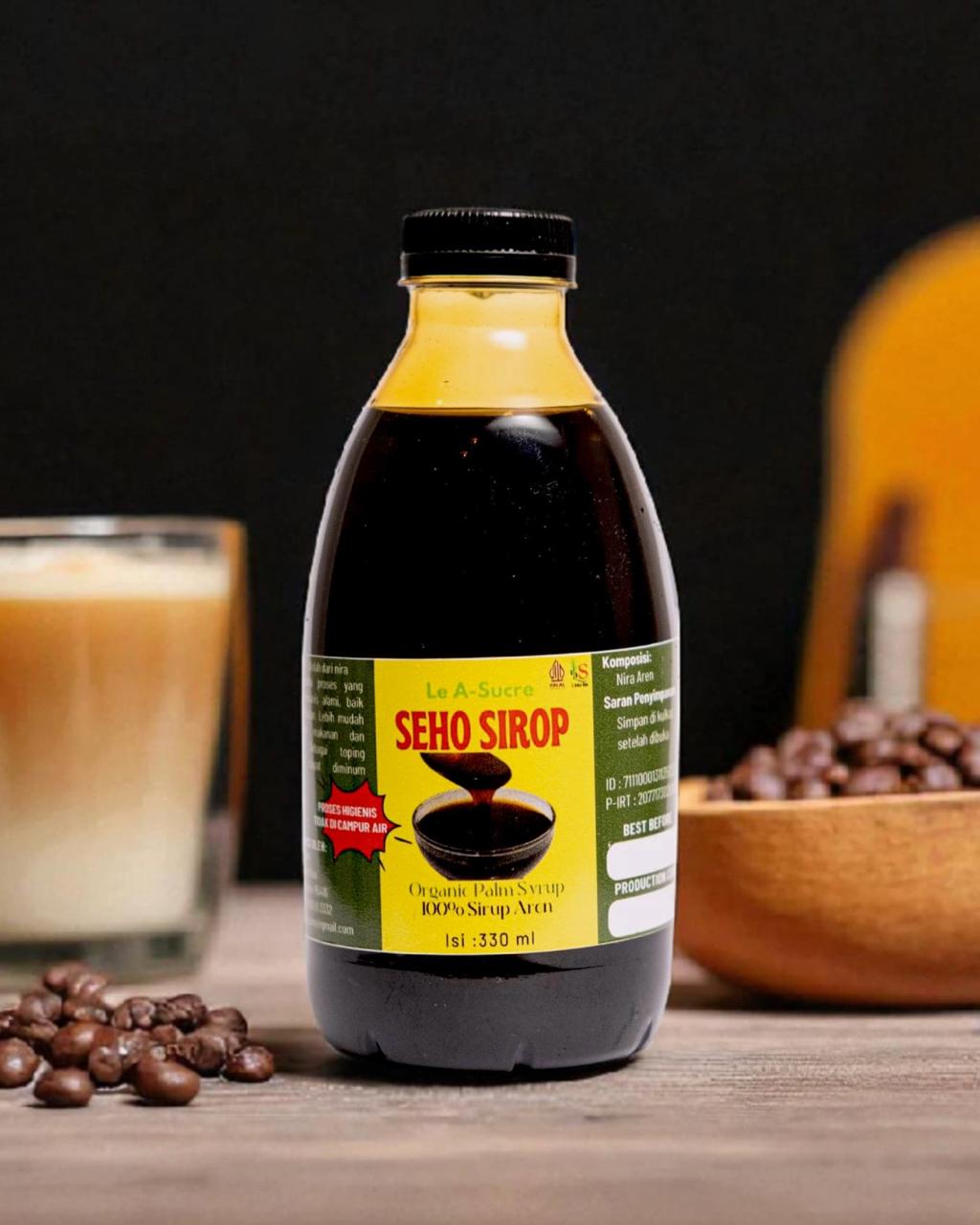
L’Arbre Seho, the palm sugar brand of PT. Rumah Seho Nusantara, offers Seho Sirop made from Arenga palm sap. The syrup can be explored for coffee, milk tea, chocolate drinks, and other beverage applications, subject to recipe testing.
For cafés interested in Indonesian ingredients, it provides an opportunity to develop signature drinks around the distinctive character of Arenga palm syrup.
Conclusion
Creating a memorable palm sugar latte starts with the right ingredient, but success depends on the entire recipe.
Espresso, milk, syrup concentration, sweetness, presentation, and preparation consistency all influence the final drink. In addition, careful costing helps turn a creative concept into a commercially practical menu item.
PT. Rumah Seho Nusantara, through L’Arbre Seho, connects Indonesian Arenga palm sugar with cafés and beverage businesses looking to explore new flavor possibilities.
Start with a small recipe trial, measure every ingredient, and adjust the balance to suit your customers. Once you find the right formula, standardize the preparation and evaluate the drink’s commercial performance.
Your next signature drink could begin with a simple idea: combine great coffee with the distinctive character of Indonesian palm syrup.
Contact Us
PT. Rumah Seho Nusantara L’Arbre Seho — Indonesian Arenga Palm Sugar
-
WhatsApp: +62 896 9888 2428
-
Instagram: @rsn_indonesia
-
Website: www.palmlarbreseho.com
-
Email: export@palmlarbreseho.com