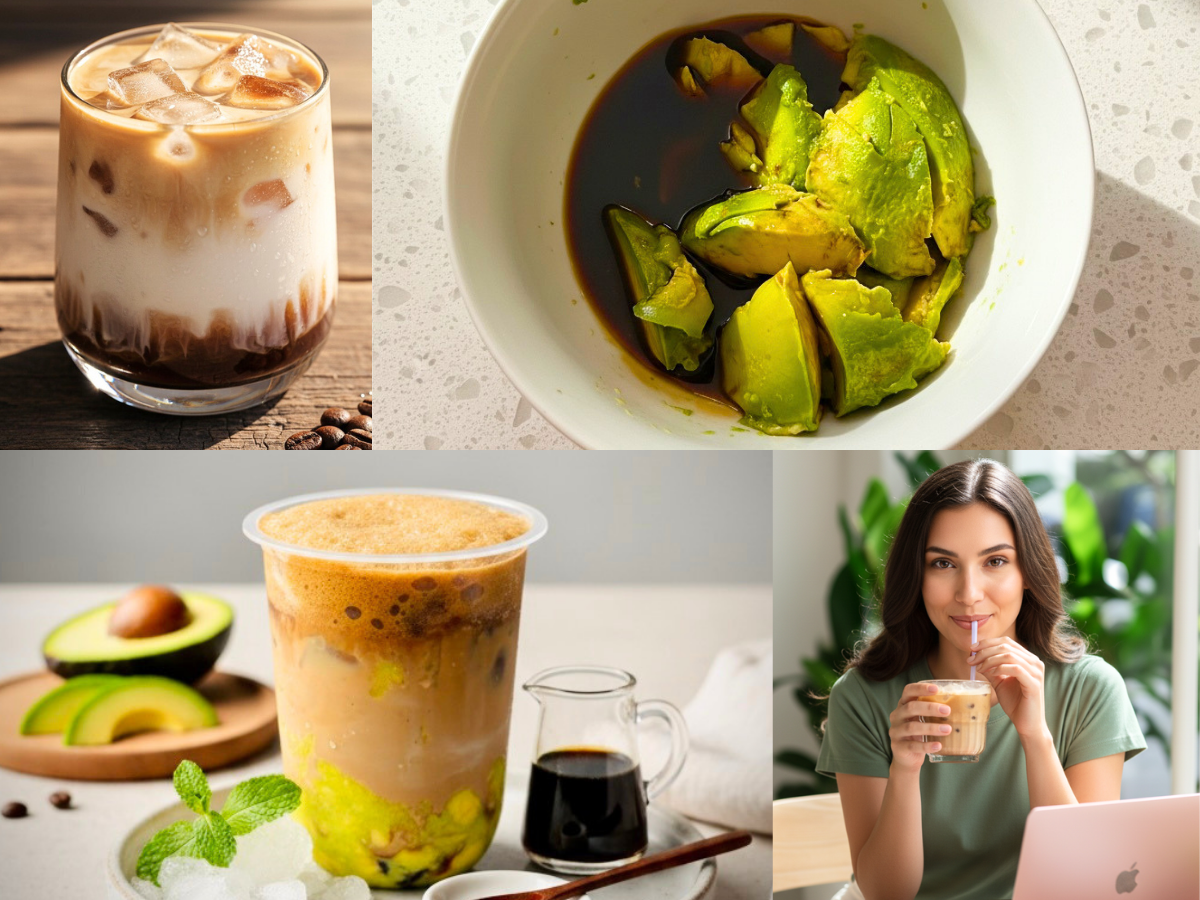
Introduction: Palm Sugar Is No Longer a Traditional Ingredient
For many years, palm sugar was associated primarily with traditional food applications.
However, the role of palm sugar, palm syrup, and arenga syrup has expanded significantly in the modern food and beverage industrial market.
Today, manufacturers are actively seeking ingredients that deliver more than basic sweetness. They require solutions that support stability, efficiency, and product differentiation.
Because of this shift, palm-based sweeteners have become increasingly relevant.
Therefore, understanding the top uses of palm sugar in the food and beverage industrial market becomes essential for companies aiming to stay competitive.
Why Palm Sugar Is Gaining Industrial Demand
Before examining applications, it is important to understand why demand is increasing.
Unlike refined sugar, palm syrup offers a combination of:
- natural origin
- complex flavor profile
- functional performance
- compatibility with clean-label trends
In addition, arenga syrup integrates easily into industrial systems due to its liquid form.
Because of these advantages, manufacturers now view palm sugar as a strategic ingredient rather than a simple sweetener.
Application 1: Beverage Manufacturing (RTD & Functional Drinks)
One of the largest segments in the palm sugar industrial market is beverage production.
Manufacturers incorporate palm syrup into:
- ready-to-drink tea
- coffee beverages
- plant-based drinks
- functional beverages
Unlike liquid sugar, palm syrup contributes both sweetness and flavor complexity.
As a result, beverages achieve a more premium taste profile.
In addition, stable viscosity supports consistent dosing in automated systems.
Therefore, palm syrup improves both product quality and production efficiency.
Application 2: Coffee and Specialty Beverage Chains
The growth of specialty coffee has increased demand for differentiated sweeteners.
Many brands now use arenga syrup as an alternative to standard syrups.
Because palm syrup provides natural caramel notes, it enhances coffee flavor without overpowering it.
As a result, cafés and beverage brands can create signature drinks.
Therefore, palm sugar supports product differentiation in competitive markets.
Application 3: Dairy and Plant-Based Products
Dairy and plant-based products require balanced sweetness and smooth texture.
Manufacturers use palm sugar and palm syrup in:
- flavored milk
- yogurt
- oat milk
- almond milk
Because palm syrup improves mouthfeel, it contributes to a richer texture.
In addition, its natural profile supports clean-label positioning.
Therefore, palm-based sweeteners align with current consumer expectations.
Application 4: Bakery and Confectionery Industry
The bakery sector represents a major palm sugar industrial market application.
Manufacturers use palm sugar in:
- cakes
- cookies
- pastries
- confectionery
Palm sugar enhances caramelization during baking.
As a result, products achieve better color and flavor depth.
In addition, it contributes to a more complex taste profile.
Therefore, bakery products benefit from both functional and sensory improvements.
Application 5: Sauces, Marinades, and Condiments
Sauces require a balance between sweetness, acidity, and texture.
Palm syrup works effectively in:
- barbecue sauces
- marinades
- salad dressings
- savory sauces
Because of its natural composition, it blends well with other ingredients.
In addition, it enhances flavor complexity.
Therefore, palm sugar supports more refined product development in this category.
Application 6: Ice Cream and Frozen Desserts
Frozen products present unique formulation challenges.
Sweeteners influence both freezing behavior and texture.
Palm sugar contributes to:
- smoother mouthfeel
- balanced sweetness
- improved flavor
Because of its composition, it supports premium ice cream formulations.
Therefore, manufacturers can enhance product quality in frozen applications.
Application 7: Nutritional and Functional Products
The demand for functional foods continues to grow.
Manufacturers seek natural ingredients that align with wellness trends.
Arenga syrup fits well into:
- energy bars
- sports drinks
- nutritional beverages
Although still a sugar, its minimal processing supports clean-label positioning.
Therefore, palm sugar becomes a preferred option in this segment.
Application 8: Ready-to-Eat and Processed Foods
Ready-to-eat products require stable and reliable ingredients.
Palm syrup is used in:
- meal components
- snack products
- processed foods
Because of its stability, it maintains performance during storage and distribution.
Therefore, manufacturers benefit from consistent product quality.
Application 9: Beverage Concentrates and Syrup Bases
Concentrates require precise formulation and consistent performance.
Palm syrup is suitable for:
- beverage concentrates
- flavor bases
- syrup blends
Its controlled Brix and viscosity support predictable results.
Therefore, it becomes a reliable ingredient for large-scale production.
Application 10: Premium and Craft Product Development
Premium products require differentiation.
Palm sugar and arenga syrup enable manufacturers to create unique offerings.
These include:
- craft beverages
- artisanal desserts
- specialty sauces
Because of their natural origin and flavor complexity, palm-based sweeteners enhance brand identity.
Therefore, they support premium positioning in competitive markets.
Why Performance Depends on Supplier Quality
Applications alone do not guarantee success.
Ingredient performance depends on supplier capability.
Reliable suppliers ensure:
- consistent moisture levels
- stable concentration
- hygienic production
Without these controls, product quality may vary.
Therefore, selecting the right supplier becomes critical in the palm sugar industrial market.
PT Rumah Seho Nusantara: Supporting Industrial Palm Sugar Applications
At PT Rumah Seho Nusantara, we develop palm-based sweeteners for industrial use.
As a trusted manufacturer of palm sugar, palm syrup, and arenga syrup, we focus on consistency and performance.
We control production from sap collection to final packaging.
We maintain measurable specifications:
Moisture: Max 25%
Fat Content: Max 2.5%
Ash Content: 1.10 – 1.15%
These parameters ensure:
- stable sweetness
- predictable viscosity
- balanced mineral composition
- reduced fermentation risk
Through controlled systems, we support manufacturers across multiple industries.
Conclusion: Palm Sugar as a Strategic Industrial Ingredient
Palm sugar has evolved from a traditional sweetener into a versatile industrial ingredient.
Its applications span beverages, bakery, dairy, and functional products.
Because of its natural origin, functional benefits, and flavor complexity, palm syrup provides clear advantages over standard sweeteners.
Therefore, understanding the top uses of palm sugar in the food and beverage industrial market helps manufacturers unlock new opportunities.
In a competitive landscape, palm-based sweeteners offer both performance and differentiation.
Contact Us
For more information about our palm sugar, palm syrup, and arenga syrup:
🌐 Website: www.palmlarbreseho.com
📞 Phone / WhatsApp: +62 896 9888 2428