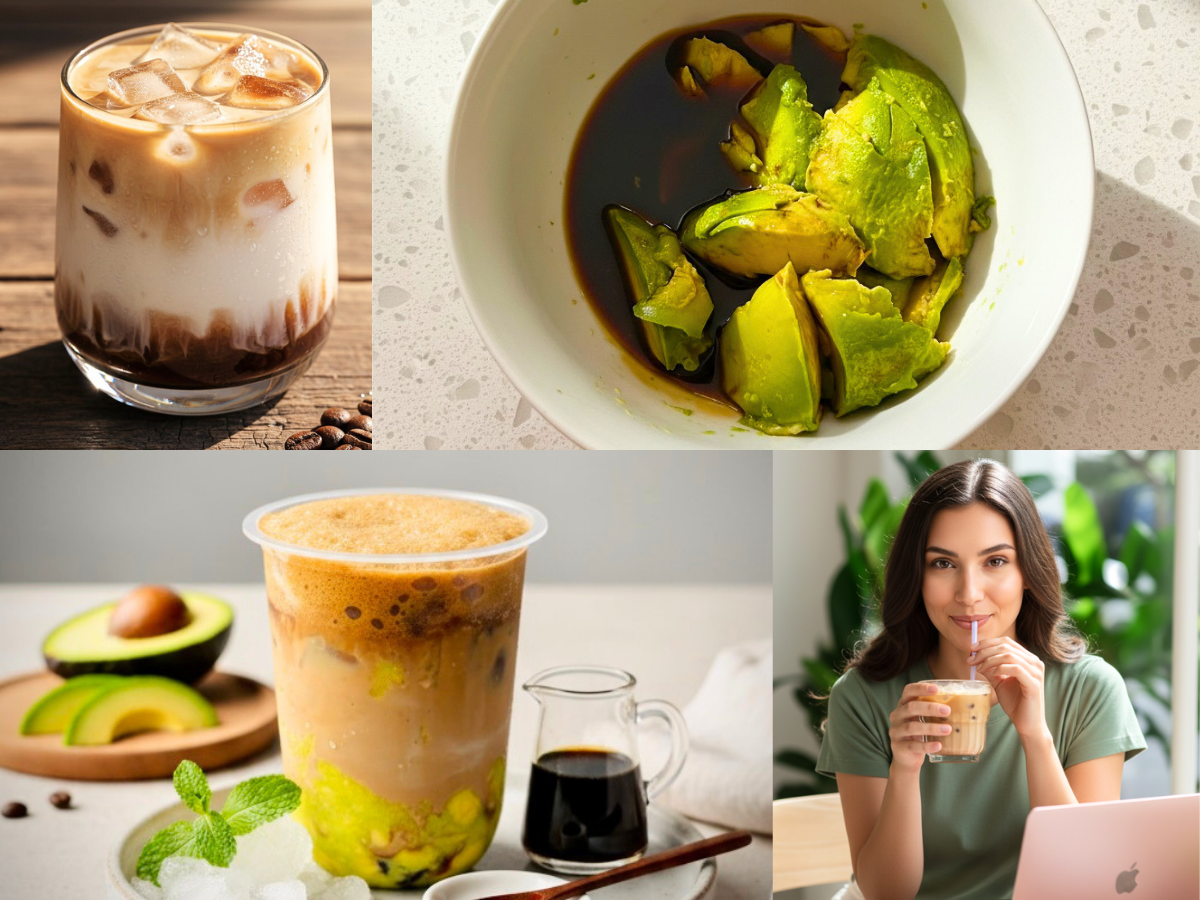
How to Choose a Palm Syrup Supplier for Your Coffee Shop
Palm syrup can help coffee shops create distinctive beverages, from signature palm sugar lattes to iced coffee and milk-based drinks. However, choosing the right palm syrup supplier for your coffee shop involves more than comparing prices. The quality of your ingredients affects beverage flavor, preparation efficiency, customer satisfaction, and profit margins.
A supplier may offer an attractive price, but can they maintain consistent quality and deliver products when your business needs them? Likewise, does their syrup work well with your coffee recipes, or does it require constant adjustments?
For coffee shop owners, the right supplier should provide more than an ingredient. They should support consistent beverage quality and reliable business operations. Here are seven factors to consider before choosing your palm syrup supplier.
1. Check the Quality and Origin of the Palm Syrup
Start by understanding what the supplier actually offers. Not every palm syrup has the same raw material, production process, flavor profile, or concentration.
For example, Arenga palm syrup is made from the sap of the Arenga pinnata palm, commonly known as the sugar palm. Its characteristic caramel-like notes can complement roasted coffee, milk, and other beverage ingredients.
However, the origin alone does not guarantee quality. You should also ask how the supplier processes the sap, controls product quality, and maintains hygiene throughout production.
In addition, request a product specification sheet when available. Information such as Brix, appearance, flavor characteristics, shelf life, and storage requirements can help you evaluate whether the syrup suits your coffee shop’s needs.
A reliable supplier should be able to explain the product clearly rather than relying only on general descriptions such as premium or natural.
2. Evaluate Flavor Consistency Between Batches
Consistency is essential when customers expect their favorite coffee to taste the same every time.
Imagine that your signature palm sugar latte becomes one of your best-selling drinks. Customers return because they enjoy its balance of espresso, milk, and palm syrup. However, if the syrup tastes noticeably different in the next delivery, your baristas may need to adjust the recipe. As a result, the drink could lose the flavor customers recognize.
Therefore, ask how the supplier monitors consistency between production batches. You can also request samples from different batches when possible and compare their sweetness, aroma, color, and performance in your recipes.
Brix measurements can help assess soluble solids concentration, although Brix alone does not determine flavor or overall quality. For this reason, combine specification checks with practical beverage testing.
Before committing to regular orders, test the syrup in your actual menu. Evaluate it in espresso-based drinks, iced coffee, and milk beverages if those applications are relevant to your business.
3. Test How the Syrup Performs in Coffee
A palm syrup may taste good on its own but perform differently when combined with espresso, milk, ice, or other ingredients.
For this reason, conduct a recipe trial before choosing a long-term supplier. Pay attention to how the syrup blends into cold and hot beverages, how its sweetness interacts with coffee bitterness, and whether its flavor remains noticeable after adding milk.
Liquid syrup can simplify measuring and mixing compared with solid sweeteners that require dissolution. Nevertheless, viscosity and concentration can affect how quickly the syrup mixes, especially in iced drinks.
During testing, use a consistent recipe and measure each ingredient carefully. Compare several syrup quantities to find the right balance without overpowering the coffee.
Moreover, evaluate preparation time. A good ingredient should fit your baristas’ workflow, particularly during busy hours when speed and consistency matter.
Ultimately, the best palm syrup for your coffee shop is the one that delivers the flavor your customers enjoy while supporting efficient preparation.
4. Compare Price Based on Cost per Serving
Choosing the cheapest supplier does not always produce the best financial outcome. Instead, compare the cost of using each syrup in your actual beverage recipes.
Consider two hypothetical suppliers. Supplier A offers syrup at a lower price per kilogram, while Supplier B charges more but provides a more concentrated product. If the two syrups require different quantities to achieve the same sweetness, their cost per serving may differ from what the purchase price suggests.
Calculate the cost per serving using this formula:
Cost per serving = Syrup price per unit of weight or volume × Quantity used per drink
For example, if your syrup costs Rp60,000 per liter and you use 20 ml per drink, the syrup cost is Rp1,200 per serving.
This calculation helps you compare suppliers using the same recipe requirements. You should also account for shipping, packaging, storage, product waste, and minimum order quantities when evaluating the total cost.
In addition, compare the selling price of your beverage with its ingredient cost. A well-chosen syrup should support your desired product quality and pricing strategy without unnecessarily reducing your gross margin.
5. Assess Supply Reliability and Order Flexibility
A coffee shop cannot afford to run out of a key ingredient just before a busy weekend. Even a popular beverage can become unavailable when the supplier cannot fulfill an order on time.
Before selecting a palm syrup supplier, ask about production capacity, typical lead times, stock availability, minimum order quantities, and delivery arrangements.
For smaller coffee shops, flexible ordering can be especially important. You may not need a large shipment every month, particularly when introducing a new drink or testing customer demand.
Meanwhile, businesses with several outlets may need larger quantities and a more structured delivery schedule. In either case, the supplier should communicate clearly about availability and potential delays.
It is also useful to understand how the supplier handles changes in demand. If your signature drink becomes popular, can they accommodate higher order volumes within a reasonable timeframe?
A dependable supplier helps you plan purchasing, manage inventory, and maintain continuity across your menu.
6. Review Food Safety, Documentation, and Shelf Life
Food safety and product documentation should be part of your supplier evaluation. Ask for relevant product specifications, available quality documents, storage instructions, and information about shelf life.
Where applicable, review documentation related to the supplier’s production and food safety requirements. Also, verify any certification claims and confirm that the documents apply to the specific product you intend to purchase.
Shelf life matters because coffee shops must balance inventory availability with product freshness and storage capacity. A longer stated shelf life may reduce the pressure to reorder frequently, but you should still follow the manufacturer’s storage instructions and any guidance for the product after opening.
Furthermore, examine the packaging. It should protect the syrup during transportation and allow your team to dispense and store it conveniently.
By checking these details before purchasing, you can reduce uncertainty and make a more informed decision about product suitability.
7. Choose a Supplier That Understands Your Business Needs
The best supplier relationship extends beyond placing an order. A supplier who understands your applications can help you evaluate product suitability, review specifications, and identify practical ordering options.
For example, a coffee shop developing a new signature drink may need a sample for recipe trials. A growing café chain may prioritize batch consistency, larger packaging formats, and predictable delivery schedules.
Therefore, explain your requirements clearly. Tell the supplier how you plan to use the syrup, your approximate monthly consumption, your preferred packaging, and your expected purchasing frequency.
Pay attention to how the supplier responds. Clear communication, accurate product information, and realistic commitments are valuable indicators of a professional business relationship.
Although no supplier can eliminate every operational risk, a transparent and responsive partner can make ingredient purchasing easier to manage.
Why Consider Indonesian Arenga Palm Syrup for Your Coffee Shop?
Indonesian Arenga palm syrup offers coffee shops an opportunity to explore distinctive flavors rooted in local agricultural ingredients. Its caramel-like profile can complement espresso, milk, chocolate, and selected specialty beverages.
For businesses seeking a differentiated menu, this ingredient can become part of a signature drink concept rather than simply another sweetener. However, its suitability depends on recipe testing, product specifications, cost per serving, and customer preferences.
L’Arbre Seho, a brand of PT. Rumah Seho Nusantara, offers Seho Sirop made from Arenga palm sap. Coffee shops and beverage businesses can evaluate the syrup through sample testing and practical cost calculations before deciding whether it meets their requirements.
As a manufacturer and exporter of Indonesian palm sugar, PT. Rumah Seho Nusantara focuses on connecting local Arenga palm products with business opportunities in wider markets. For prospective buyers, the important next step is to assess the product against their own quality, operational, and commercial standards.
Conclusion
Choosing the right palm syrup supplier for your coffee shop requires a structured evaluation of product quality, batch consistency, beverage performance, cost per serving, supply reliability, documentation, and communication. Rather than choosing based on price alone, test the syrup in your actual recipes and compare its overall value to your business.
PT. Rumah Seho Nusantara, through its L’Arbre Seho brand, offers Seho Sirop made from Arenga palm sap for businesses exploring Indonesian palm syrup. By selecting ingredients that match your menu requirements and working with a reliable supplier, you can develop distinctive beverages while maintaining greater control over quality and operating costs.
Contact Us
PT. Rumah Seho Nusantara
-
Website: www.palmlarbreseho.com
-
Email: export@palmlarbreseho.com
-
WhatsApp: +62 896 9888 2428
-
Instagram: @rsn_indonesia
Contact us to learn more about Seho Sirop and explore its potential applications for your coffee shop or beverage business.